This Ramadan is a wonderful opportunity to embrace eco-friendly habits or deepen your existing commitment to sustainability by saving fruit and vegetable scraps, eggshells, tea bags, and coffee grounds for composting.
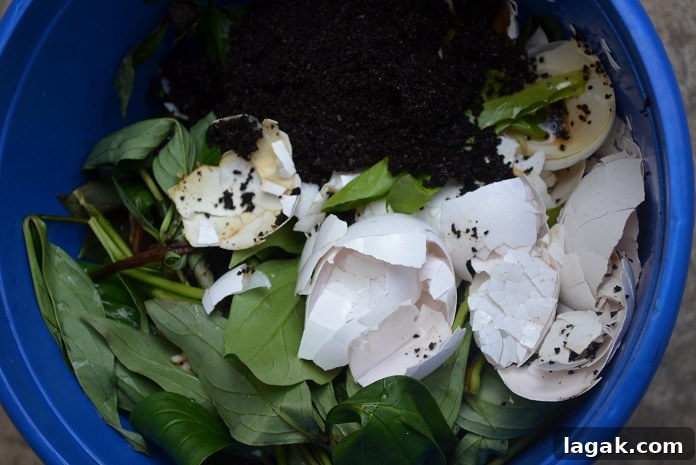
A small bucket with a tight-fitting lid makes collecting scraps simple and tidy. Keep it in a convenient spot so you can easily transfer contents to your outdoor compost bin. If you don’t have a dedicated bin, you can chop or shred scraps finely and mix them into the soil when planting.
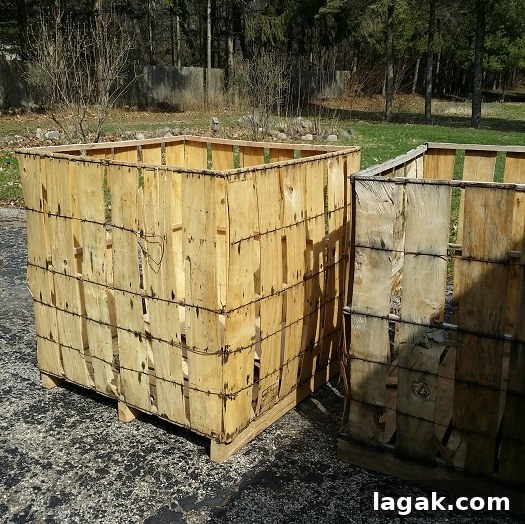
Here’s our bin — it has ventilation openings, but as the pile breaks down and compacts, those gaps become less noticeable. For now it handles kitchen scraps and bulkier yard waste like leaves, small branches, and evergreen trimmings without issue.
You don’t need a bin as large as ours unless you plan to produce a lot of organic vegetables and fruit. We aim to grow an extensive garden, so we require substantial amounts of finished compost. Buying that volume would be costly, which makes home composting a practical and satisfying solution.
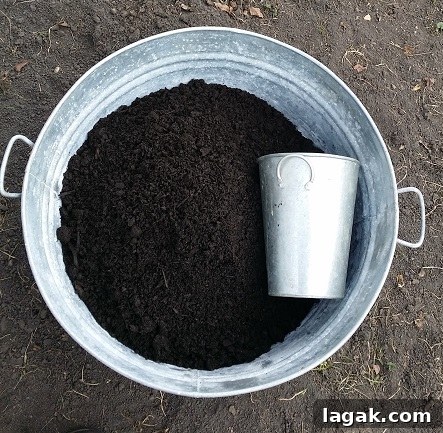
The finished product is rich, dark, and crumbly — often called “black gold.” Good compost is used for starting seeds, repotting plants, and amending garden soil to boost nutrition and structure. It’s a remarkable form of recycling: the food and yard waste you save eventually become nutrient-rich material that supports healthy plant growth.
There’s something deeply satisfying about knowing that leftovers from a banana smoothie, a salad, or a frittata will be returned to the earth and later nourish the soil that grows the food we eat again. It’s a beautiful, circular process that connects daily cooking and gardening in a meaningful way.
Ramadan is an especially fitting time to appreciate and practice this gentle cycle of renewal.