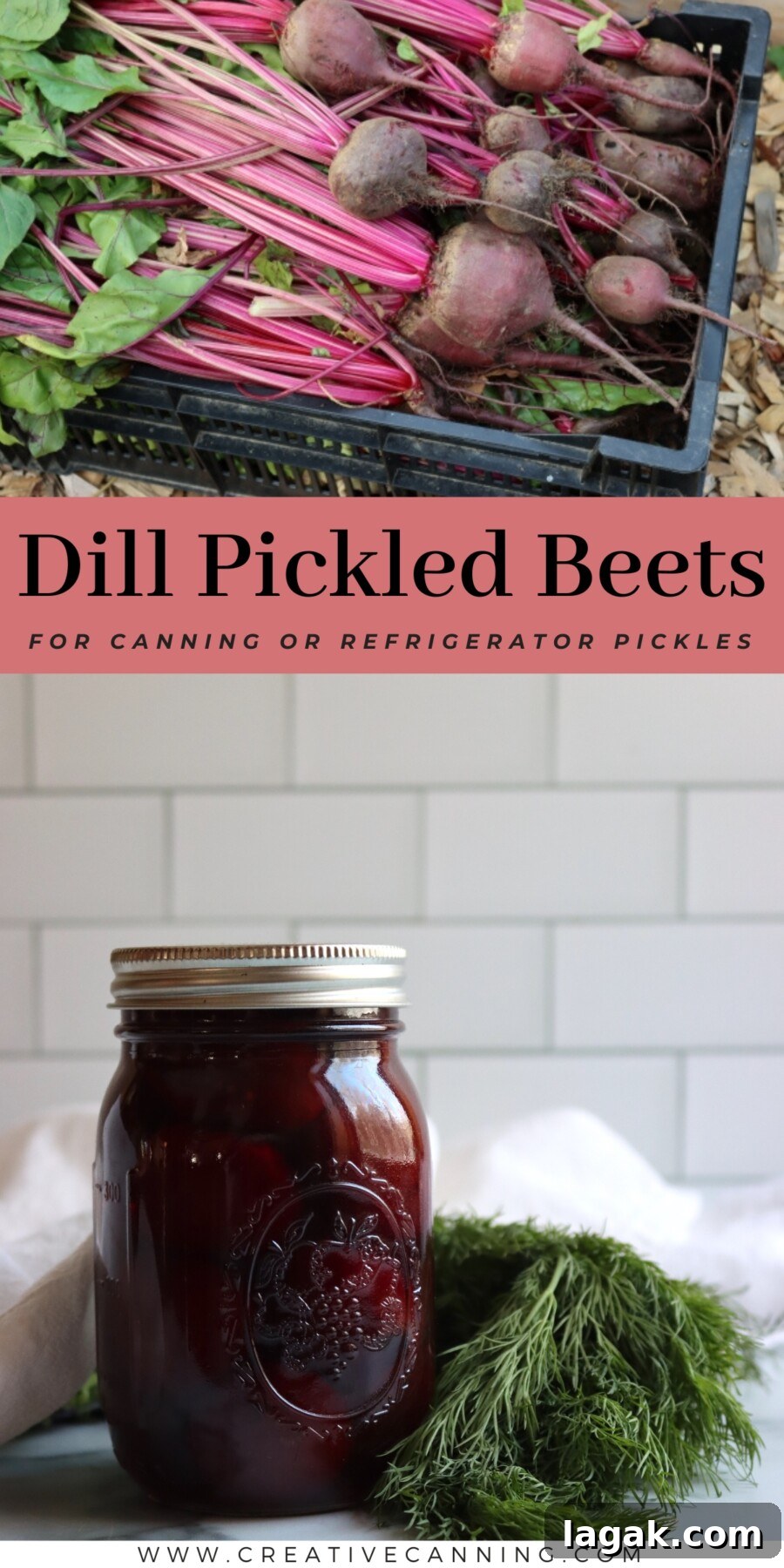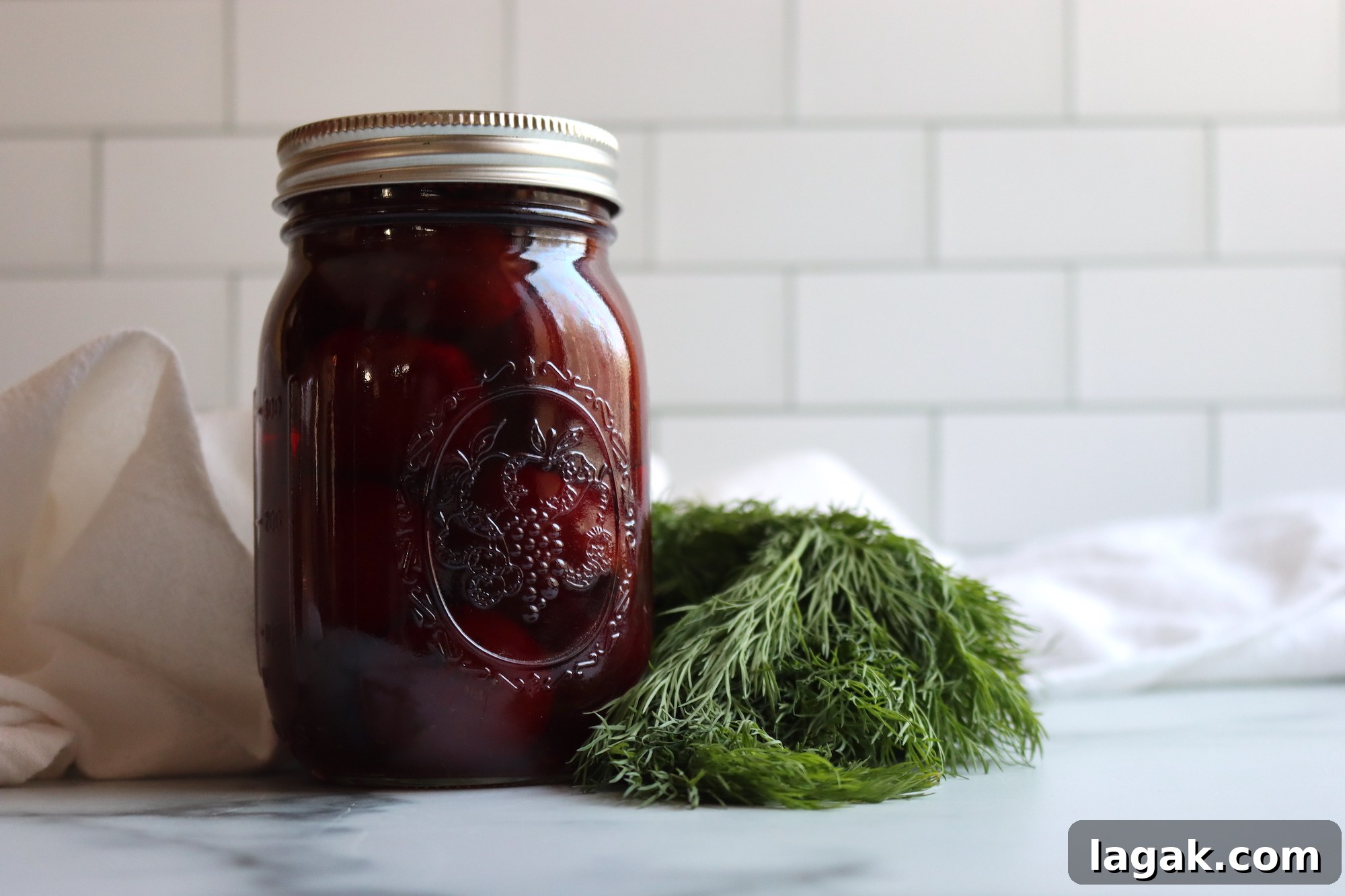
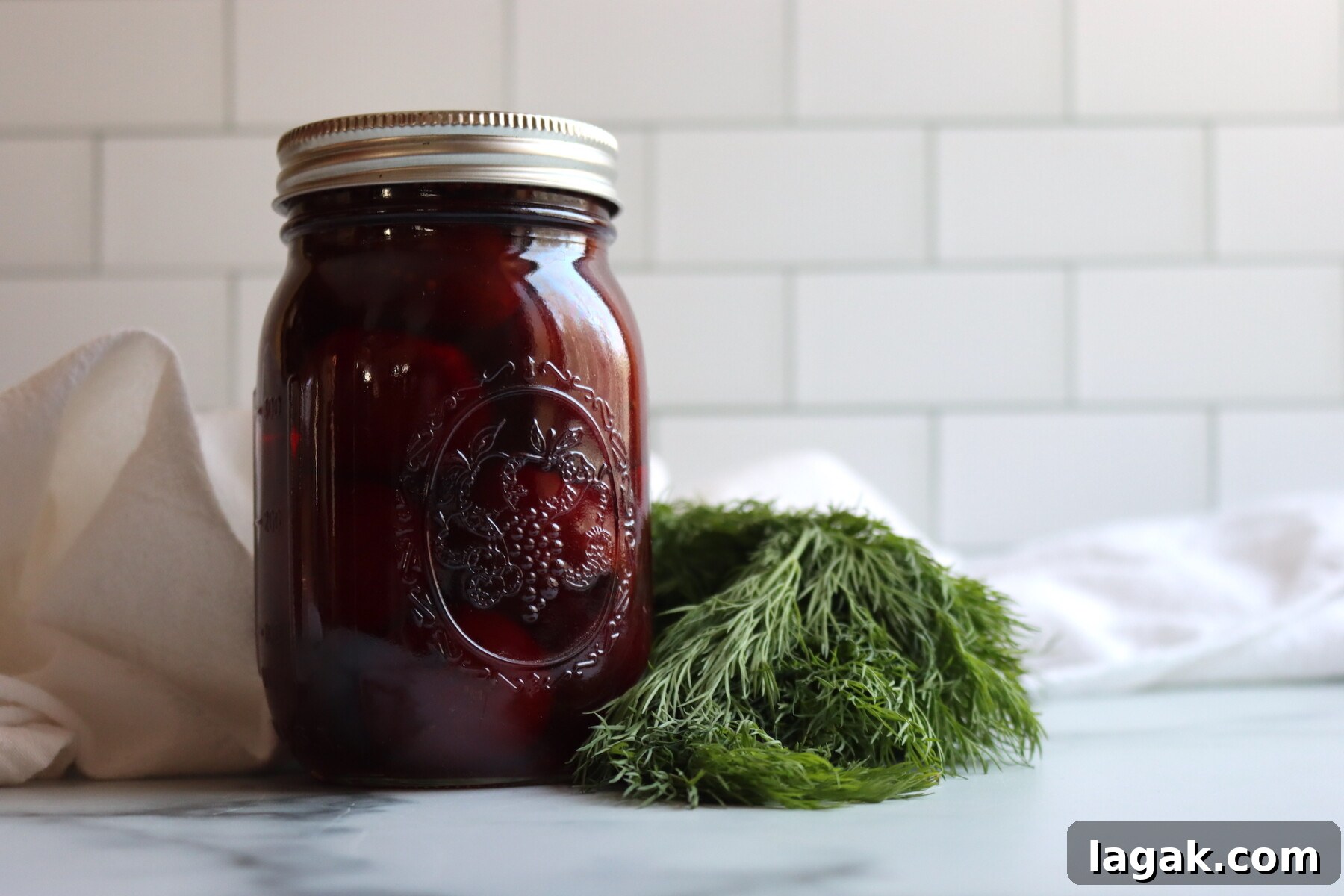
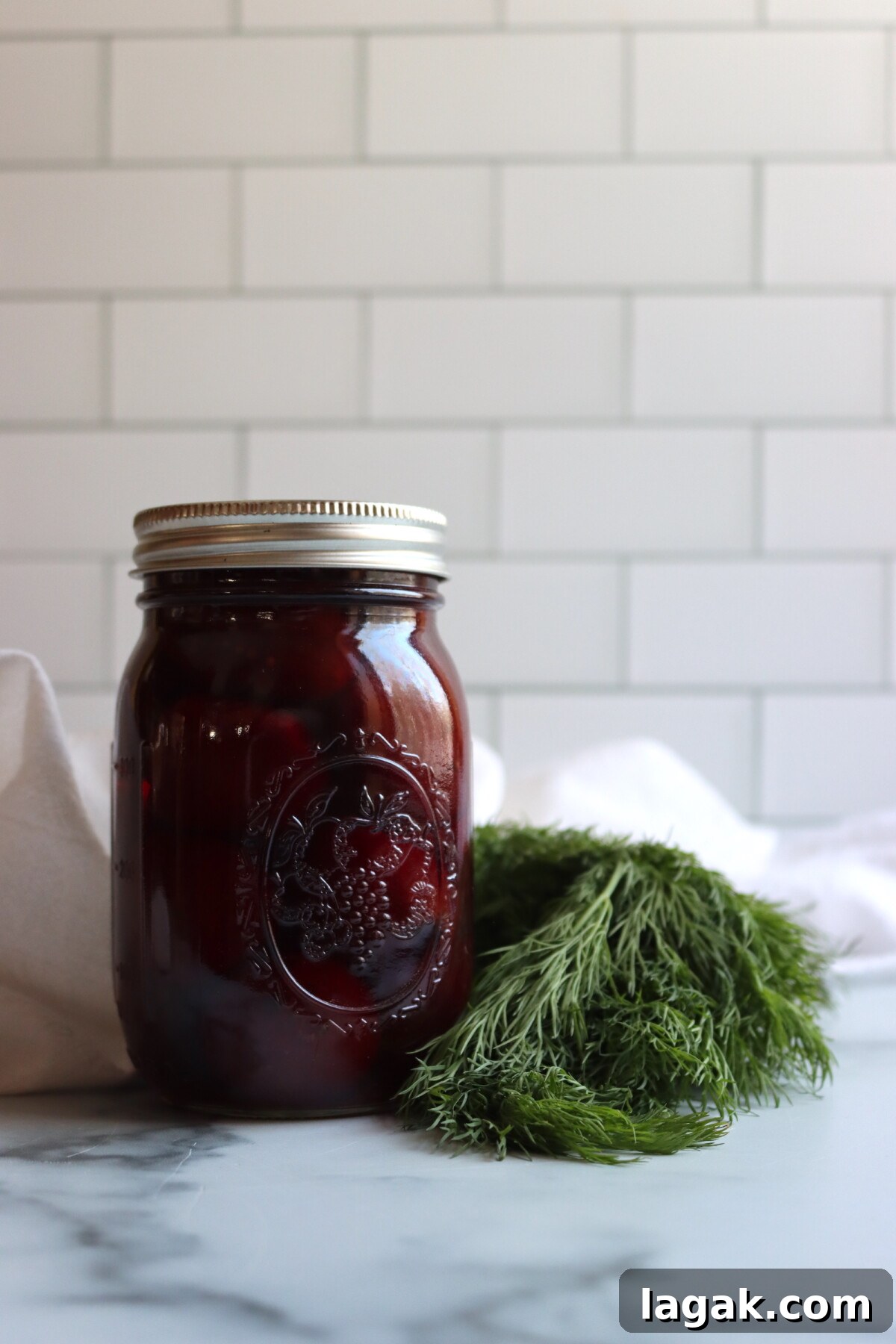
Dill Pickled Beets are a colorful, sweet-tangy pickle made with tender beets, vinegar brine, dill weed, and dill seed. They have the earthy sweetness of classic pickled beets with the familiar flavor of a traditional dill pickle.
This recipe has been reviewed for safety and accuracy by a Master Food Preserver certified through Cornell Cooperative Extension.
This small-batch pickled beet recipe is adapted from Put ’Em Up! by Sherri Vinton. It is a vinegar pickle, not a fermented pickle, and it can be made either as a short-term refrigerator pickle or processed in a boiling-water canner for shelf-stable pantry storage.
Why You’ll Love This Dill Pickled Beets Recipe

These dill pickled beets sit right between traditional pickled beets and classic dill pickles. The beets remain the star, but dill seed adds that old-fashioned deli pickle flavor that tastes fresh and unexpected when paired with earthy, sweet beets instead of cucumbers.
This is also a practical preserving recipe for a day when you do not want a large canning project. You cook the beets, make a simple hot brine, pack the jars, and end up with a few pints that can brighten salads, sandwiches, potato dishes, grain bowls, and simple lunch plates.
A Quick Look at the Recipe
- Recipe Name: Dill Pickled Beets
- Recipe Type: Vegetable Pickling Recipe
- Canning Method: Water Bath Canning
- Prep and Cook Time: 60 to 90 minutes
- Canning Time: 30 minutes, adjusted for altitude as needed
- Yield: 3 pints
- Jar Sizes: Quarter-pint, half-pint, or pint jars
- Headspace: 1/2 inch
- Ingredients Overview: Beets, vinegar, water, sugar, salt, dill weed, and dill seed
- Safe Canning Recipe Source: Based on pickled beet guidance from the University of Georgia Extension
- Difficulty: Easy. The main work is cooking, peeling, and slicing the beets before packing them into jars.
- Similar Recipes: The method is similar to other pickled vegetables, including pickled carrots, pickled cauliflower, pickled Brussels sprouts, and dilly beans.
Ingredients for Pickled Beets with Dill
The ingredient list is simple, but every part of this dill pickled beets recipe matters. The beets bring natural sweetness and color, the vinegar gives the brine its bright acidity, and the dill weed and dill seed add the classic pickle flavor. For safe canning, keep the vinegar, water, sugar, and salt proportions as written.
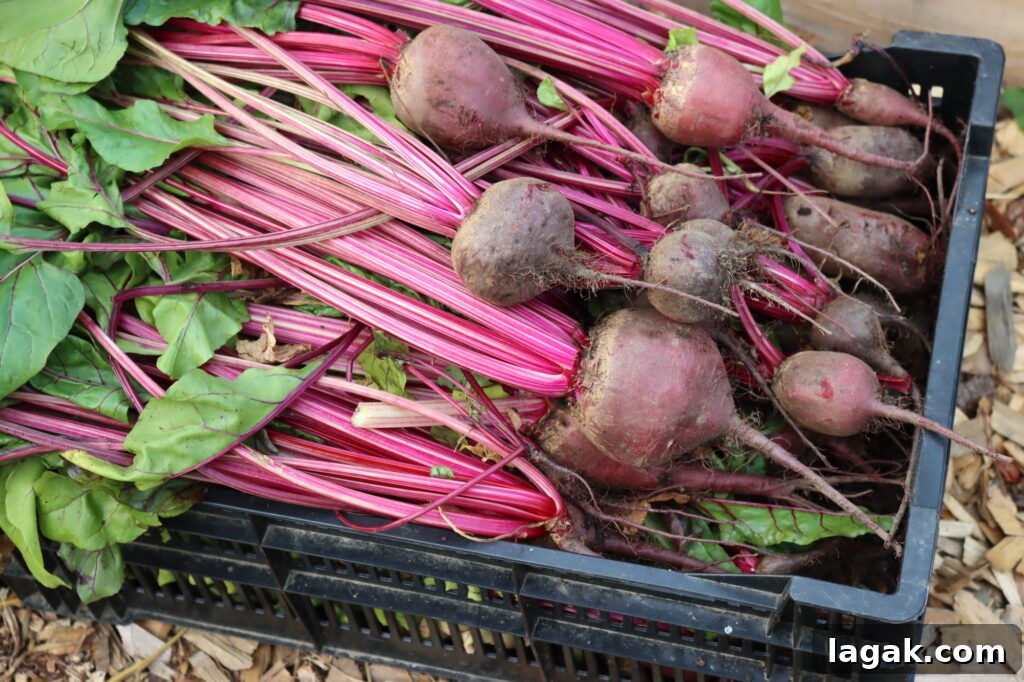
- Beets: Choose small to medium beets that are firm, sweet, and fresh. Very large beets can sometimes be woody or stringy. The beets are cooked until nearly tender before packing so they hold their shape and finish with a pleasant texture.
- Distilled White Vinegar: Vinegar provides the acidity needed for this vinegar-based pickle. Use vinegar standardized to 5% acidity. Cider vinegar may be used if it is also 5% acidity.
- Water: Water balances the sharpness of the vinegar. Do not add extra water, because changing the vinegar-to-water ratio can affect the safety of the finished pickle.
- Sugar: Sugar softens the bite of the vinegar and highlights the natural sweetness of the beets without making the finished pickle overly sweet.
- Salt: Salt improves the flavor of the brine and gives the beets a more complete pickled taste.
- Fresh Dill Weed: Fresh dill adds a light herbal aroma. It is nice to include, but it can be skipped if fresh dill is not available.
- Dill Seed: Dill seed gives the strongest classic dill pickle flavor and is the most important dill element in this recipe.
If fresh dill weed is out of season, you may use dried dill for a similar flavor direction, or simply leave it out. The dill seed carries most of the pickle character. You may adjust dry spices slightly to suit your taste, but do not change the brine proportions.
How to Make Pickled Beets
To make dill pickled beets, cook the beets until nearly tender, peel and slice them, prepare a hot vinegar brine, and pack everything into clean jars. Once packed, the jars can be refrigerated for short-term storage or processed in a boiling-water canner for pantry storage.
Preparing the Beets
Begin by cooking the beets until they are almost tender. You can boil them in water or roast them in the oven. Boiling is simple and quick, while roasting can concentrate the beet flavor slightly. Either method works well for this pickled beet recipe.
The goal is to cook the beets enough that they slice cleanly, but not so much that they become soft and mushy in the jar. Once cooked, allow them to cool just until they are comfortable to handle. Slip off the skins, trim the root and stem ends, cut the beets in half, and slice them into 1/4-inch slices. Very small beets, about 1 to 1 1/2 inches across, may be left whole.
Making the Brine
While the beets cool, combine the vinegar, water, sugar, and salt in a nonreactive saucepan. Bring the mixture to a boil, stirring until the sugar and salt dissolve completely. Once the brine reaches a boil and everything is dissolved, remove it from the heat. This is a quick brine, so it does not need a long simmer.
Preparing Jars and Getting Set Up
If you plan to can the jars, prepare a boiling-water canner while you work. Wash the jars and keep them hot so they are ready for hot packing. Have lids and bands ready before you begin filling the jars. If you are making refrigerator pickles, use clean jars, but you do not need to heat the jars or prepare a canner.
Packing the Jars
Pack the sliced beets into clean, hot pint jars. Fill the jars snugly, but do not force the slices in too tightly. The brine needs to move around the beets so the flavor distributes evenly. Leave about 1 inch of space above the solids before adding brine, which will help you finish with the correct 1/2-inch headspace.
Divide the fresh dill weed and dill seed evenly between the jars. Tuck the dill among the beet slices instead of letting it sit in one clump at the top.
Adding the Hot Brine and Setting Headspace
Pour the hot brine over the beets, making sure the slices are covered. Leave 1/2 inch of headspace at the top of each jar. Use a bubble remover or a nonmetal utensil to release trapped air, then check the headspace again and add more brine if needed. Wipe the rims clean, apply lids, and tighten the bands to fingertip-tight.
Choosing Your Preservation Method
For refrigerator dill pickled beets, let the jars cool, cover them, and refrigerate for up to 3 weeks. For shelf-stable pickled beets, process the jars in a boiling-water canner for the full recommended time, adjusting for altitude.
Canning Pickled Beets with Dill
Prepare a boiling-water canner and heat the jars. Once the beets are packed with dill and covered with hot brine, confirm that each jar has 1/2 inch of headspace. Remove air bubbles, adjust the liquid level if needed, wipe the jar rims, apply lids, and tighten bands to fingertip-tight.
Process jars in a boiling-water canner for 30 minutes at elevations under 1,000 feet, adjusting the time for altitude as listed below.
When processing is complete, turn off the heat, remove the canner lid, and let the jars rest in the hot water for 5 minutes. Remove the jars and let them cool undisturbed for 24 hours. Check the seals, label the jars, and store sealed jars in a cool, dark place.
If you are making these as refrigerator pickles, let the jars cool, cover them, and refrigerate for up to 3 weeks.
Altitude Adjustments
Use the following altitude adjustments for water bath canning Dill Pickled Beets:
- Under 1,000 feet in elevation: 30 minutes for pints and quarts.
- 1,001 to 3,000 feet in elevation: 35 minutes for pints and quarts.
- 3,001 to 6,000 feet in elevation: 40 minutes for pints and quarts.
- Above 6,001 feet in elevation: 45 minutes for pints and quarts.
Serving Ideas
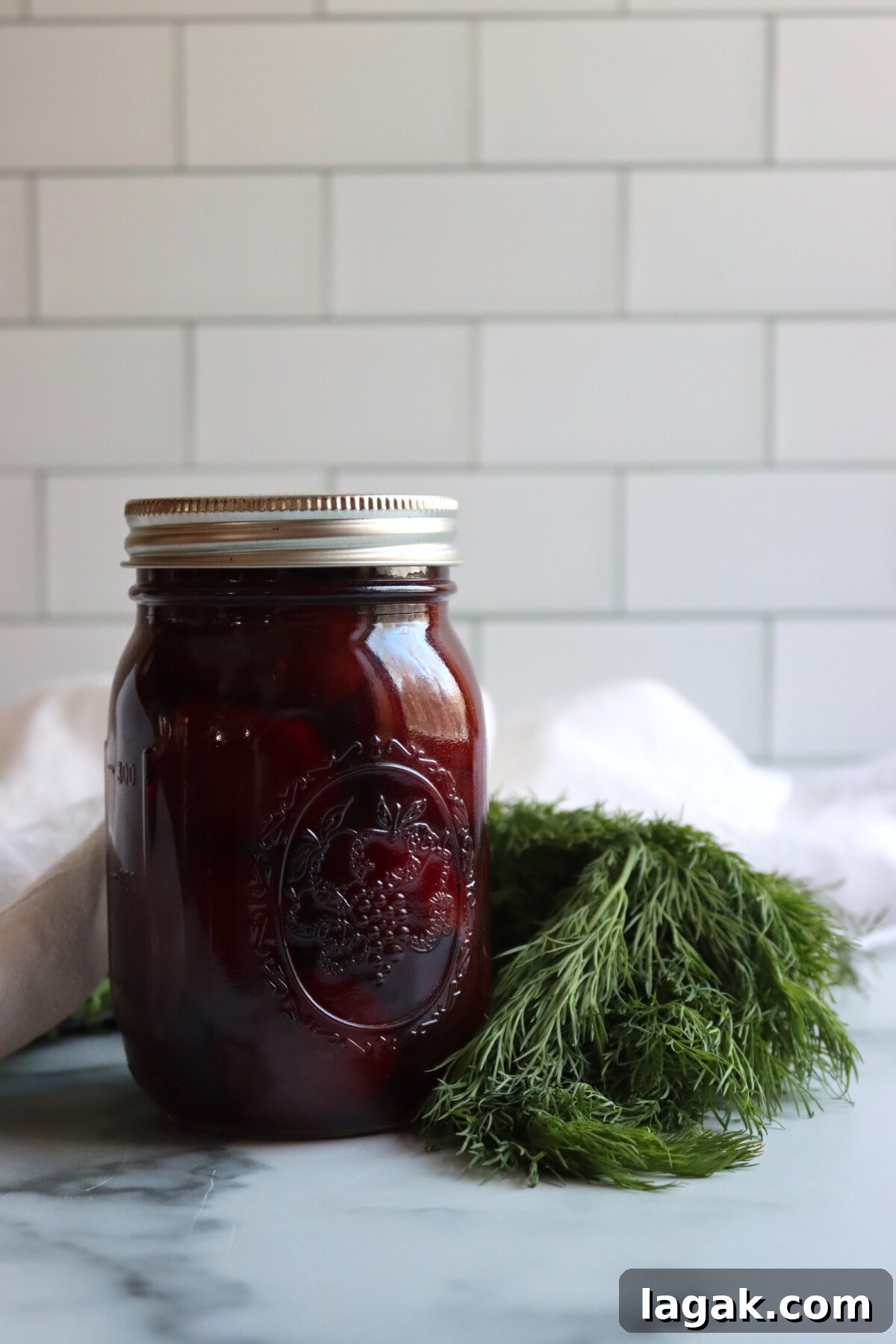
Dill pickled beets are especially good with potato-based meals, including potato pancakes, roasted potatoes, hash, and potato salad. They also work well chopped into egg salad, spooned into grain bowls, or served beside richer foods with a creamy dressing or sour cream.
For a quick lunch, add a few slices to a plate with a sandwich, hard-boiled eggs, cheese, or leftovers. The sweet-tangy brine makes simple meals taste brighter and more complete.
Pickled Beet FAQs
Using both gives the fullest flavor, but dill seed is the stronger classic pickle note. If you only use one, keep the dill seed.
They taste good fairly quickly, but the flavor improves after a few days. For canned jars, letting them sit for at least a week gives the brine time to mellow and blend with the beets.
Yes. Boiling and roasting both work. Roasting may deepen the flavor slightly, while boiling is faster and easier for cleanup.
Vegetable Pickling Recipes
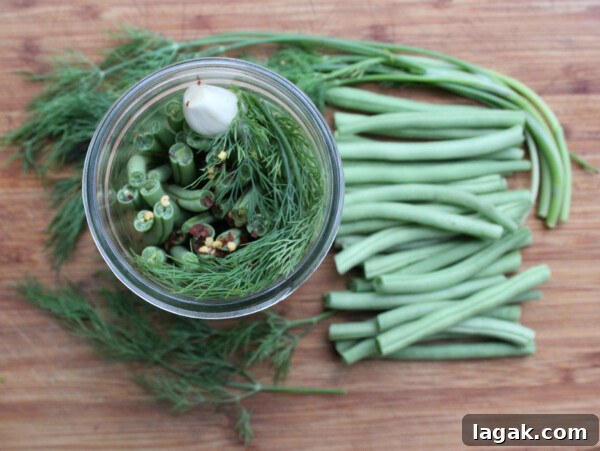
Pickled Dilly Beans
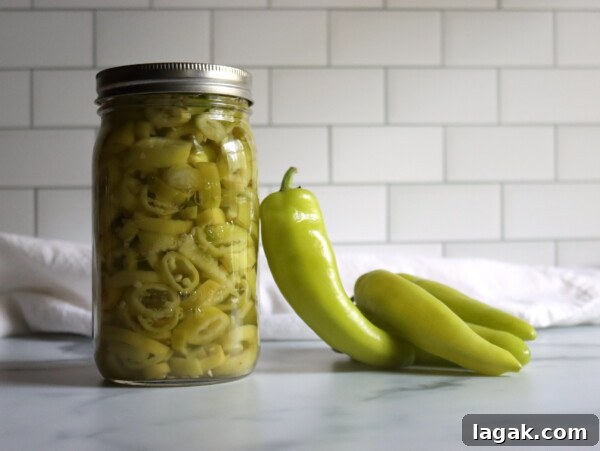
Pickled Banana Peppers
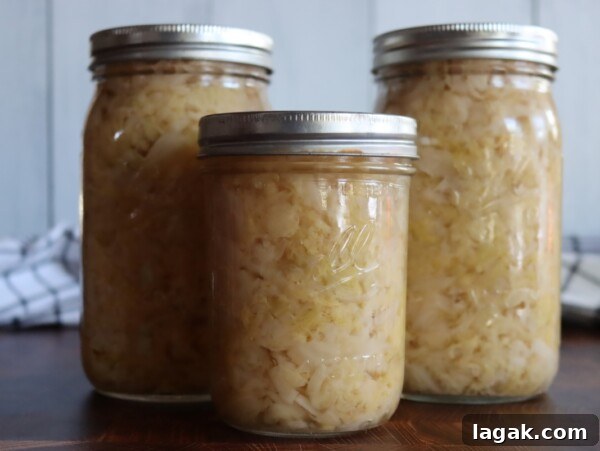
Canning Sauerkraut
If you tried this Dill Pickled Beets Recipe, leave a star rating and share what you thought in the comments.
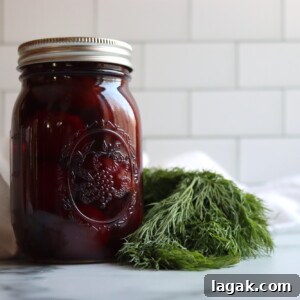
24 servings, makes 3 pints
Dill Pickled Beets
Equipment
-
Water Bath Canner
Ingredients
- 2 lbs beets
- 1 cup white vinegar, or cider vinegar, 5% acidity
- 1/2 cup water
- 1/2 cup sugar
- 1 1/2 tsp salt
- 1/4 cup fresh dill weed
- 3 tsp dill seed, 1 tsp per pint jar
Instructions
-
Cook the beets by boiling or roasting until nearly tender. Timing varies with size and age, but usually takes 20 to 30 minutes.
-
Cool slightly, slip off the skins, and trim the stem and root ends.
-
Cut the beets in half and slice them into 1/4-inch slices. Small beets under 1 1/2 inches in diameter may be left whole.
-
Combine the vinegar, water, sugar, and salt in a nonreactive saucepan. Bring to a boil, stirring until dissolved, then remove from the heat.
-
Pack the prepared beets into clean, hot jars. Divide the dill weed and dill seed among the jars. Leave about 1 inch of headspace above the solids.
-
Pour the hot brine over the beets, covering them completely and leaving 1/2 inch final headspace. Remove air bubbles, wipe rims, apply lids, and tighten bands to fingertip-tight.
-
For water bath canning, process jars in a boiling-water canner for 30 minutes, adjusting for altitude. Turn off the heat, remove the lid, and let jars rest for 5 minutes before removing. Cool for 24 hours, check seals, and store sealed jars in a cool, dark place.
-
For refrigerator pickles, let the jars cool, cover, and refrigerate for up to 3 weeks.
Notes
Altitude Adjustments
Use 30 minutes under 1,000 feet, 35 minutes from 1,001 to 3,000 feet, 40 minutes from 3,001 to 6,000 feet, and 45 minutes above 6,001 feet.
Nutrition
Carbohydrates: 8g,
Protein: 1g,
Sodium: 177mg
Nutrition information is automatically calculated and should be used as an approximation.
Root Vegetable Canning Recipes
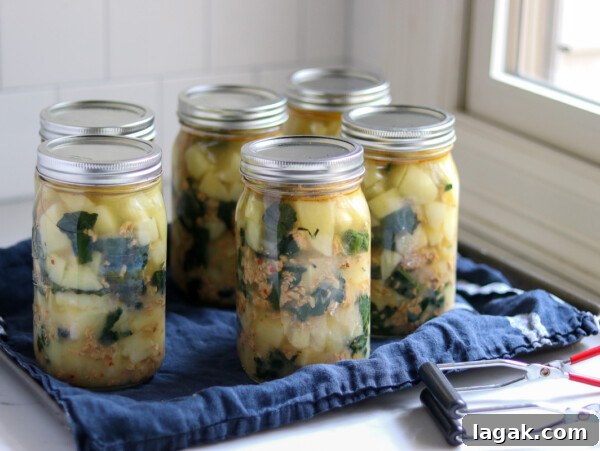
Canning Sausage Potato and Kale Soup
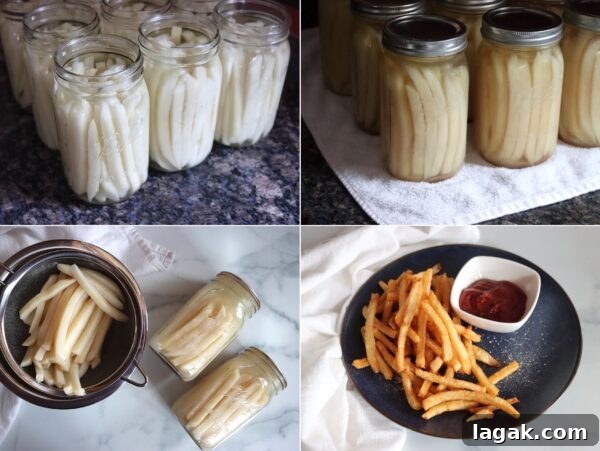
Canning French Fries
Canning Beef Pot Pie Filling
Find the Perfect Recipe
Searching for another preserving recipe? Use your favorite recipe search tools to find more canning, pickling, and root vegetable preserving ideas.