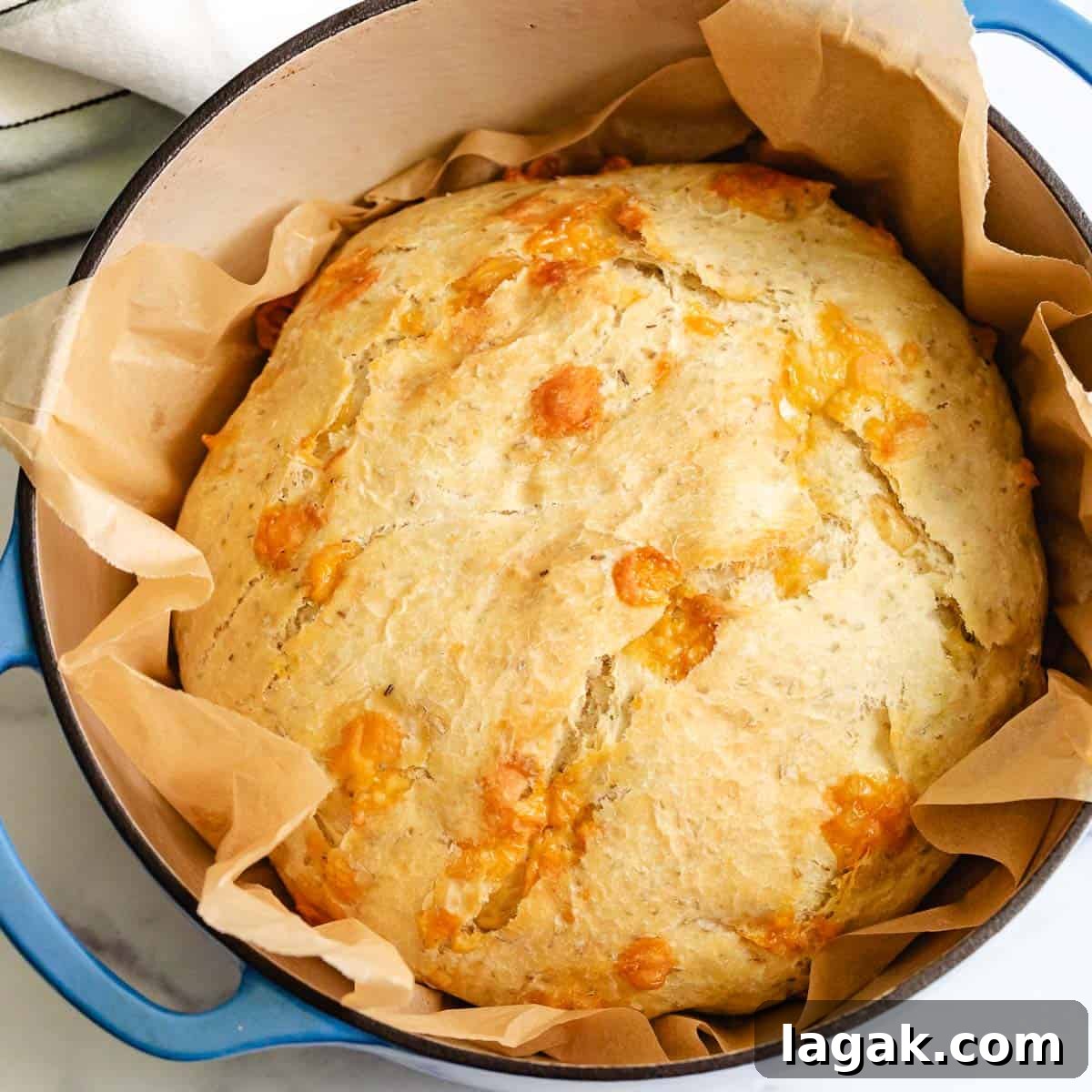
Soft, cheesy, and fragrant with herbs, this rustic rosemary parmesan bread is baked in a Dutch oven for a crisp crust and tender, airy interior.
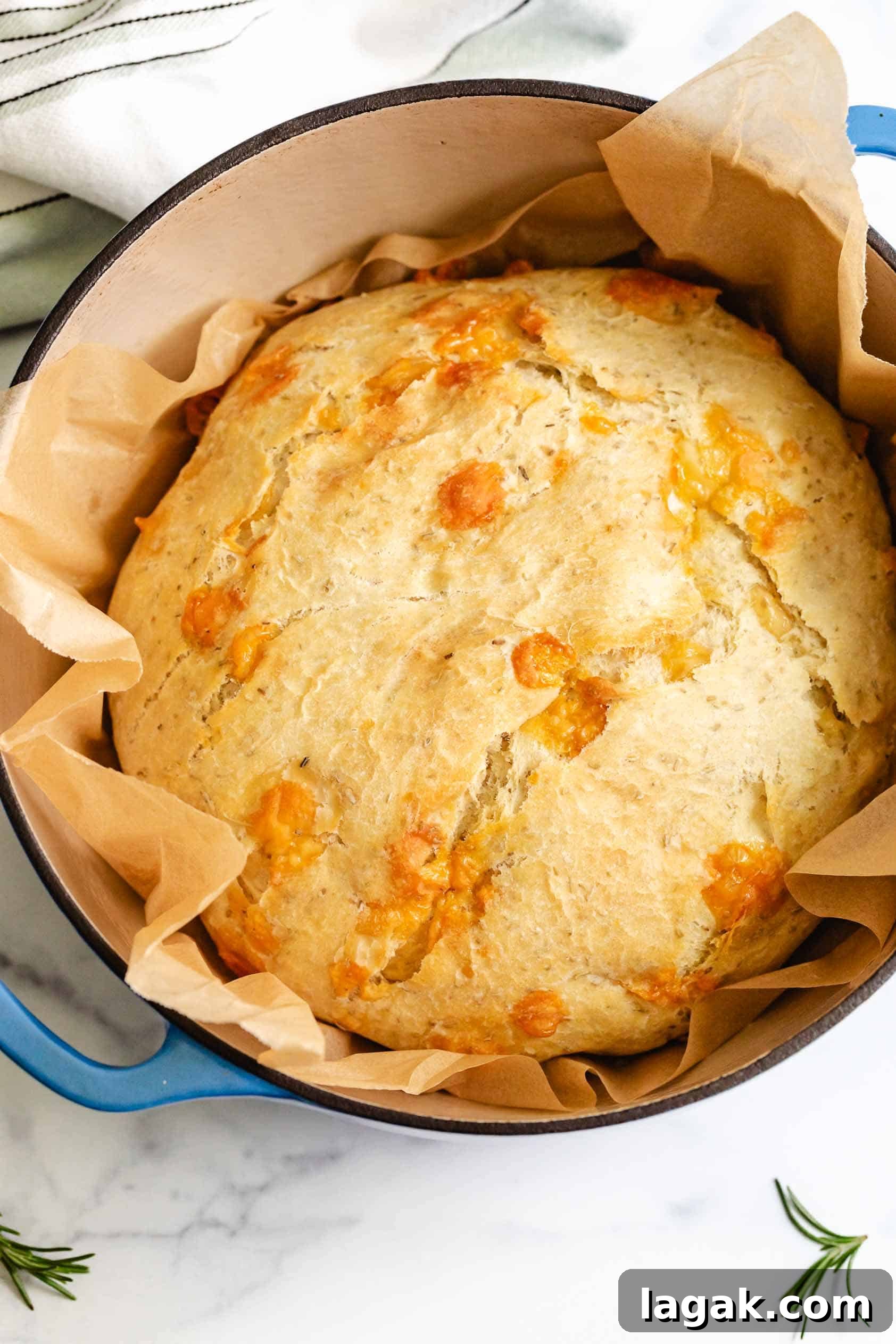
This Dutch oven rosemary parmesan bread is one of my favorite no-fuss artisan-style loaves. The savory mix of parmesan and rosemary gives the bread a bold, savory depth that complements soups, pastas, salads, or simply a drizzle of seasoned olive oil.
The Parmesan melts into pockets throughout the dough while the rosemary adds an aromatic lift. The result is a beautiful, bakery-style loaf with a crunchy exterior and a soft, flavorful crumb.
How to Make Rosemary Parmesan Bread
Follow these straightforward steps to bake this loaf at home:
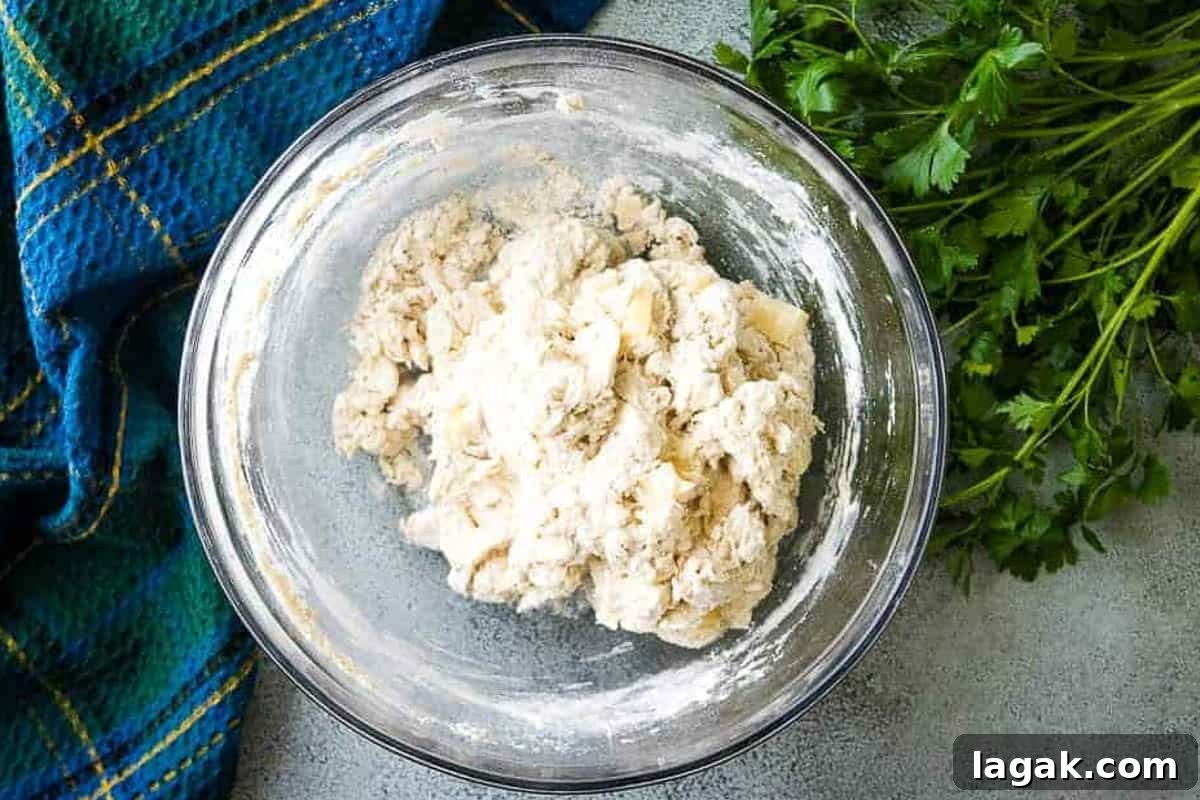
Mix the Dough: Combine warm water and yeast until foamy. Add bread flour, most of the all-purpose flour, dried rosemary, salt, and parmesan. Stir until a shaggy dough forms.
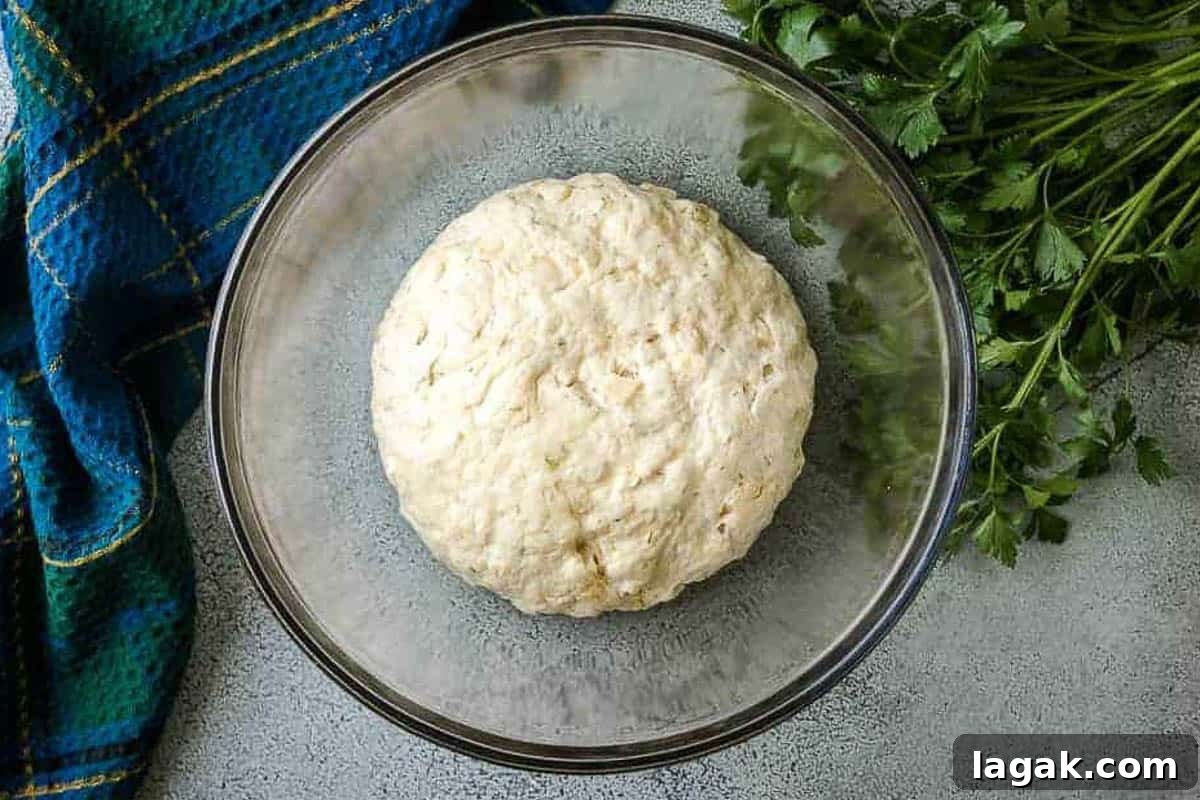
Knead and Proof: Turn the dough onto a lightly floured surface and knead until smooth and elastic. Place in a lightly oiled bowl, cover, and let it rise in a warm, draft-free spot until doubled in size.
Shape and Second Rise: Gently shape the dough into a tight ball, tucking any loose cheese inside. Place it on parchment and allow a short second rise while the Dutch oven preheats.
Bake in a Dutch Oven: Carefully lower the parchment and dough into the preheated Dutch oven, score the top if desired, cover, and bake. After an initial covered bake to trap steam, remove the lid to brown and crisp the crust.

Cool and Enjoy: Transfer the finished loaf to a wire rack and let it cool completely before slicing to preserve the best texture and crumb.
Tips for the Perfect Loaf
Perfecting the Dough
- The dough should be slightly tacky but manageable. If it’s too sticky, add flour one tablespoon at a time.
- Use a modest amount of cheese—too much can weigh the dough down and affect rise and bake.
Baking Tips
- Preheat Your Dutch Oven – Heating the Dutch oven first creates steam and improves oven spring and crust texture.
- Score the Bread – A shallow slash allows the loaf to expand predictably and creates an attractive finish.
- Check Doneness – A hollow sound when tapping the bottom indicates the loaf is baked through.
- Cool Before Slicing – Allow at least 1–2 hours of cooling to avoid a gummy interior.
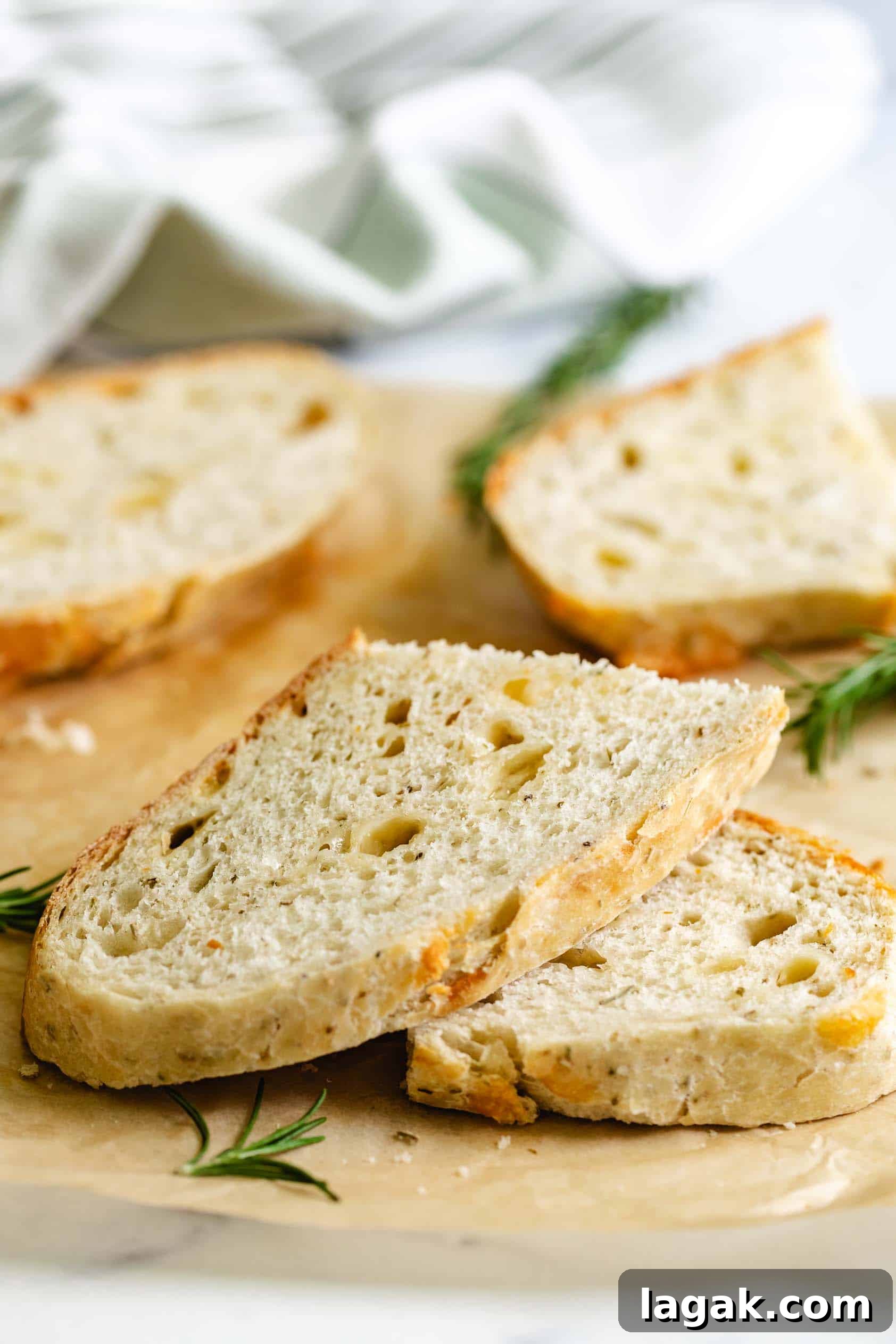
Can I Use Shredded Parmesan Instead of Cubed?
Yes. Shredded parmesan integrates and melts well. If swapping, measure by weight to keep the same cheese-to-dough ratio and avoid overloading the dough.
Can I Make This in a Stand Mixer?
Yes. Use a dough hook: combine ingredients on low until combined, then knead on medium for about 5 minutes until smooth and elastic. Note that a mixer may break cubed cheese more than hand mixing.
Can I Make This in a Bread Machine?
Results can vary with bread machines. If you try it, expect to adjust flour amounts and cycle settings to account for the added cheese and rosemary.
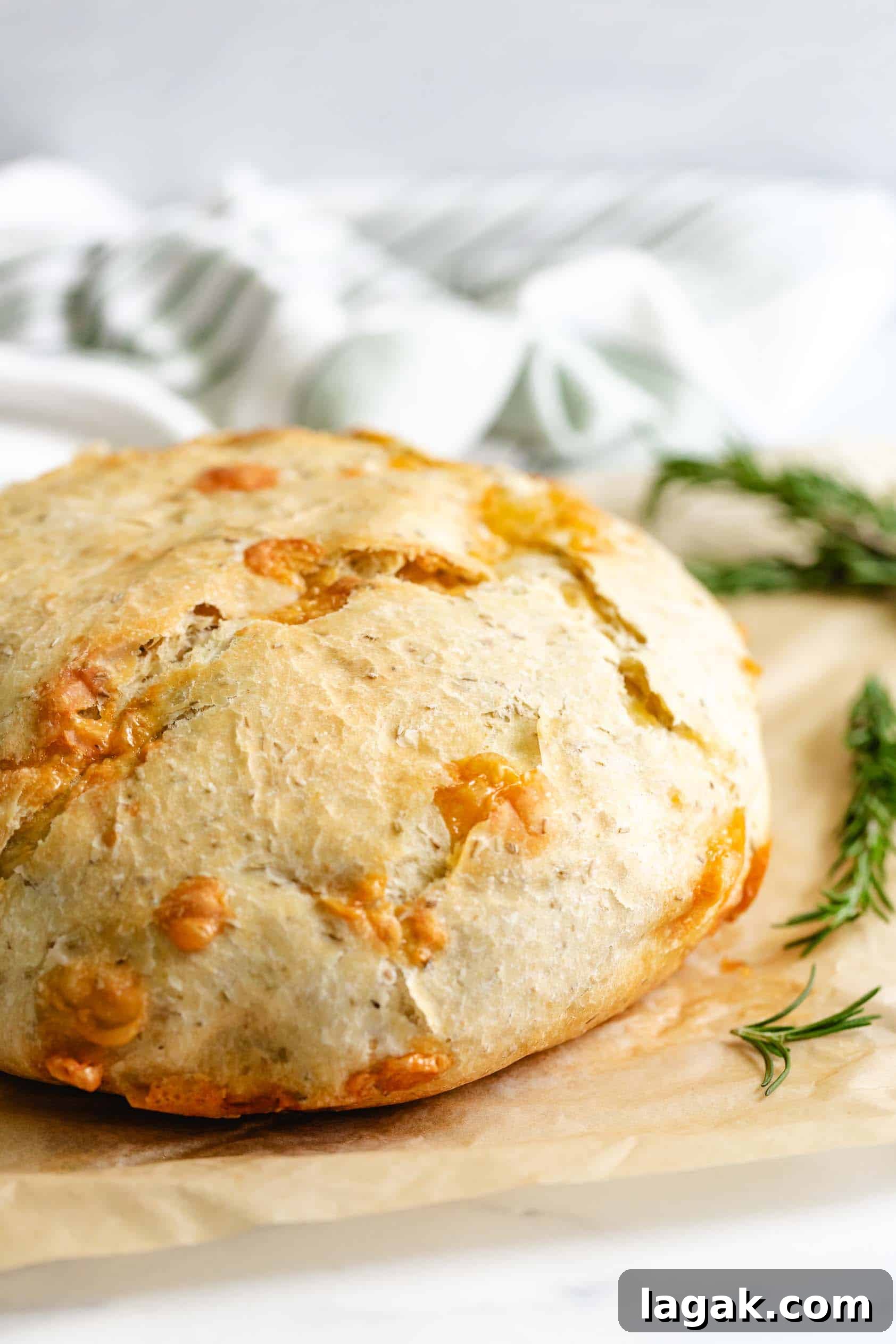
How to Store Leftover Bread
- Room Temperature: Store in a plastic bag or airtight container for up to 3 days.
- Refrigerator: Not recommended—refrigeration can dry the bread and change the texture.
- Freezing: Wrap cooled bread tightly in plastic wrap and foil; freeze up to 2 months. Thaw at room temperature. For convenience, slice before freezing so you can thaw single portions.
More Bread Recipes:
- Sourdough Naan
- Soft Honey Wheat Bread
- Jalapeño Cheese Bread

Rosemary Parmesan Bread Recipe
How to Video
What You’ll Need
- 1 ½ cups water, warmed to 110 to 115°F
- 1 tablespoon instant yeast
- 2 cups bread flour
- 2 to 3 cups all-purpose flour
- 1 ½ tablespoons dried rosemary
- 1 teaspoon salt
- 1 cup parmesan cheese, finely cubed or shredded
How to Make It
Mix the Dough:
-
In a large mixing bowl, combine warm water and yeast. Let sit until foamy.
-
Add bread flour, 2 cups all-purpose flour, rosemary, salt, and parmesan. Stir with a sturdy spoon until a shaggy dough forms.
-
If the dough is too sticky, add additional all-purpose flour, 1 tablespoon at a time, until slightly tacky but manageable.
Knead and Proof:
-
Turn the dough onto a lightly floured surface and knead by hand for about 8–10 minutes until smooth and elastic.
-
Shape the dough into a ball and place it in a lightly oiled bowl. Cover and let rise in a warm, draft-free area until doubled in size, about 30 minutes to 2 hours.
Shape and Second Rise:
-
Transfer the risen dough to a lightly floured surface, shape into a tight ball, and place on parchment. Let rest while preheating the Dutch oven.
Preheat the Dutch Oven:
-
Place a Dutch oven with its lid inside the oven and preheat to 450°F while the dough rests.
Bake in a Dutch Oven:
-
Carefully lower the parchment and dough into the hot Dutch oven, cover, and reduce the oven temperature to 400°F.
-
Bake covered for 40 minutes. Remove the lid and bake an additional 15–20 minutes until golden brown and crisp.
Cool and Enjoy:
-
Transfer to a wire rack and let cool completely before slicing for the best texture.
Suggested Equipment
-
Dutch Oven
-
Stand Mixer (optional)
Notes
- The calorie and nutrition estimates are approximate and based on the recipe card serving size; actual values may vary.
- This recipe uses a hot oven bake for better oven spring. A cold oven method will work but produces a wider, less tall loaf.
- For a cheesy top, add shredded parmesan during the last 15 minutes of baking so it melts and browns.
- Mixing by hand tends to keep cheese cubes more intact; a stand mixer may break the cheese into the dough more thoroughly.