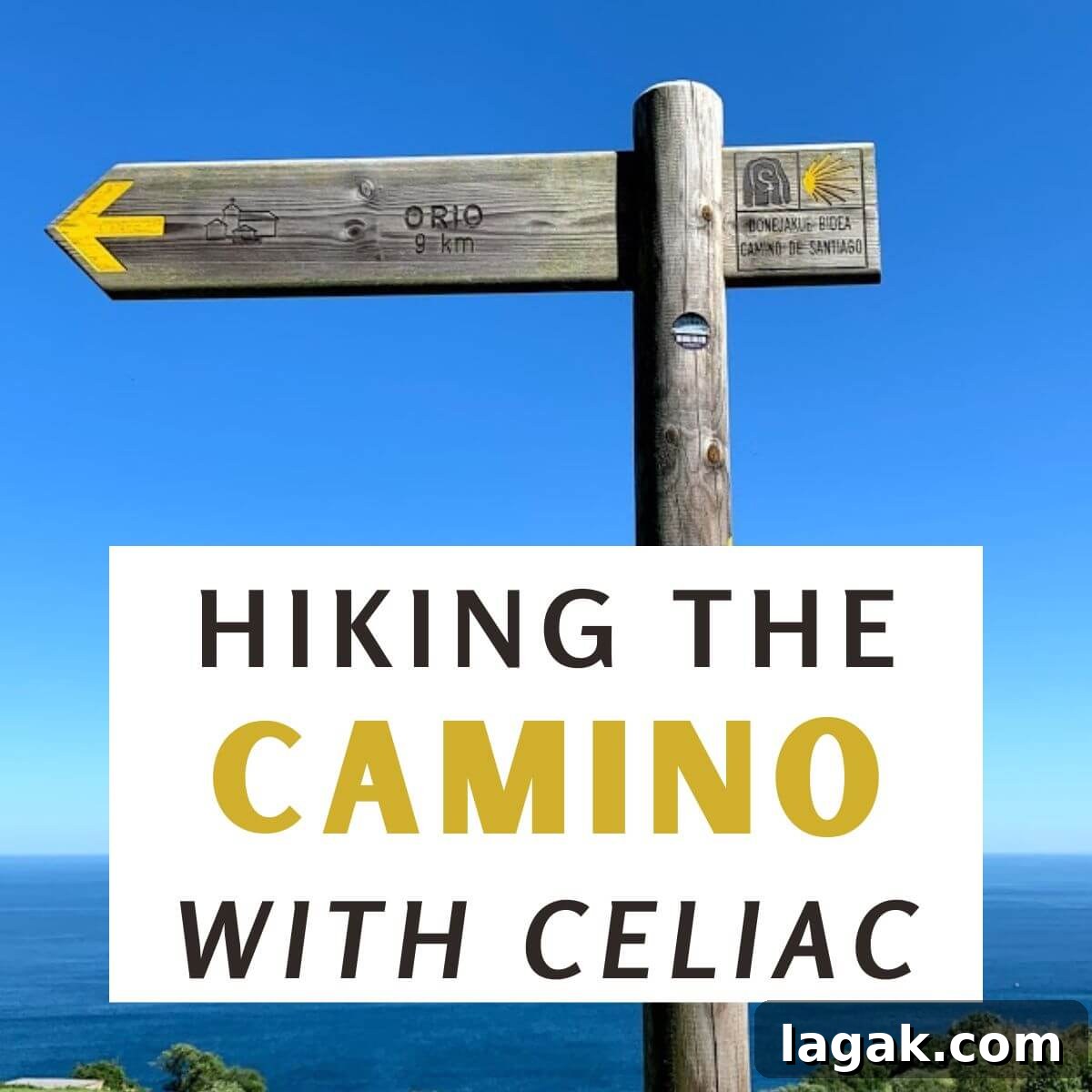
If you want to walk Spain’s famous pilgrimage with celiac disease, here’s how to hike the Camino de Santiago gluten-free.
This post may contain affiliate links. Please see my disclosure page for more information. Thanks!
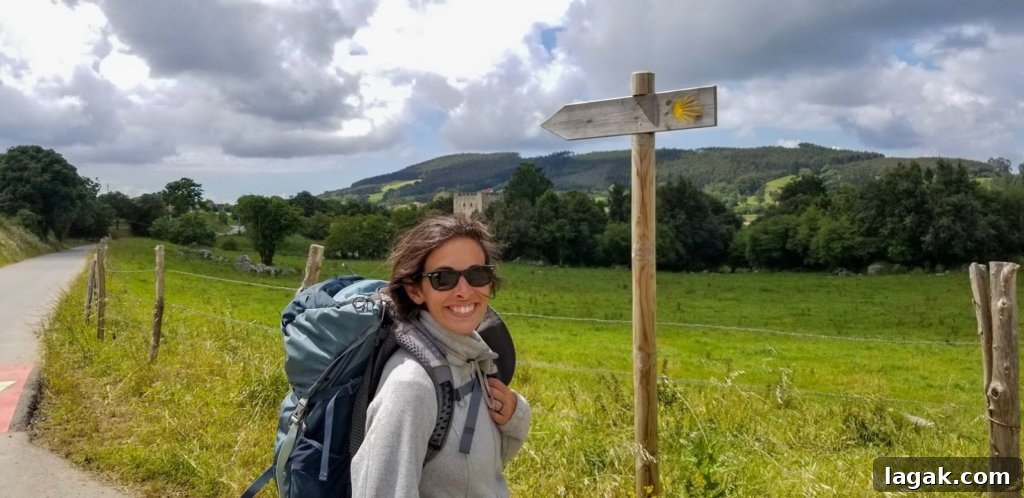
While studying in Spain years ago I remember seeing pilgrims pass by with shells on their backpacks. I never imagined that a decade later I would become one of them. In 2019, after six months backpacking around the world and finishing major treks like the Inca Trail and the Annapurna Base Camp trek, Dylan and I capped our trip with the Camino de Santiago.
We hiked for two weeks—about one third of the Camino—covering roughly 175 miles. It was physically demanding, deeply rewarding, exhausting, and exhilarating. We plan to return someday to complete the remainder of the route to Santiago de Compostela.
For those with celiac disease, hiking the Camino was, in my experience, more physically challenging than food-wise. Access to supermarkets, picnic lunches, and albergues with kitchens made managing a gluten-free diet straightforward. During our two-week stretch I did not experience any gluten-related issues.
If you love hiking but need to follow a strict gluten-free diet, this guide explains what to expect on the Camino: how to prepare, what to pack, and practical tips for eating safely while walking the Way of St. James.
¡Vamos!
Camino de Santiago Gluten-Free Travel Guide
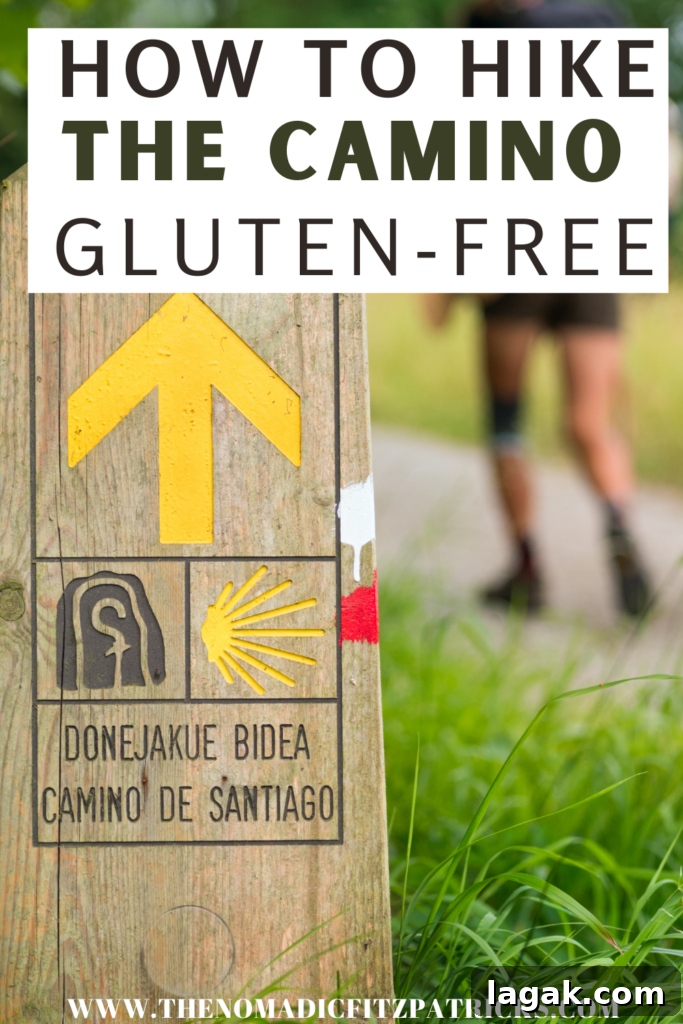
- Camino de Santiago Gluten-Free Travel Guide
- About The Camino de Santiago
- Our Journey on the Camino del Norte
- Spain’s Food Culture: A Quick Summary
- Celiac Disease & Gluten-Free Food in Spain
- Spanish Restaurant Card
- Tips For Eating Gluten-Free on the Camino de Santiago
- What To Pack For The Camino De Santiago
- Gluten-Free Meal Ideas For The Camino
- Gluten-Free Supermarkets on the Camino
- How to Eat Gluten-Free At Albergues On the Camino
- The Reality of The Camino: When Things Get Tough
- Final Thoughts: Hiking the Camino de Santiago Gluten-Free
- Looking for more celiac travel posts?
About The Camino de Santiago
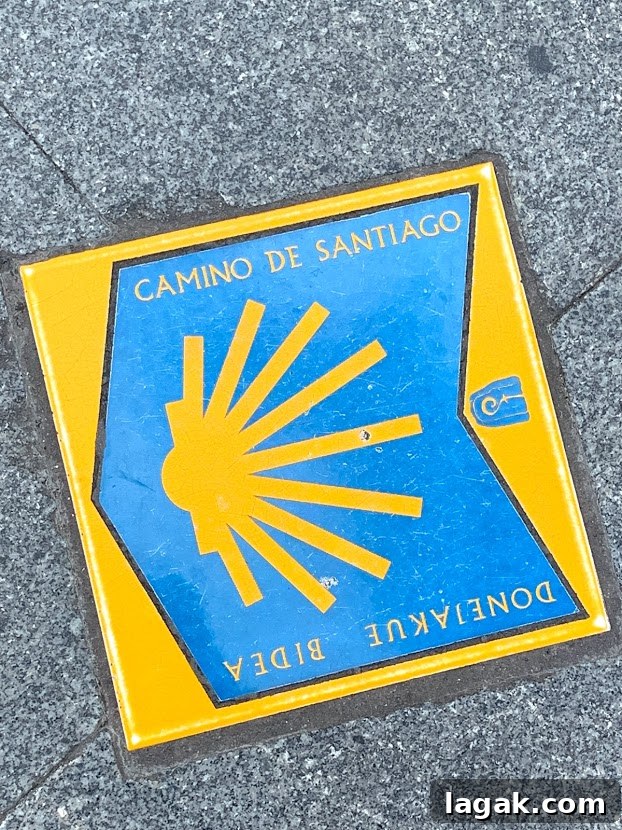
The Camino de Santiago, or Way of St. James, is a network of ancient pilgrimage routes that converge at the Cathedral of Santiago de Compostela in Galicia, northwest Spain. “Camino” means to walk and pilgrims follow the shell symbol, la concha, which marks the route.
Routes begin in various places—France, Portugal, and different parts of Spain. Popular options like the Camino Francés and Camino Norte are each roughly 500 miles long, though many people complete only sections in shorter trips.
Pilgrims, or peregrinos, often plan their journey to fit their schedule: some walk the full route in a month, others tackle it in stages over several visits.
Our Journey on the Camino del Norte
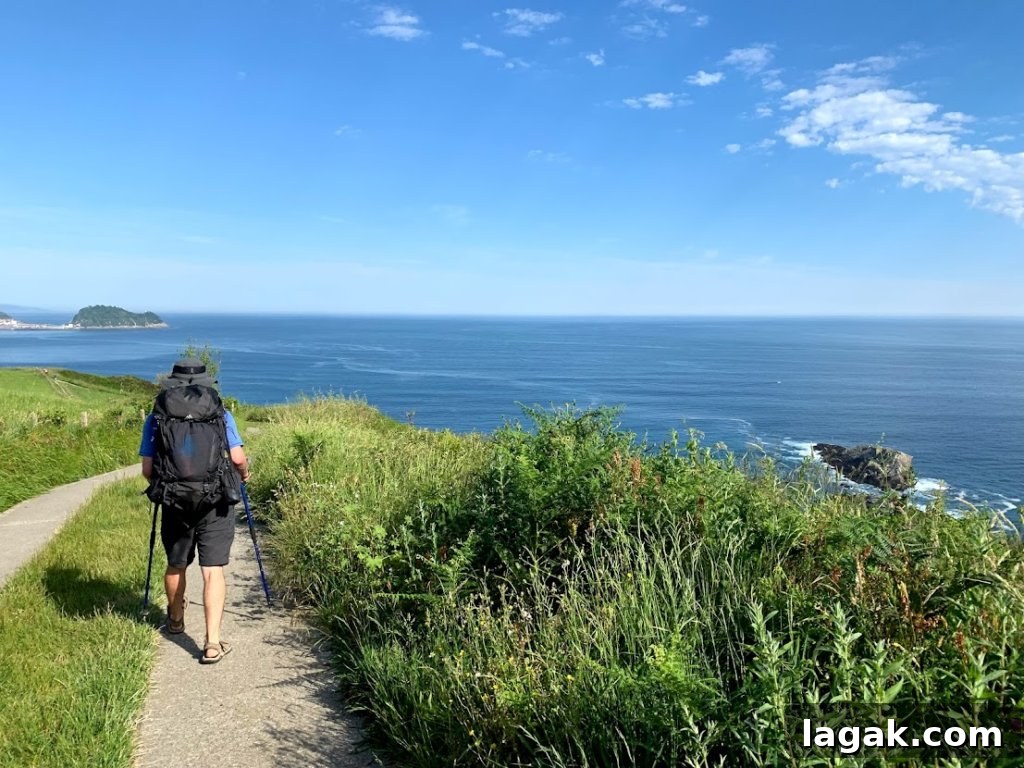
With limited time we chose the Northern Route to enjoy coastal scenery and explore northern Spain. Our trek began in Irun on the France-Spain border and finished in Santander after two weeks.
Walking along cliffs, beaches, farms, and green pastures kept us motivated even on the toughest stretches. We battled blisters early on and swapped heavy boots for sandals with socks to ease pain—far from perfect but effective.
Dylan carried extra weight when needed and supported me through steep hills and long days. The camaraderie among fellow peregrinos quickly became one of the trip’s most memorable parts.
Spain’s Food Culture: A Quick Summary
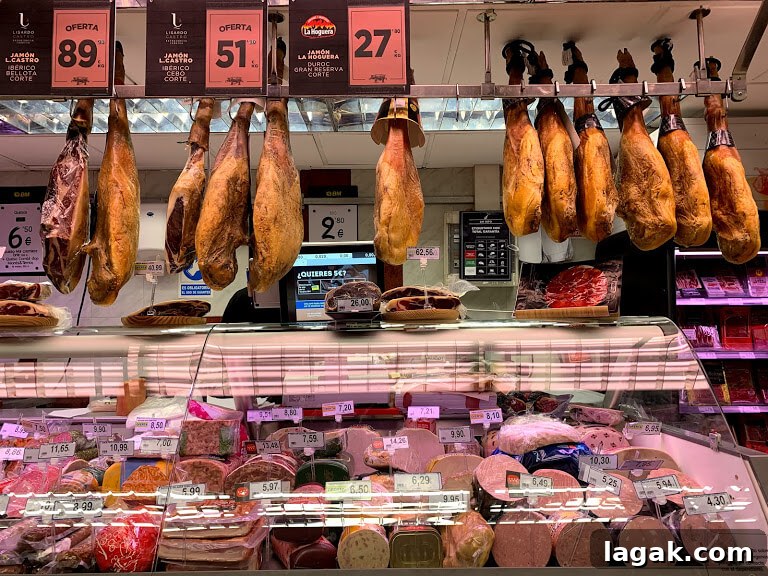
Spanish cuisine follows a Mediterranean pattern: olive oil, fish, fresh vegetables, potatoes, and rice play central roles. Typical dishes include paella, tortilla de patatas, tapas (or pintxos in the Basque Country), cured ham, cheeses, olives, and small cups of coffee.
Spanish meal times differ from many other countries: breakfast is usually small, lunch is the main meal around 2 PM, and dinner is often eaten late, around 9–10 PM. Tapas culture makes for many small plates, which can be helpful when eating selectively.
Celiac Disease & Gluten-Free Food in Spain
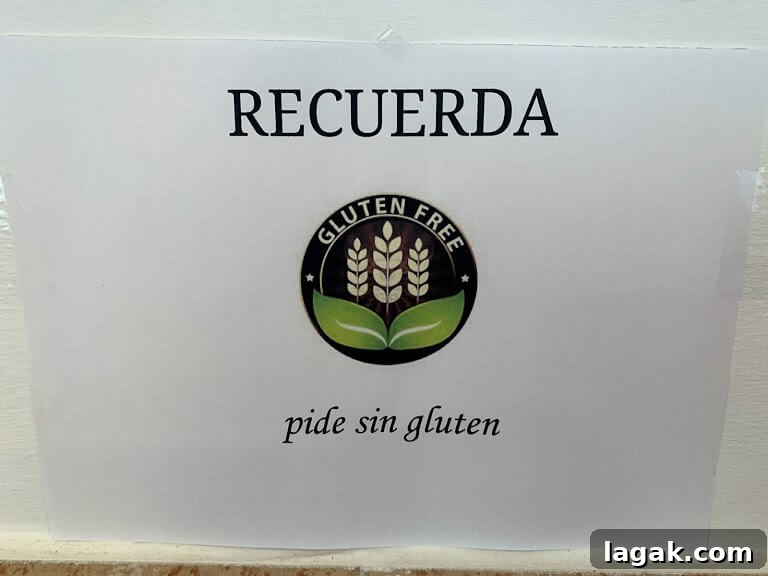
Awareness of celiac disease in Spain has increased over recent years. Many restaurants display the blue F.A.C.E. sticker indicating approval by the Federación de Asociaciones de Celíacos de España, a sign that the establishment is experienced in serving safe gluten-free options.
If you don’t speak Spanish, using a well-translated restaurant card is one of the smartest tools you can bring to ensure clear communication about your dietary needs.
Spanish Restaurant Card
A Spanish-language restaurant card explains celiac-related restrictions clearly and politely. A correctly translated card improves comprehension and helps hosts or kitchen staff understand cross-contamination risks, preparation requirements, and which ingredients must be avoided.
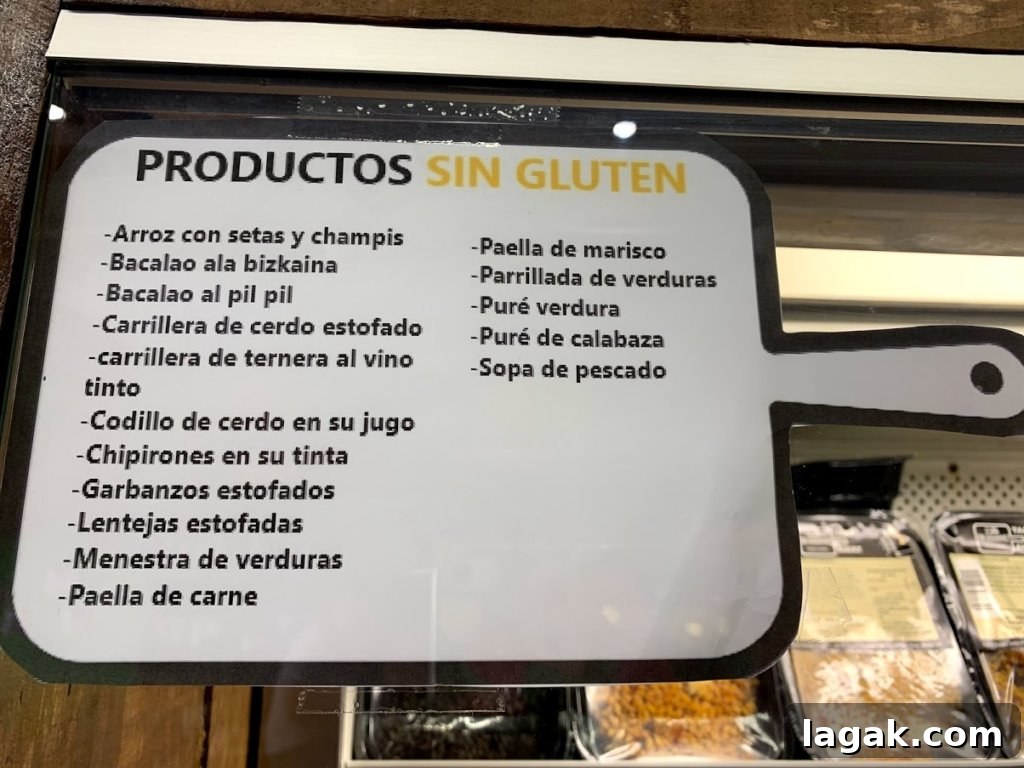
If you don’t use a card, look for the phrases “sin gluten” (without gluten) or “sin T.A.C.C.” on menus and packages. You can also introduce yourself to hosts by saying, “Soy celiaca” or “Soy celiaco.”
Tips For Eating Gluten-Free on the Camino de Santiago
The Camino is surprisingly manageable for those with celiac if you plan around two essentials:
- A supermarket nearby (and check opening days — many small towns close on Sundays)
- An albergue or hostel with a kitchen accessible to pilgrims
Small towns sometimes close shops on Sundays, particularly on the Northern Route, so plan your resupply days. When staying in albergues, verify whether the kitchen is available for pilgrims or if meals are provided by staff.
What To Pack For The Camino De Santiago
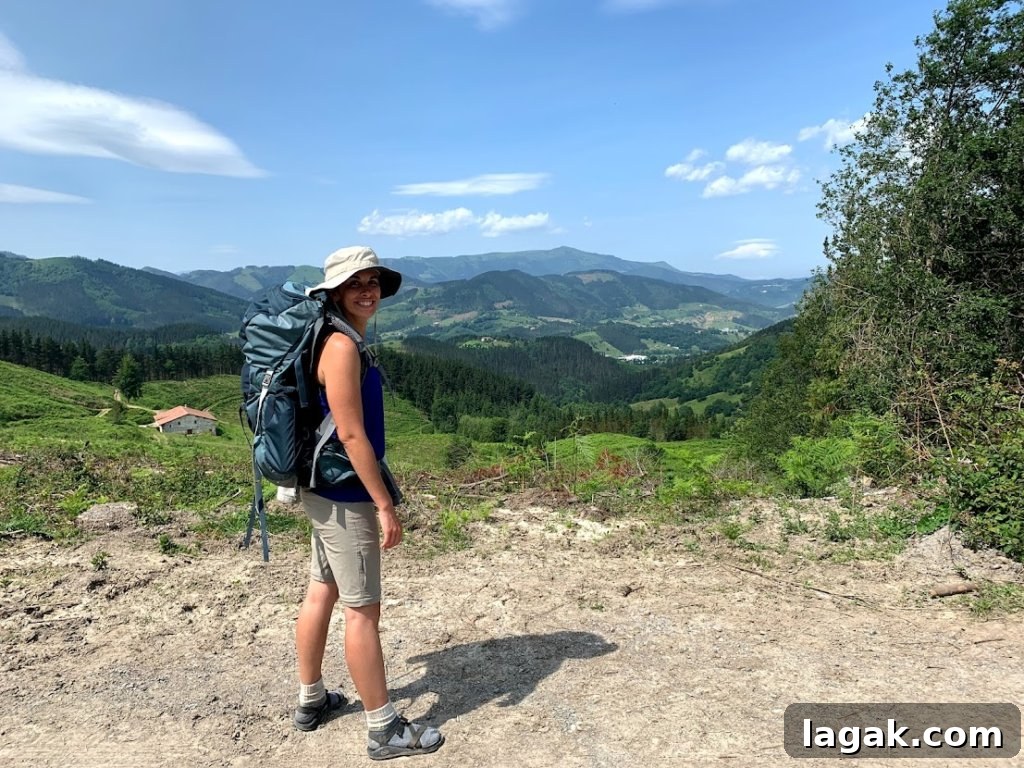
Travel light but include essentials that make gluten-free living easier on the trail:
- A supportive, compact backpack
- A fresh loaf of gluten-free bread (buy locally)
- Peanut butter or chocolate spread for sandwiches
- Portable gluten-free snacks (granola bars, crackers, dried fruit)
- Reusable utensils
- Small soap and laundry detergent
- A reusable water bottle (there are many refill stations)
- Your pilgrim passport for albergue access
- A lightweight sleep sack for basic albergues
- Eye mask, earplugs, and headphones for shared sleeping spaces
- A first aid kit with blister care (bandages, moleskin)
Don’t be surprised if you lose a toenail—blisters are common. Pack blister supplies and take care of your feet daily.
Gluten-Free Meal Ideas For The Camino
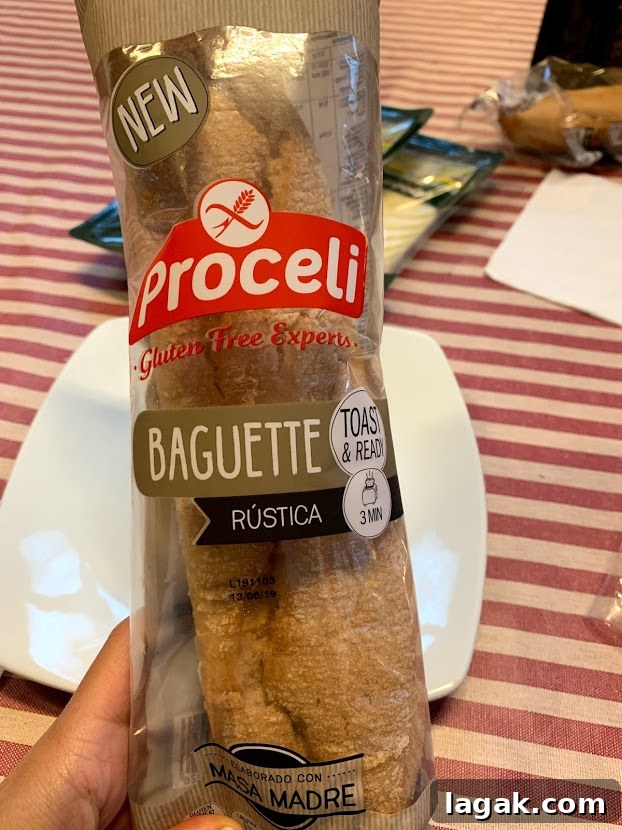
Typical day of food:
Breakfast: Often included at the albergue — fruit, yogurt, and coffee. Take an extra piece of fruit for later.
Snack: Mid-morning, reach for fruit, crackers, granola bars, or dried fruit. Local shops sometimes sell ready-made gluten-free snacks.
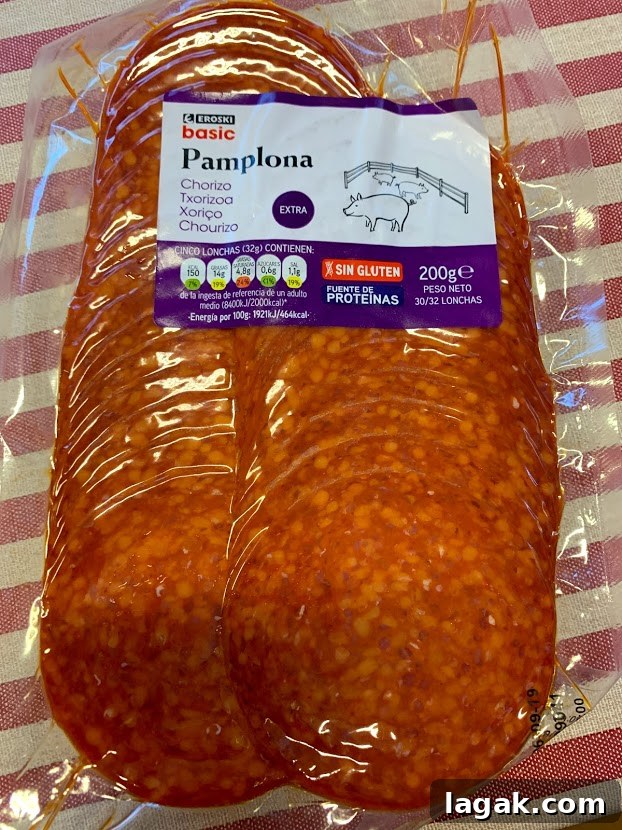
Lunch: Picnic-style—salami, cheese, gluten-free crackers or bread, and fruit. We often prepared sandwiches the night before and ate in scenic spots.
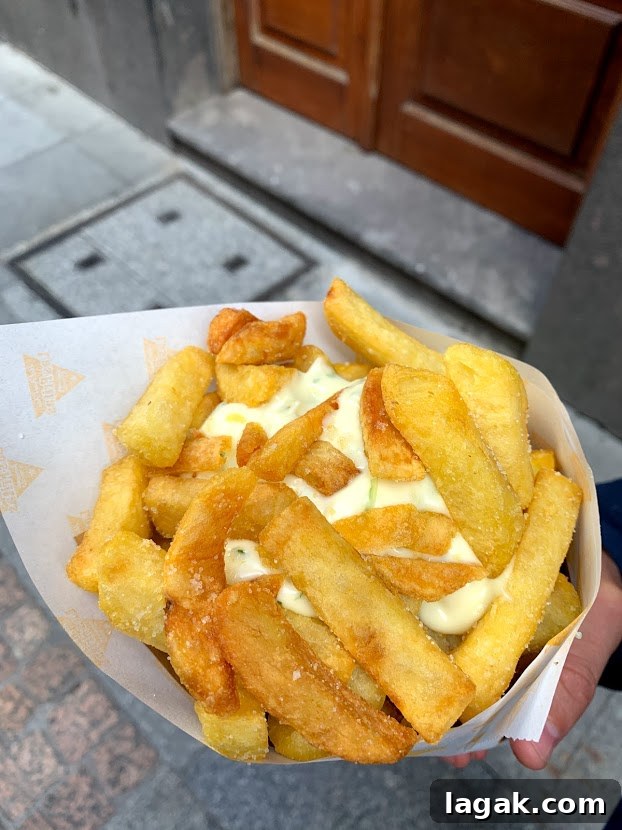
Dinner: When a kitchen was available we cooked simple meals like pasta with salad (use gluten-free pasta when needed), or purchased local tortilla and cured meats. At restaurants I stuck to plain dishes like eggs, chicken, or potatoes when possible.
Occasionally we found gluten-free restaurant options, even frozen pizza in a supermarket—small victories that make a big difference.
Gluten-Free Supermarkets on the Camino
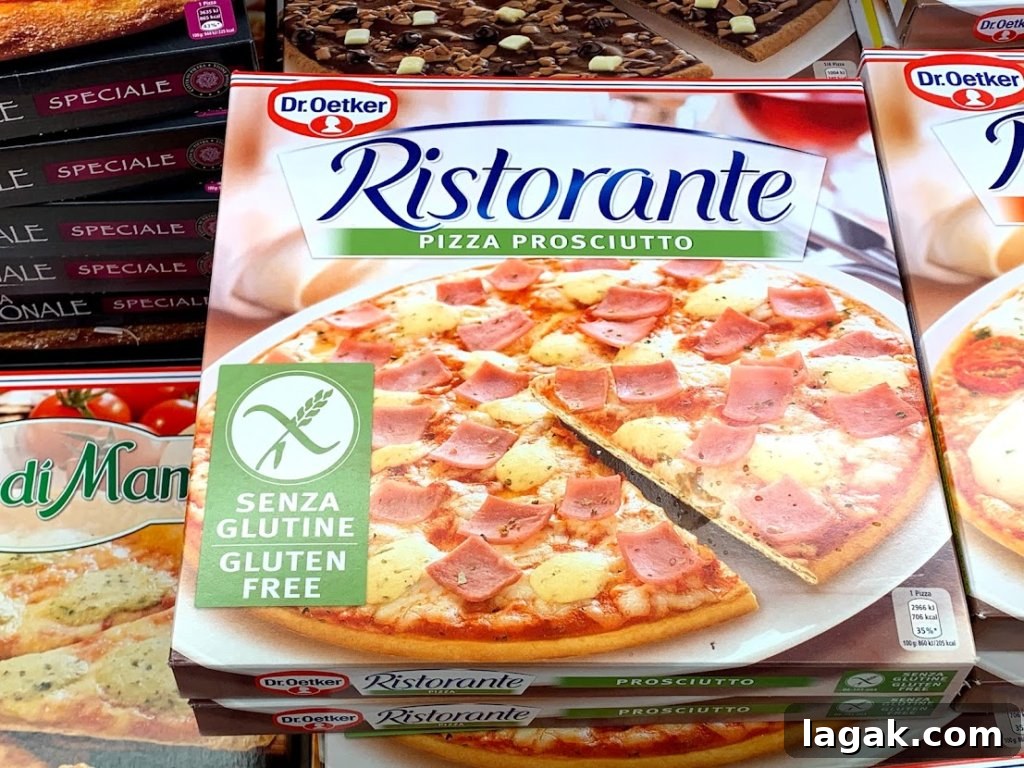
Major Spanish supermarket chains—Mercadona, Eroski, Lidl, Carrefour, and Día—typically carry dedicated gluten-free sections. Check aisles and freezers for ready meals and snacks labeled “sin gluten.”
How to Eat Gluten-Free At Albergues On the Camino
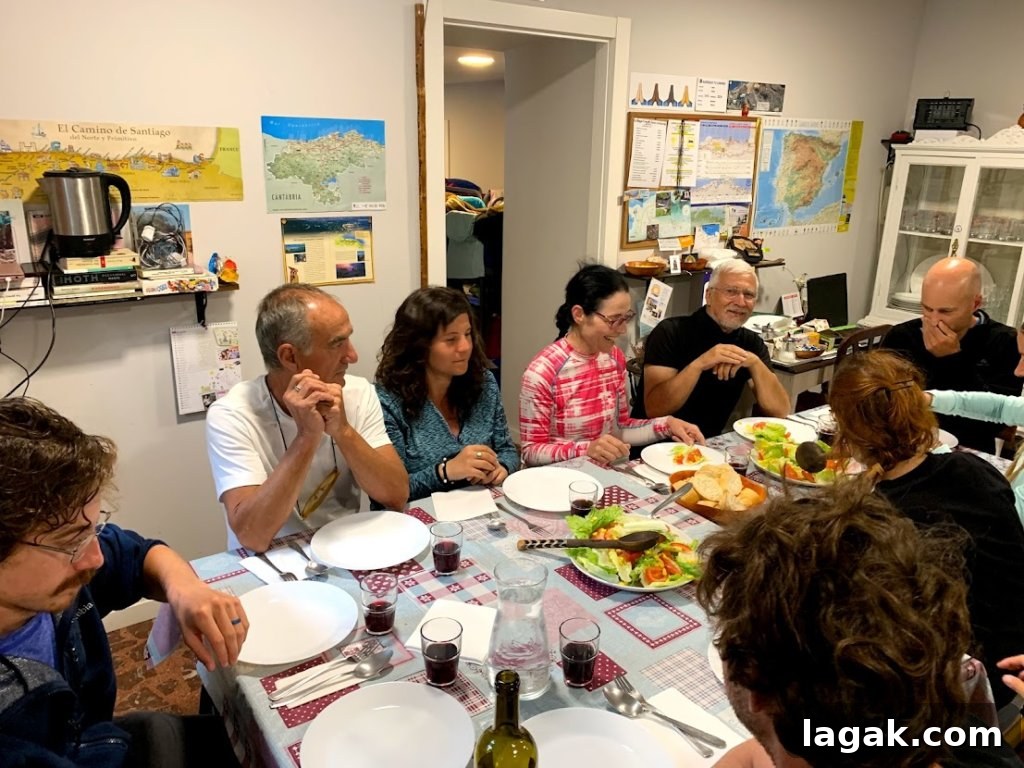
Some albergues offer communal dinners for a small fee. One memorable night at Albergue Tu Camino in Ontón included unlimited wine, salad, a vegetarian main, and dessert. After explaining my celiac condition in Spanish, the host offered me fruit instead of dessert and produced a box of gluten-free crackers she kept on hand for pilgrims with celiac. Small gestures like that make communal meals comfortable and safe.
If a host prepares food, ask to see ingredients or be taken into the kitchen. Clear communication prevents cross-contamination and ensures a safer meal.
The Reality of The Camino: When Things Get Tough
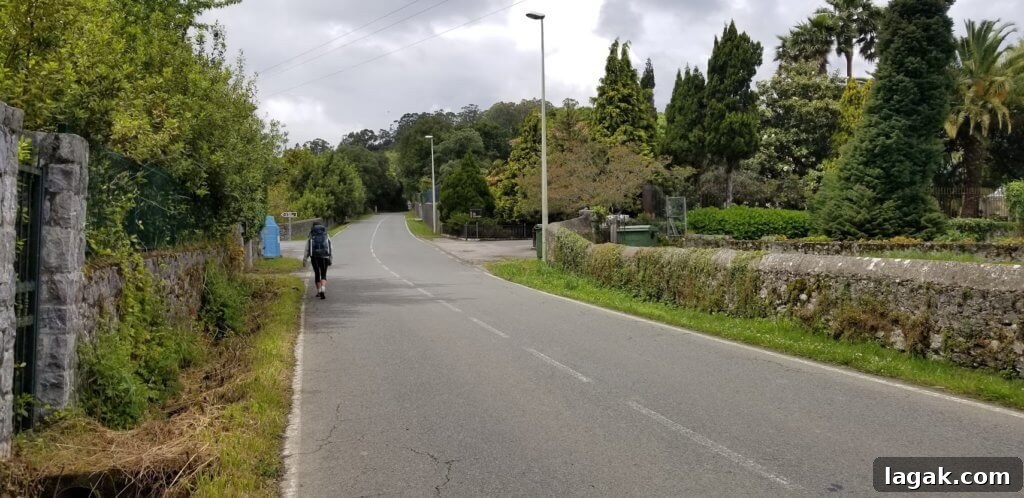
The Camino tests your body and mind. Blisters, heavy packs, bad weather, sleepless nights from noisy dorms, and moments of doubt are all part of the experience. About a week in I reached my limit—sore, sleep-deprived, and discouraged—and Dylan and I took a short break in Bilbao. Resting for two days reset my energy and determination.
If you struggle, give yourself permission to slow down or take a break. Pausing to recover is not quitting; it’s smart self-care. This is doubly important for those with celiac—if accidental exposure happens, you’ll want time and rest to recover.
After rest we returned to the trail and reconnected with the fellow pilgrims who had become our Camino family. Alternating nights between albergues and small hotels helped when extra sleep or privacy was needed.
Final Thoughts: Hiking the Camino de Santiago Gluten-Free
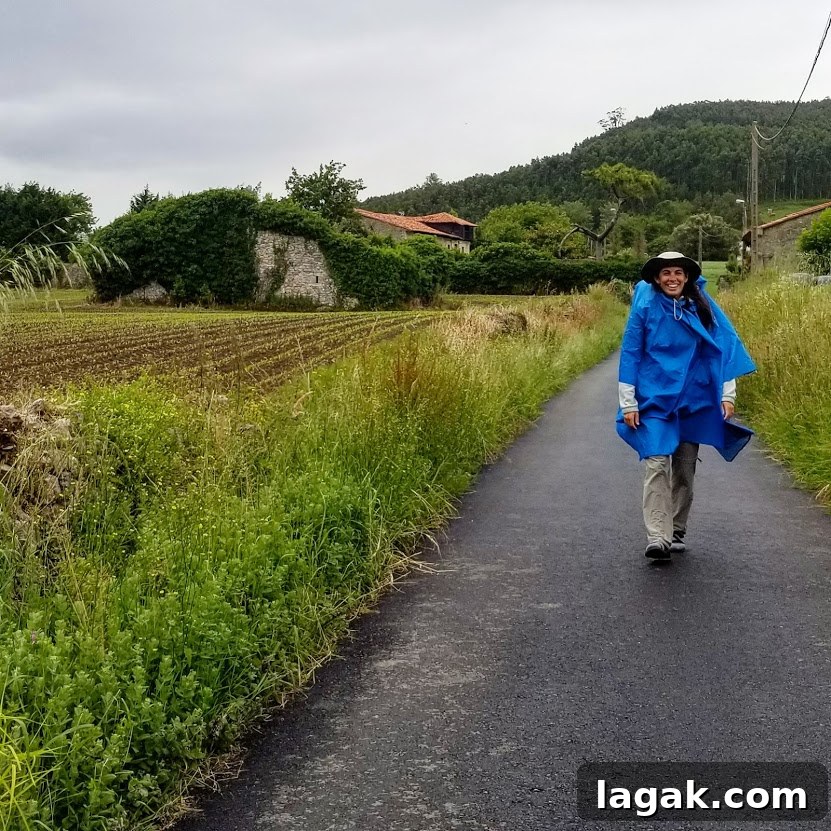
I completed one third of the Camino to Santander and—while the hiking was tough—managing a gluten-free diet was surprisingly straightforward. With supermarkets stocking many gluten-free options, the availability of kitchens in albergues, picnic lunches, and growing awareness of celiac disease in Spain, food was one less thing to worry about.
We never experienced stomach problems related to gluten during our two-week section. Pack wisely, communicate clearly, and don’t be afraid to ask hosts to show you ingredients or preparation methods.
Looking for more celiac travel posts?
Avoid common mistakes when dining out with celiac disease and read posts about flying with celiac or managing celiac with IBS on the road. I also offer gluten-free travel guides for cities like Boston, New York, Madrid, and Buenos Aires.
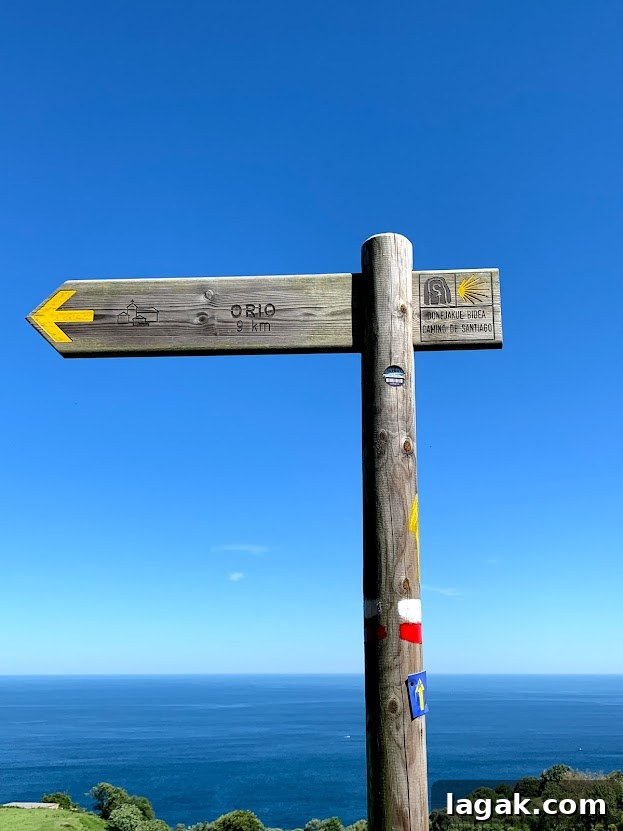
Dylan and I hope to return to Spain to finish the Camino, picking up from Santander and continuing to Santiago de Compostela. Now that we know what to expect, we look forward to Part 2. Buen Camino a todos.
Have you ever hiked the Camino de Santiago gluten-free, or do you plan to one day?
What was your experience like as a peregrino sin gluten?
Let me know what you think of this gluten-free guide!