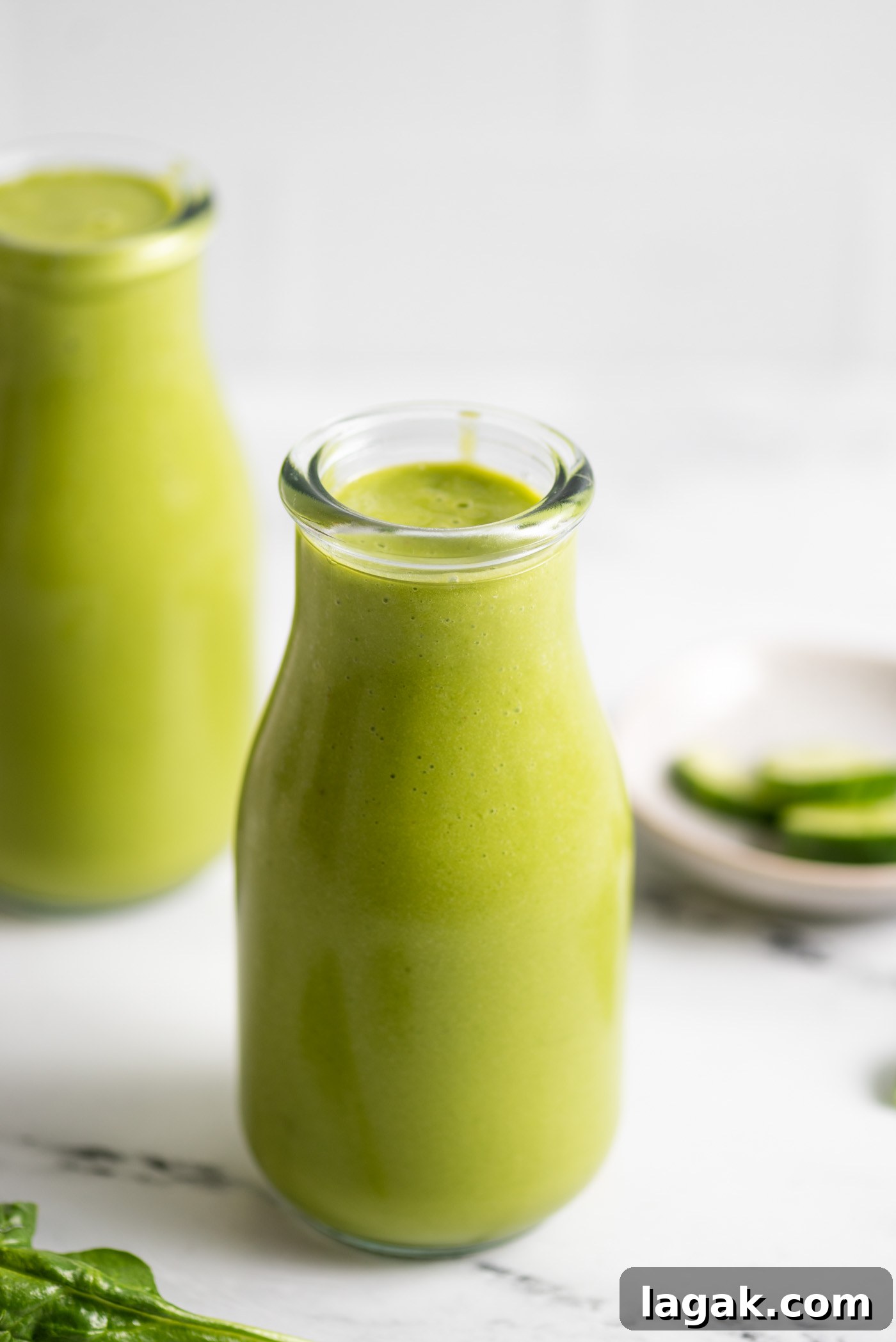
One of the simplest ways to boost your vegetable intake is to add vegetables to smoothies. Beyond the usual handful of spinach or kale, many other vegetables blend smoothly into creamy, nutritious drinks. Below are some excellent vegetable choices to add to smoothies in addition to leafy greens.
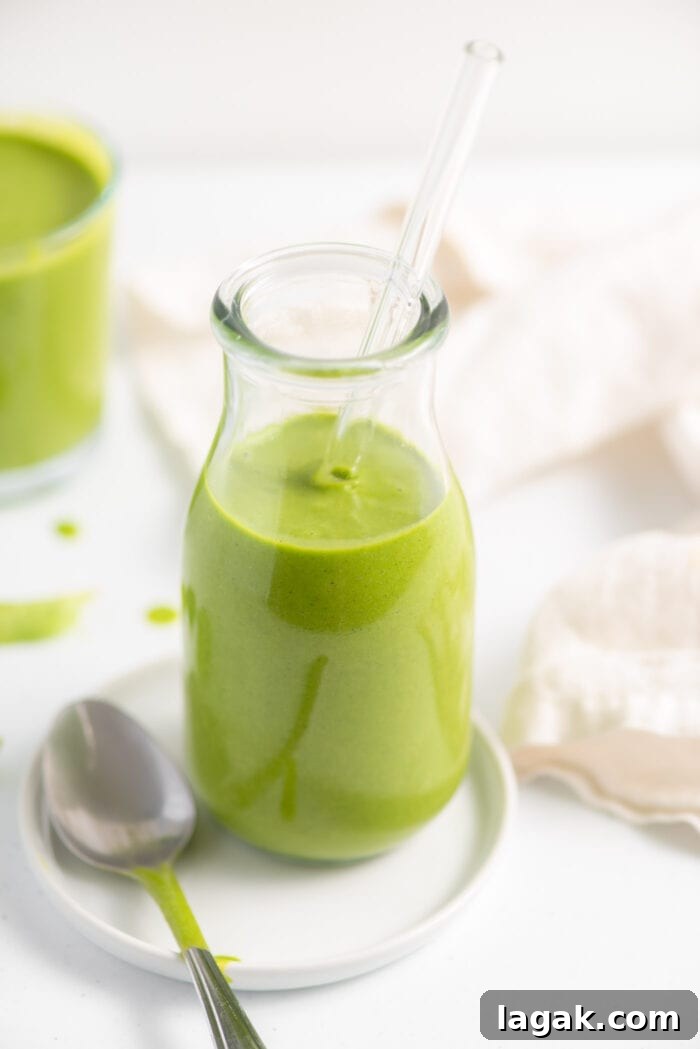
Vegetables like zucchini, cauliflower, sweet potato, carrot, squash and beets all work beautifully in smoothies. They add fibre, vitamins, minerals and texture, and they can enhance sweetness or simply increase volume and nutrition without overpowering the flavour.
Adding these vegetables to smoothies is as easy as tossing in leafy greens. Whether you want extra creaminess, natural sweetness or a nutrient boost, these options make healthy smoothies more satisfying and versatile.
Benefits of Vegetable Smoothies
Incorporating vegetables into your smoothies provides fibre, antioxidants, vitamins and minerals that support digestion, skin health and immunity. Key benefits include:
- Fibre: a simple way to increase daily fibre for improved digestion and overall wellness.
- Micronutrients: more antioxidants, vitamins and minerals in every serving.
- Reduced food waste: freezing leftover vegetables for smoothies prevents spoilage and makes use of extra produce.
- Less added sugar: vegetable-based smoothies can be naturally satisfying without relying on added sweeteners.
- Great for picky eaters: blending vegetables into tasty smoothies helps increase nutrient intake for those who dislike eating whole vegetables.
Zucchini
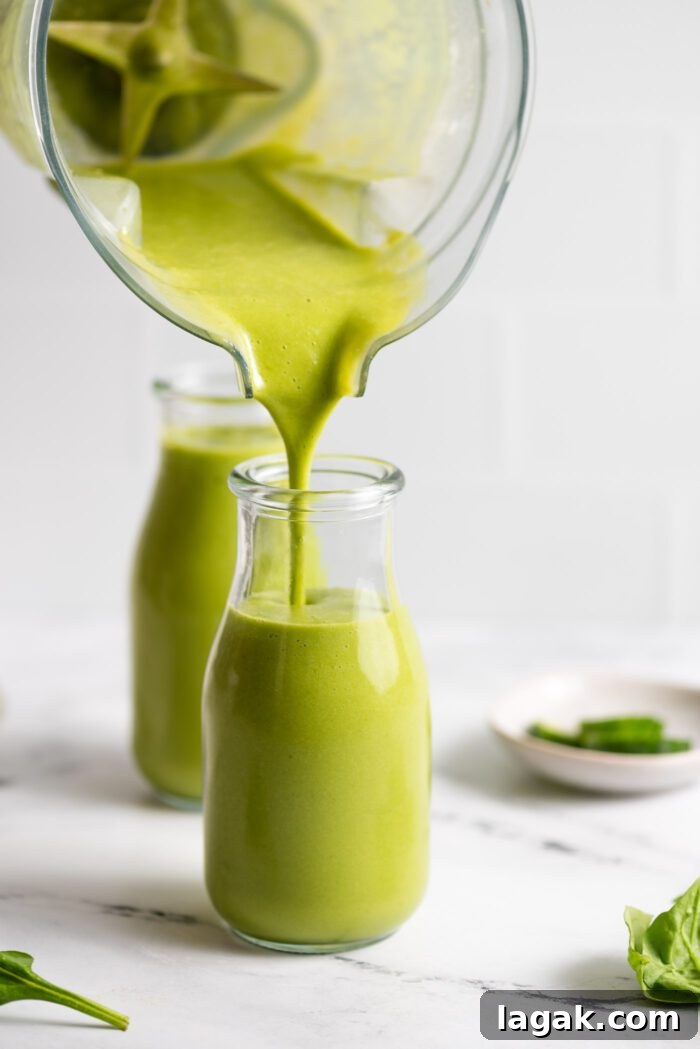
Frozen zucchini is an excellent smoothie ingredient because it creates a silky, creamy texture without a strong flavor. It’s low in calories but rich in antioxidants, vitamin C, fibre and vitamin A, and it also contains potassium, folate and B vitamins.
Taste
Very mild and slightly sweet; adds creaminess without changing the overall flavor profile.
How to Use Zucchini in Smoothies
- Use fresh or frozen, peeled or unpeeled.
- Raw or cooked both work; steaming can aid digestion for sensitive stomachs.
- Freeze chopped or steamed zucchini on a tray, then transfer to a container for ready-to-blend portions.
- Great as a substitute for banana or stone fruit to reduce sugar while maintaining creaminess.
- Neutral flavor pairs well with nearly any smoothie combination.
Zucchini Smoothie Recipes
- Mango Strawberry Smoothie
Squash
Squash varieties—like butternut, kabocha, acorn and pumpkin—are nutrient-dense and offer vitamin A, vitamin C, vitamin E and minerals such as magnesium and potassium. They also contain carotenoids and other anti-inflammatory compounds.
Squash supports eye and skin health, helps regulate blood pressure and contributes antioxidant protection. Its natural creaminess and mild sweetness make it a superb smoothie ingredient.
Taste and Texture
Slightly sweet, smooth and creamy.
How to Use Squash in Smoothies
- Use cooked squash chunks or puree, fresh or frozen.
- Acts as a banana alternative for creaminess and structure.
- Pairs well with peach, almond butter, dates, turmeric, orange, cinnamon and ginger.
- To prep, peel, remove seeds, steam or roast, cool, then freeze in portions.
Quick Tip: Puree cooked squash, freeze in ice cube trays and store cubes in bags for convenient, portioned additions.
Squash Smoothie Recipes
- Pumpkin Spice Latte Smoothie
- Pumpkin Peanut Butter Smoothie
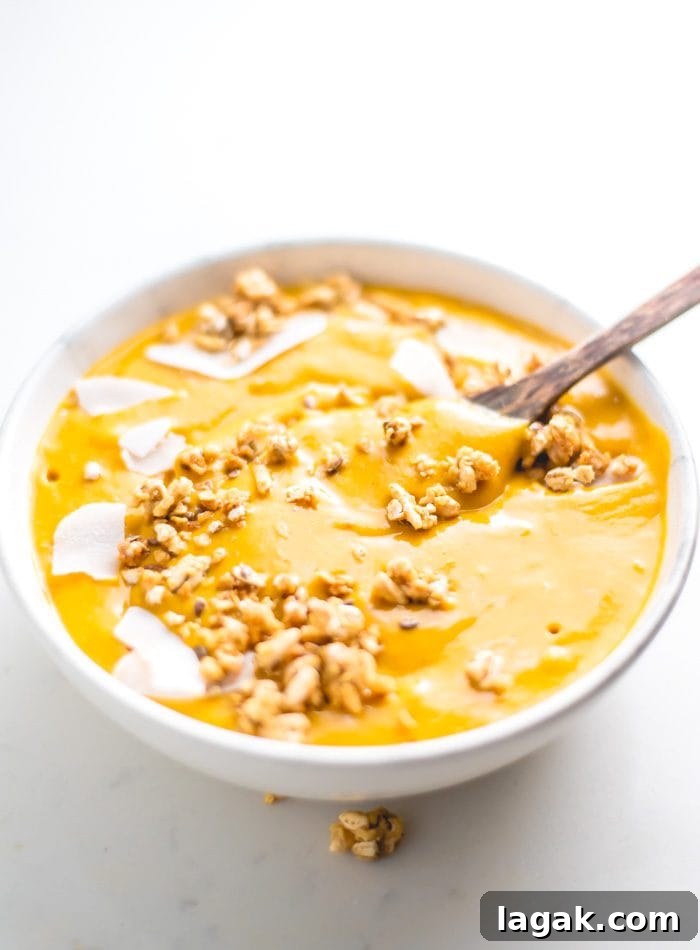
- Butternut Squash Smoothie Bowl
Cucumber
Cucumbers are very hydrating and contain vitamin K, B vitamins, potassium, vitamin C and manganese, along with polyphenols that support long-term health. Their high water content adds volume to smoothies without extra calories or sugar.
Taste
Light, fresh and refreshing.
How to Use Cucumber in Smoothies
- Fresh or frozen both work well; peel if you have a sensitive stomach.
- For the smoothest texture, use peeled, frozen chopped cucumber.
- Pairs nicely with watermelon, pineapple, lime, apple, mint, kale and mango for bright, refreshing blends.
Beets
Benefits
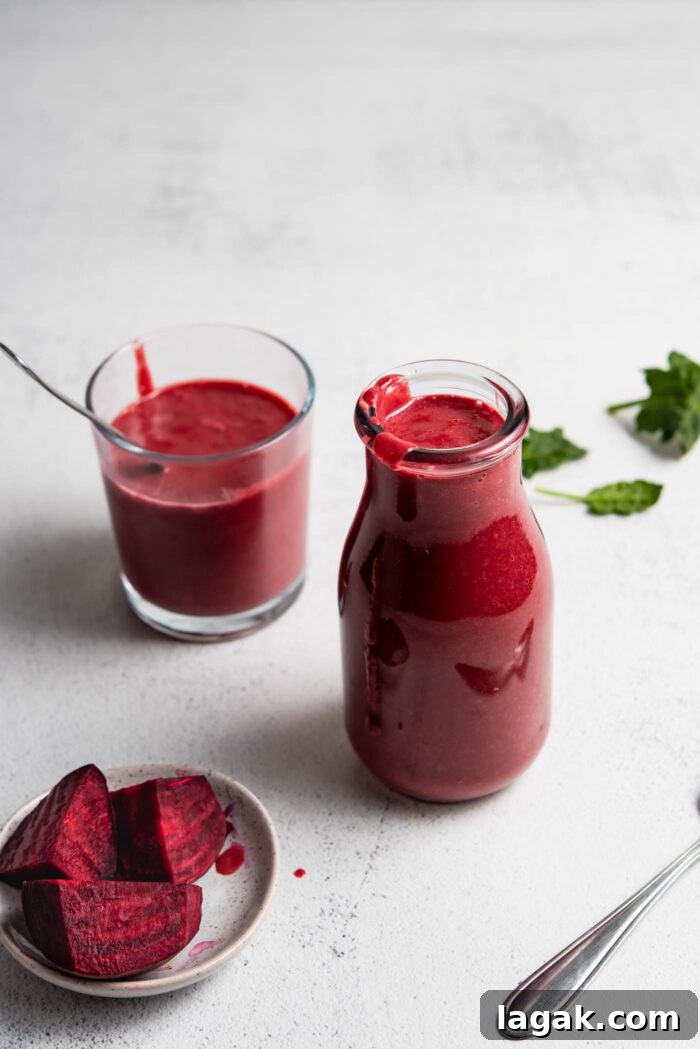
Beets are colourful and nutrient-rich, supplying vitamin C, fibre, folate, manganese and antioxidants. They add natural sweetness and a vibrant hue to smoothies.
Taste
Sweet and earthy; a pleasant addition that also enriches colour.
How to Use Beets in Smoothies
- Use raw or cooked, peeled or unpeeled (wash well if keeping the skin).
- If your blender isn’t very powerful, grate raw beets or cook them first by steaming, boiling or roasting.
- Prep by steaming chopped beets and freezing them on a tray for easy storage.
- Pairs well with berries, orange, ginger and carrots.
Beet Smoothie Recipes
- Strawberry Beet Smoothie Bowl
- Beet Orange Smoothie
Cauliflower
Cauliflower is a highly nutritious vegetable that blends into smoothies to add creaminess and nutrients without a strong flavor. A serving provides a large portion of your daily vitamin C and also supplies vitamins K and B-complex, fibre, protein and several minerals.
Taste
Slightly more pronounced than zucchini but still mild; usually masked by fruit and other ingredients.
How to Use Cauliflower in Smoothies
- Use it to replace part of the fruit for fewer sugars while keeping a creamy texture.
- Lightly steaming before freezing can improve digestibility, though raw florets also work.
- Prep by chopping into florets, steaming briefly, then freezing for easy use.
- Add up to 1 cup to smoothies; pair with sweet fruits like berries, mango and pineapple to balance its mild flavor.
Carrot
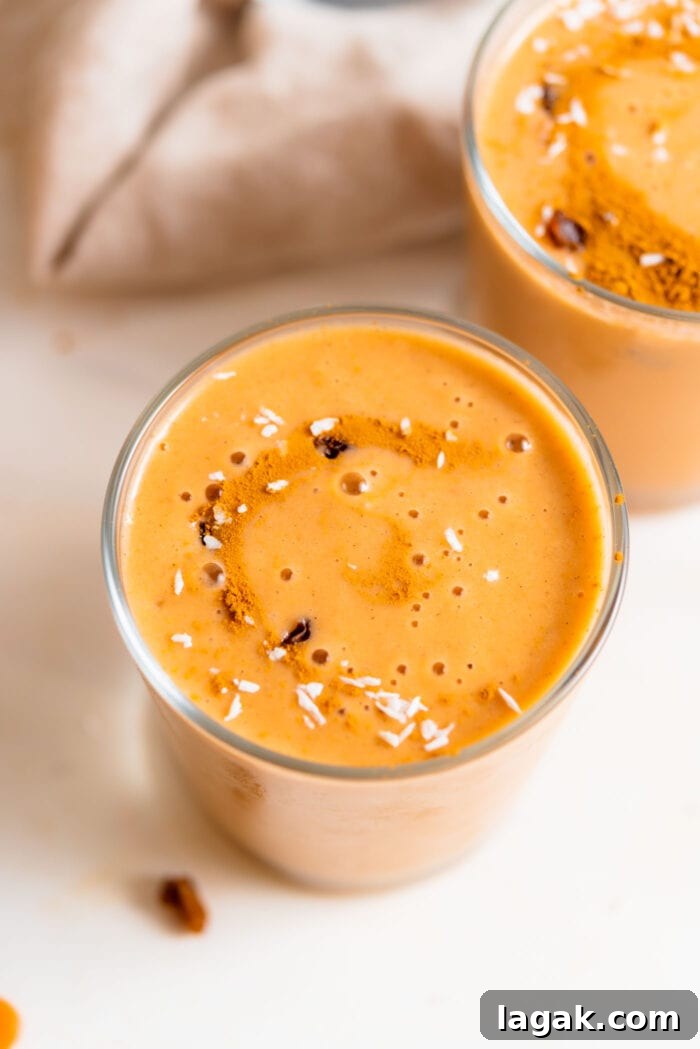
Carrots are packed with beta-carotene, fibre, vitamin A, vitamin C and several minerals. Their natural sweetness and texture make them a classic smoothie vegetable.
Taste
Distinctly sweet and earthy—think carrot cake flavors when combined with warming spices and dates.
How to Use Carrot in Smoothies
Carrots can be used raw or cooked. If using raw, grate or chop finely unless you have a high-powered blender. Lightly steaming or roasting carrots before freezing yields a softer texture that blends smoothly. You can also puree cooked carrot and freeze in ice cube trays for convenient portions.
Quick Tip: Blend carrots with a little water to make carrot juice, then use that as the liquid base for a nutrient-rich smoothie.
Carrot Smoothie Recipes
- Carrot Ginger Turmeric Smoothie
- Carrot Cake Smoothie
Sweet Potato
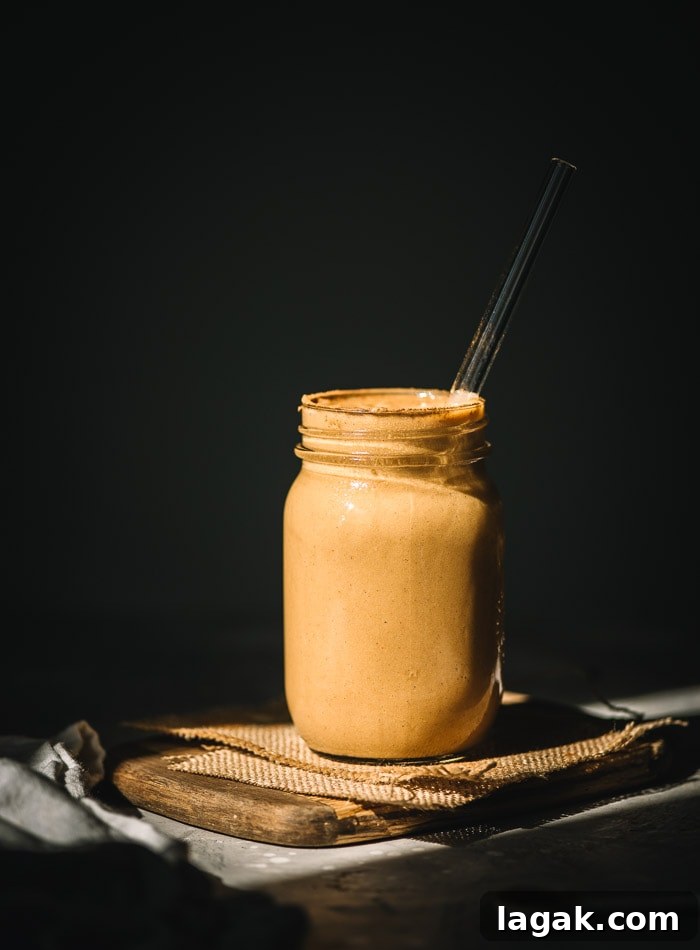
Sweet potatoes are nutrient-dense, supplying vitamin A, vitamin C, potassium, iron and magnesium. Cooked sweet potato adds a rich, creamy texture and gentle sweetness to smoothies.
Taste
Slightly sweet and luxuriously creamy, similar to pumpkin or pie fillings when spiced.
How to Use Sweet Potato in Smoothies
Cooked and frozen sweet potato chunks are one of the most versatile additions—use them in post-workout smoothies or sweet, dessert-like blends. Bake or roast several sweet potatoes during weekly meal prep, cube and freeze for easy use. Sweet potato pairs well with mango, ginger, banana, dates, cinnamon, orange and nut butters.
Sweet Potato Smoothie Recipes
- Healthy Orange Smoothie
- Low-Sugar Chocolate Avocado Smoothie Bowl
- Sweet Potato Smoothie
- Banana Nice Cream
Leafy Greens
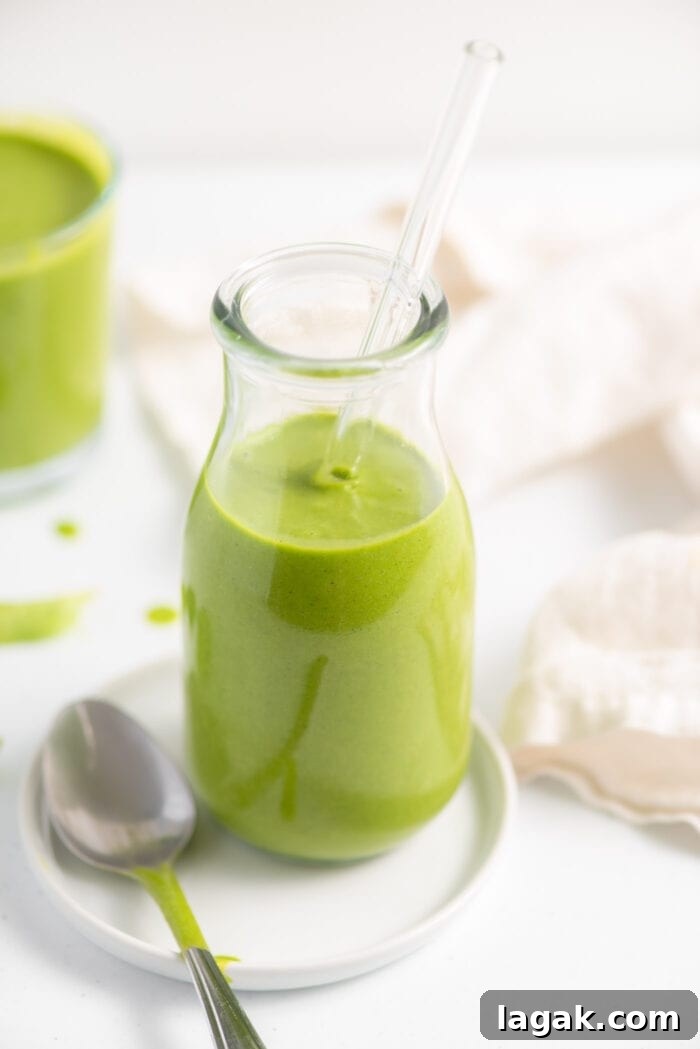
Leafy greens like spinach, kale, chard and romaine are foundational smoothie ingredients. They’re rich in nutrients, fibre and antioxidants and support cardiovascular and overall health. Adding a handful of greens to any smoothie is an effortless way to boost nutrition.
Taste
Mild overall, though large amounts can introduce bitterness. Usually, their high water content and pairing with fruit make them barely noticeable.
How to Use Leafy Greens in Smoothies
Use fresh or frozen greens; add a handful to most smoothies for a nutrient lift. Spinach is especially mild, while kale has a sturdier flavor—both blend well with fruit, nut butters and plant-based milks.
Green Smoothie Recipes
- Kale Spinach Smoothie
- Mango Pineapple Smoothie
- Mixed Berry Smoothie
- Green Monster Smoothie
- Chocolate Banana Smoothie
What Else to Add to Smoothies?
If you want more ideas, consider adding superfoods, seeds, nuts, nut butters, protein powders or natural spices to amplify nutrition and flavor. Building smoothies with a balance of vegetables, fruit, healthy fats and protein creates satisfying, nutrient-dense meals or snacks.
Protein Smoothies eBook
If you’re ready to explore more smoothie recipes, an eBook or recipe collection focused on protein-rich smoothies can be a helpful resource, offering structured recipes and tips for creating balanced, delicious blends.