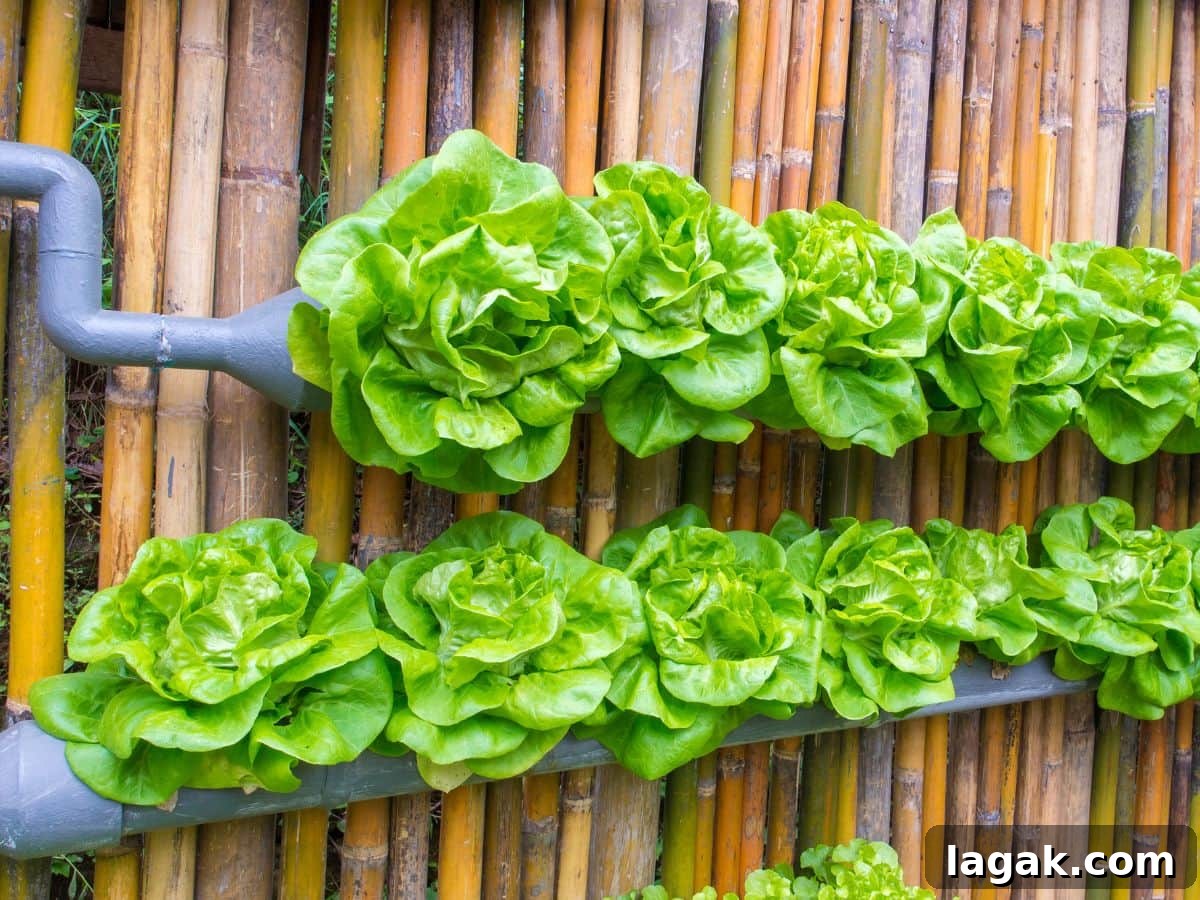
No backyard for a traditional vegetable garden? No problem.
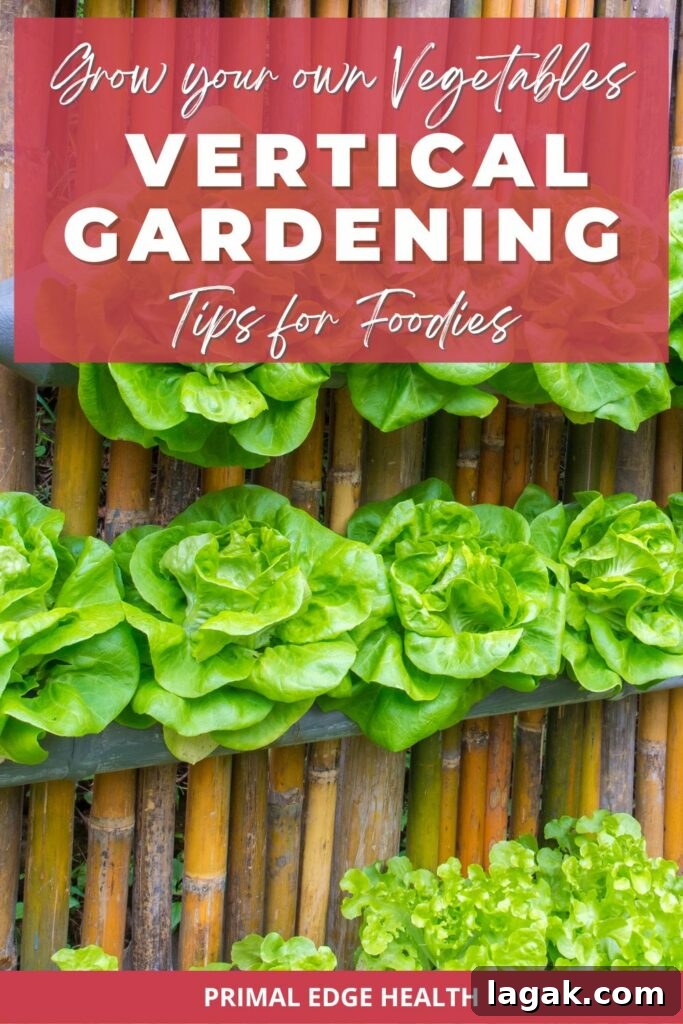
Vertical gardening lets you grow fruits, vegetables, and herbs upward, giving you fresh ingredients for cooking no matter how limited your space.
Jump To:
What is Vertical Gardening?
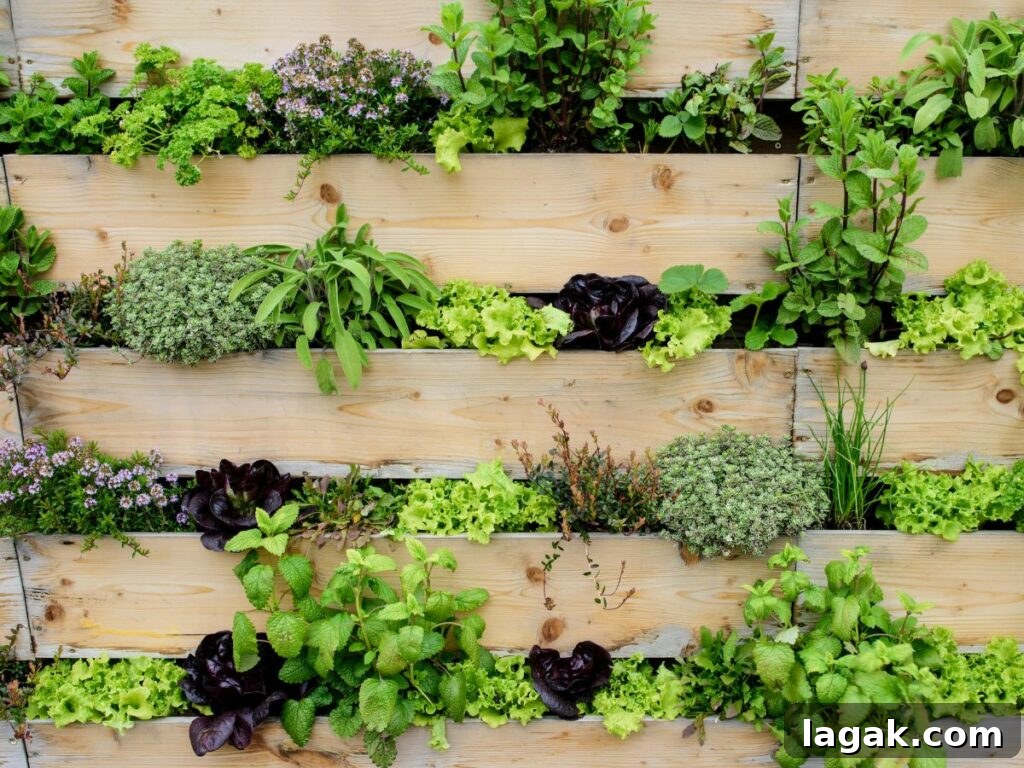
Vertical gardening is a way to grow plants upright—indoors or outdoors—using pots, hanging baskets, trellises, shelves, or wall planters that let you build upward instead of outward.
You can try vertical gardening anywhere that has vertical room, including:
- balconies
- windowsills
- patios
- indoor shelves
- planters on interior or exterior walls
- fences with attached planters
- hanging baskets and wall-mounted pockets
Benefits of Vertical Gardening
Vertical gardening offers many advantages for home cooks who want fresh herbs and vegetables on hand.
Fresh herbs elevate dishes such as mint cocktails, creamy sauces, and herb-crusted appetizers, and having them close by makes it easy to add bright, aromatic flavors to meals.
Space Saving
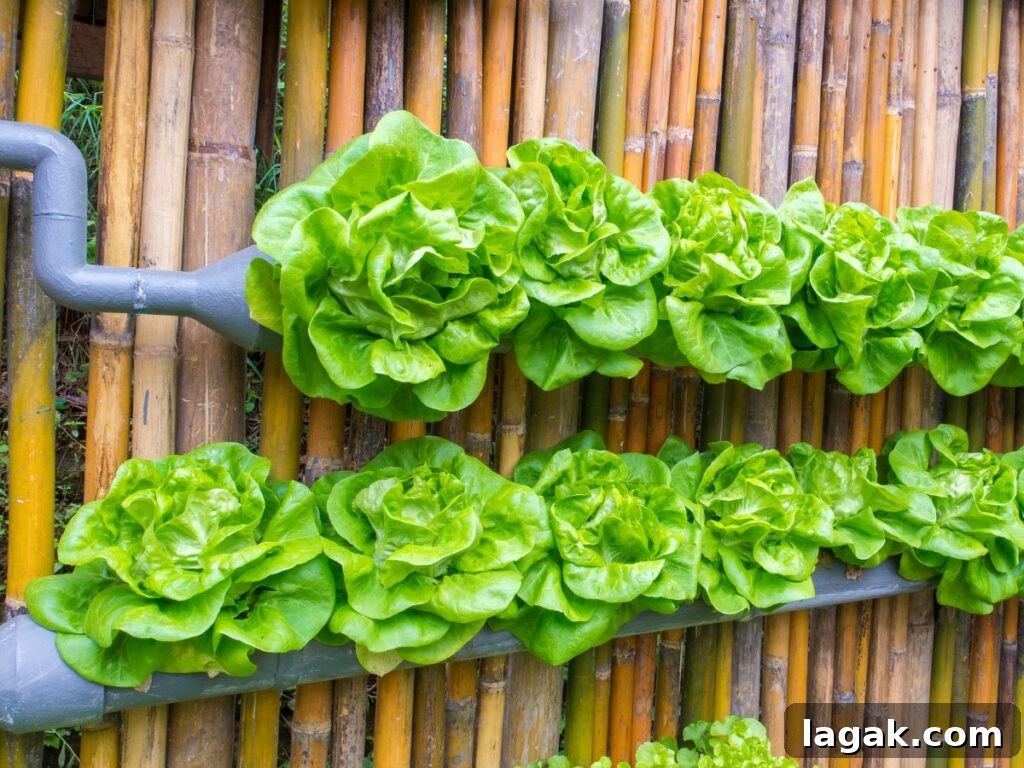
Growing upward uses space that would otherwise be unused. Hanging baskets, wall planters, or stacked pots free floor and table area while still producing a generous harvest.
This approach makes it possible to grow vegetables, herbs, fruits, and even edible flowers in tight urban spaces.
Cost Effective
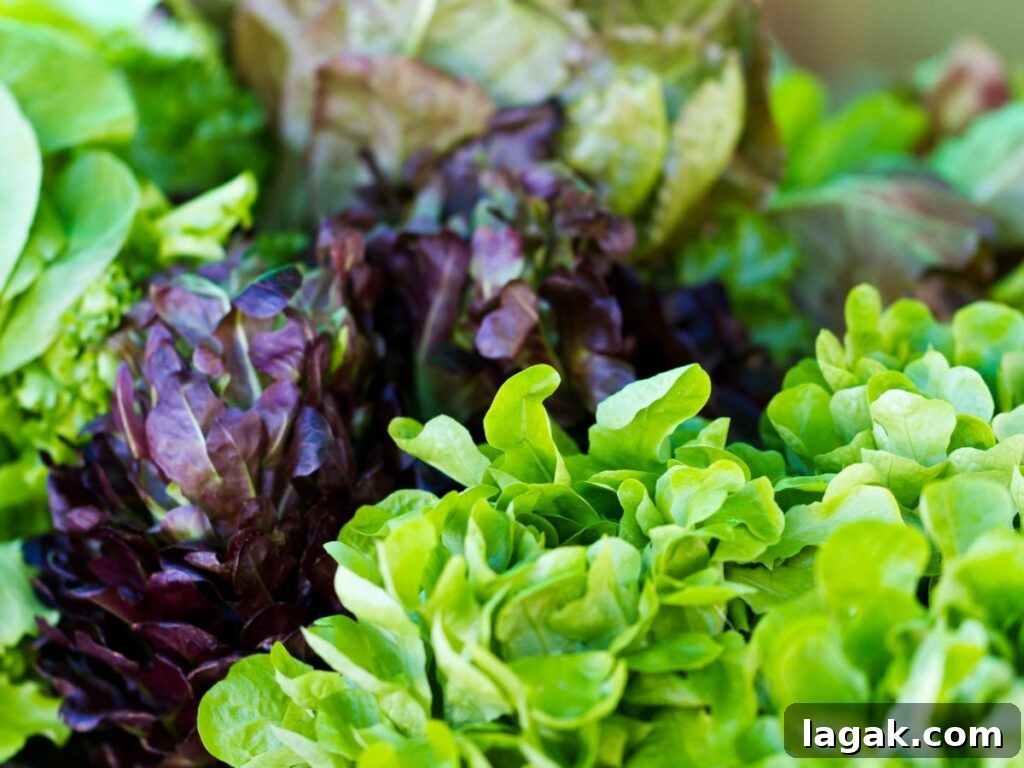
Start plants from seeds or cuttings to keep costs low, save seed from heirloom varieties, and stagger plantings to maintain a steady supply of greens. Over time, a small vertical garden can significantly reduce grocery spending.
Fresh Produce Daily
With plants at your door or window, you can harvest pesticide-free, organic produce as needed, skipping some supermarket trips and enjoying peak-flavor ingredients.
Easy Maintenance
Vertical gardens reduce bending and kneeling—many containers sit at waist height—so routine tasks like watering, pruning, and harvesting are easier and gentler on your body.
7 Tips for Growing a Great Vertical Garden
Follow these practical tips to plan and maintain a productive vertical garden.
Search for Sun
Pick a location with good sunlight but some protection from harsh winds. Most edible plants need several hours of direct sun; sheltered south- or west-facing walls, balconies, and patios often work well.
Soil Matters
Use a high-quality potting mix formulated for containers and boost fertility with compost or well-rotted organic material. Good soil retains moisture and nutrients while providing adequate drainage.
Consider Your Climate
Choose varieties suited to your hardiness zone and the local microclimate—hot, sunny terraces favor Mediterranean herbs like rosemary and thyme, while cooler, shaded spots suit lettuces and leafy greens.
Set Up a Support System
Install trellises, stakes, or cages for vining and heavy plants. A sturdy support system prevents damage and helps maximize vertical space without stress on the plants.
Groom and Water Regularly
Container-grown plants dry out faster, so water consistently and check moisture often. Regular pruning and harvesting keeps plants productive and prevents them from becoming top-heavy.
Make Your Own Fertilizer
Organic fertilisers and homemade plant foods support healthy growth. Use balanced, natural feeds and compost teas sparingly to replenish nutrients without chemicals.
Plant What You Eat
Focus on crops your household will use to avoid wasted time and space. Herbs like basil, cilantro, and mint, and vegetables such as tomatoes, peppers, lettuces, and strawberries are especially well-suited to containers and vertical setups.
- Peppers (all varieties)
- Tomatoes
- Lettuces
- Strawberries
- Most culinary herbs
Final Word
Vertical gardening is a practical, sustainable way to grow organic herbs, fruits, and vegetables even with limited outdoor space. It delivers fresh, flavorful ingredients for everyday cooking while saving space and making maintenance easier.
To begin, choose suitable seeds or seedlings, gather basic supplies, and apply these tips to build a productive vertical garden. Share your successes to inspire others to grow their own food close to home.
Sarita Harbour is a homeschooling, homesteading mom and a long-time business and finance writer. She created An Off Grid Life to help people become more self-reliant and lives off the grid in Canada’s Northwest Territories.