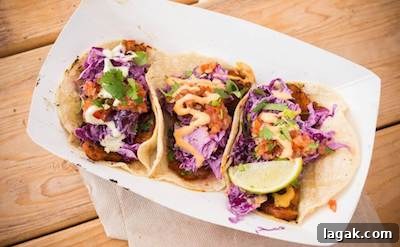
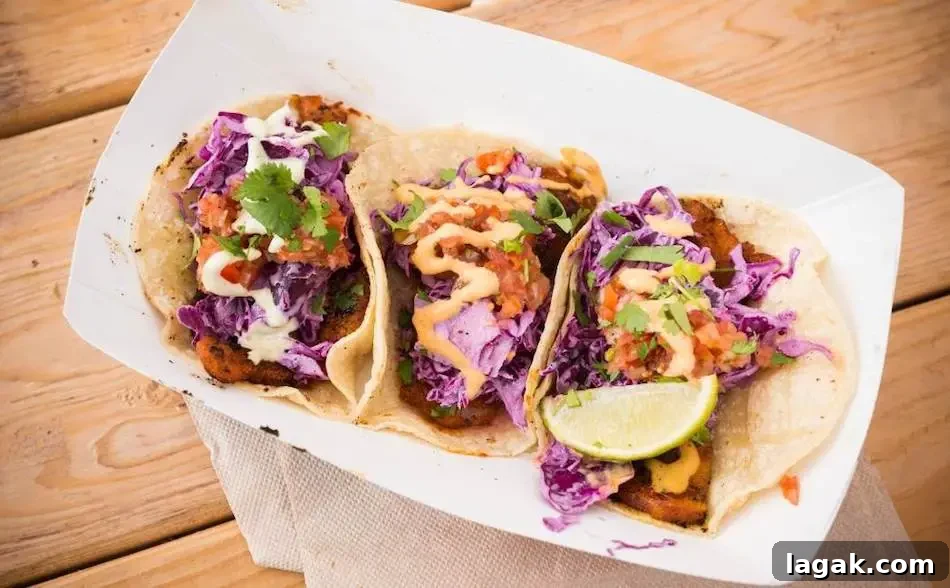
Brisket and tacos are an outstanding pairing. The deep, smoky richness of freshly smoked brisket complements the warm, simple comfort of traditional tacos. The contrast of tender meat and vibrant toppings makes these tacos irresistible. This recipe showcases how to turn smoked brisket into flavorful tacos. For best results use freshly smoked brisket—its tenderness and smoky aroma will shine. Shred or thinly slice the brisket and top with classic taco garnishes like diced onion, cilantro, a squeeze of lime, and your preferred additions.
Smoked Brisket Tacos
Smoked brisket, shredded and served as tacos.
10 minutes
10 hours
30 minutes
10 hours 40 minutes
Ingredients
- 1 tbsp chili powder
- 1/2 tsp red pepper flakes
- 1/4 tsp cayenne pepper
- 1 tbsp paprika
- 1 tsp chipotle pepper
- 1 tsp oregano
- 1 tbsp cumin powder
- 1 tbsp granulated garlic
- Tortillas
- Avocados
- Lime juice
- Coriander
- Salt and pepper
- Cilantro
- Red onion
- Cheese
- Tomatoes
- Jalapeños
- Sour cream
Instructions
Mexican Rub
Combine chili powder, red pepper flakes, cayenne, paprika, chipotle, oregano, cumin and granulated garlic in a bowl. Mix well and set aside.
Brisket Preparation
1. Trim the brisket, leaving about 1/4 inch of fat on top. Remove any silver skin from the underside.
2. Lightly brush the brisket with olive oil to help the rub adhere.
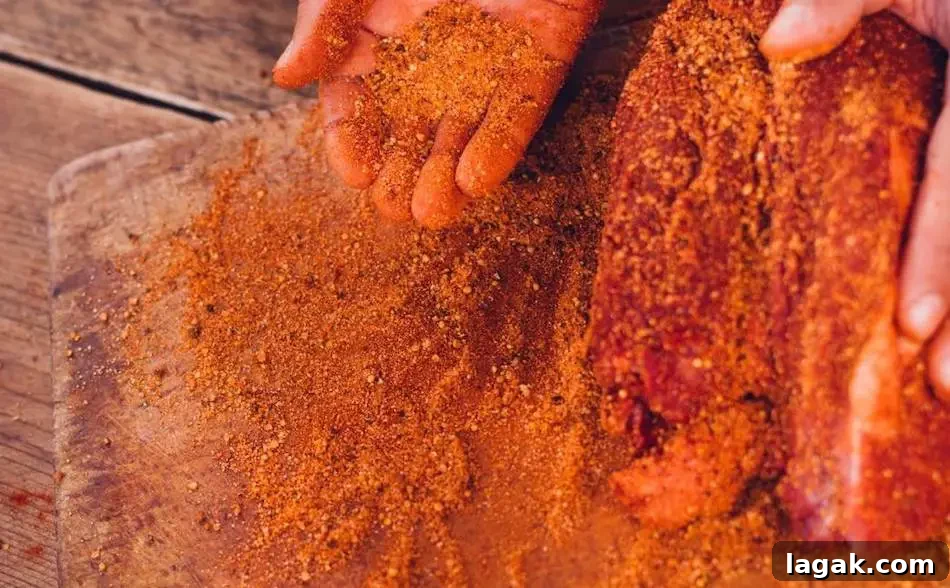
3. Cover the brisket evenly with a generous layer of the Mexican rub.
4. Preheat your smoker to 225°F (about 107°C).
5. If using a charcoal smoker, add pieces of hickory, pecan, oak or another preferred smoking wood.
6. Place the brisket on the smoker with the fat side down if the heat source is below; otherwise place fat side up.
7. Let the brisket smoke undisturbed for about 3 hours to develop smoke and color.
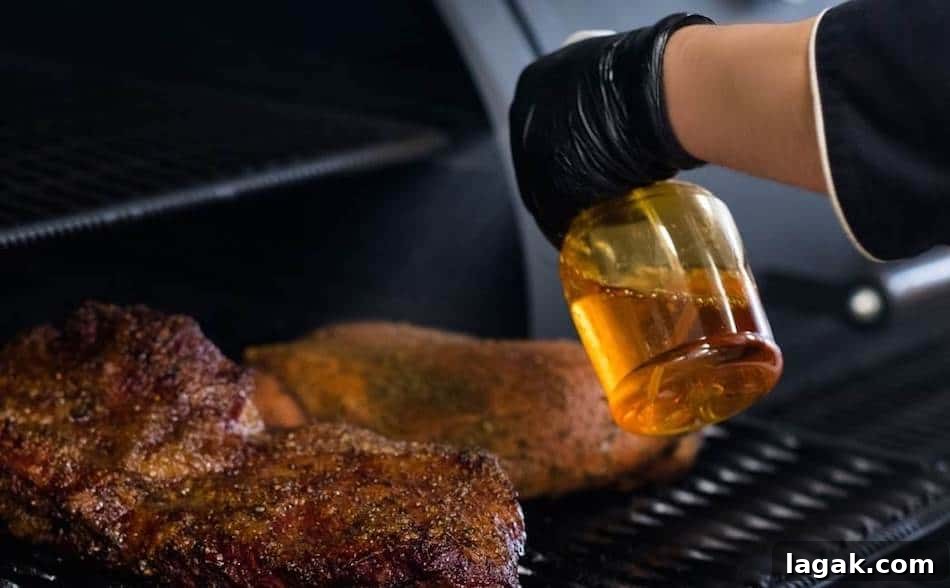
8. Once the bark begins to form and harden, spritz the brisket every hour with apple cider vinegar to maintain moisture and build flavor.
9. When the bark is set and the internal temperature reaches above 160°F, wrap the brisket tightly in foil (or butcher paper if you prefer a crisper bark).
10. Insert a probe thermometer through the wrapping into the thickest part of the meat.
11. Continue cooking until the internal temperature reaches approximately 203°F and the meat is tender.
12. Remove the brisket and let it rest, wrapped, for about 1 hour to allow juices to redistribute.
13. Shred the point and slice the flat. Warm tortillas, then assemble tacos with brisket and toppings such as avocado, lime juice, coriander, cilantro, diced red onion, cheese, tomatoes, jalapeños and sour cream. Season to taste with salt and pepper.
Nutrition Information:
Amount Per Serving:
Calories: 240
Traditional Mexican Tacos: Tips and Tricks
Below are practical tips for making authentic, traditional Mexican tacos at home.
- Use traditional ingredients: Corn tortillas, fresh cilantro, lime, and authentic Mexican chilies give tacos their signature flavor.
- Choose the right meat: Beef, pork, chicken or fish work well. Marinate with chilies, spices and citrus for depth.
- Avoid excessive cheese: Traditional street tacos usually don’t include cheese, so keep toppings simple.
- Use a comal or griddle: Heating tortillas and cooking meats on a comal gives a classic texture and flavor.
- Keep toppings focused: Diced onions, cilantro and salsa highlight the meat rather than overpower it.
- Use fresh ingredients: Fresh herbs, vegetables and citrus make a big difference in flavor.
- Respect proportions: Let the tortilla be the base; toppings should be balanced with the size of the tortilla.
- Keep it simple: Traditional tacos shine when the core ingredients are fresh and well-prepared.
Regional variations exist across Mexico, so use these guidelines as a starting point and adapt to local styles or personal preference.
| Traditional Taco Ingredients | Quantity |
|---|---|
| Protein (beef, chicken, pork, fish or tofu) | 1 lb |
| Diced onions | 1/2 cup |
| Diced tomatoes | 1/2 cup |
| Chopped cilantro | 1/4 cup |
| Vegetable oil | 1 tbsp |
| Corn tortillas | 8-12 |
| Salt | to taste |
| Pepper | to taste |
| Lime wedges | for garnish |
| Instructions for Traditional Tacos |
|---|
| 1. Heat oil in a skillet over medium-high heat. Cook the protein for about 5–7 minutes or until done. |
| 2. Add onions and tomatoes; cook another 2–3 minutes. |
| 3. Season with salt and pepper to taste. |
| 4. Stir in cilantro. |
| 5. Warm tortillas on a skillet or comal for about 30 seconds per side. |
| 6. Assemble tacos by spooning the protein onto each tortilla and topping with diced onions and cilantro. |
| 7. Serve with lime wedges. |
American vs. Traditional Mexican Tacos
Traditional Mexican tacos and Americanized versions differ in several key ways:
- Meats: Mexican tacos often feature marinated cuts like carne asada, carnitas, al pastor or fish, while American tacos frequently use seasoned ground beef or shredded chicken.
- Tortillas: Corn tortillas are typical in Mexico; flour tortillas are more common in American adaptations.
- Toppings: Mexican tacos are simple—onion, cilantro, lime and salsa. American tacos often add cheese, lettuce and sour cream.
- Presentation: Traditional tacos emphasize the meat and a few fresh toppings, while American styles tend to layer multiple ingredients and sauces.
Both styles are delicious; the choice comes down to the flavor profile and texture you prefer.
The Tex-Mex Fusion
Tex-Mex and BBQ fusion blends American smoking techniques with Mexican flavors. A popular example is the smoked brisket taco: brisket cooked low and slow, then served in a tortilla with cilantro, onion and lime. Mexican spices—chipotle, cumin or oregano—often appear in rubs or sauces for a smoky, savory hybrid. Tex-Mex cuisine has emerged from these crossovers, giving us dishes like chili con carne, fajitas and BBQ-inspired tacos.
Brisket Needs Time
Smoking brisket is a slow process but patience pays off. Large briskets can take 8–12 hours or more. Low and slow cooking (225–250°F) breaks down connective tissue into gelatin, producing tender, juicy meat. A rough guideline is about 1 hour per pound, but always use an internal thermometer—finished brisket often reaches 190–205°F for ideal tenderness.
The Rub and Seasoning
The main difference between a regular smoked brisket and one meant for tacos is the seasoning. Store-bought taco seasonings work, but making your own lets you control salt and heat. A good rub enhances flavor and helps form the bark—the crispy, flavorful exterior that many consider the best part of smoked brisket. You can use a classic salt-and-pepper approach or a Mexican-style rub for tacos.
Salt and Pepper
Start with a generous layer of coarse salt and black pepper. Many pitmasters season with salt and pepper separately to let the salt penetrate the meat. Use kosher salt rather than fine table salt, and consider a coarse black pepper (16-mesh) for strong texture in the bark.
Mexican Brisket Rub
Making your own Mexican-style rub is simple and effective. Check salt levels if using a pre-made blend to avoid over-salting.
| Ingredient | Quantity |
|---|---|
| Chili powder | 1 tbsp |
| Red pepper flakes | 1/2 tsp |
| Cayenne pepper | 1/4 tsp |
| Paprika | 1 tbsp |
| Chipotle pepper | 1 tsp |
| Oregano | 1 tsp |
| Cumin powder | 1 tbsp |
| Granulated garlic | 1 tbsp |
| Onion powder | 1 tsp |
| Kosher salt | 1 tbsp |
| Ground black pepper | 1 tbsp |
Prepping The Brisket
- Leave roughly 1/4 inch of fat to protect the meat during the cook.
- Remove the silver skin from the underside.
- Optional: use a binder like olive oil or mustard to help the rub adhere and create even bark.
- Apply salt and pepper, then the Mexican seasoning, covering all surfaces.
Fire Up Your Smoker
- Preheat the smoker to 225–250°F and keep it steady throughout the cook.
- Use hickory, oak, pecan or similar woods for charcoal smokers; with pellets pick a mild wood—avoid heavy mesquite that can become bitter.
- Place the brisket on the grate when you have steady smoke. Position fat side down if the heat source is below; otherwise fat side up.
- Insert a probe thermometer into the thickest section and avoid opening the lid frequently—keeping it closed preserves stable temperature and smoke.
Develop a Bark
Early in the cook the goal is to develop a flavorful bark: a crust of seasoned, dehydrated meat and fat infused with smoke. For tacos, a balance of tender meat and bits of bark adds texture and flavor.
Spritzing
Spritz brisket with apple cider vinegar or apple juice after the rub has set—typically after about 4 hours. Spritzing every 45–60 minutes helps slow the cook, prevent burning and maintain moisture. Wait until the rub has adhered so you don’t wash it away.
Wrapping
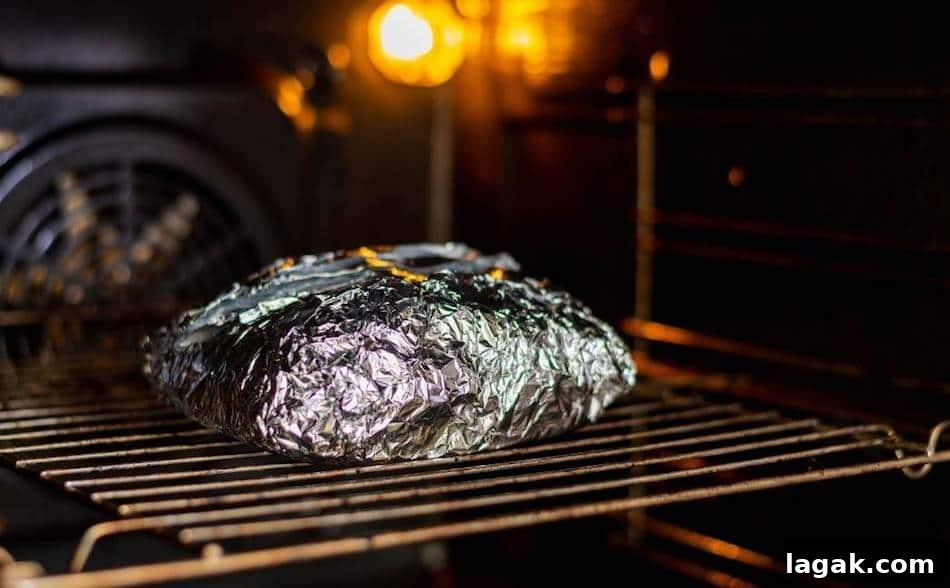
Wrapping speeds the cook and prevents drying. Use aluminum foil for faster, moister results or butcher paper if you prefer a crisper bark—paper lets the meat breathe. Wrap when the bark is established and internal temp is roughly 150–160°F, then return to the smoker or finish in the oven until done.
Done Temperature
Brisket is often finished around 203°F, but temperature alone isn’t the only indicator. Probe the meat—when the thermometer slides in like it’s going through butter, the brisket is tender and ready. If there’s resistance, cook longer.
Resting
Resting is essential. Let the brisket rest wrapped for at least 1 hour so the meat reabsorbs juices. For longer holding, place the wrapped brisket in a dry cooler with towels; it can stay hot for several hours if it remains above safe temperatures. Many pitmasters hold briskets in coolers for 4–8 hours before slicing.
Slicing and Shredding
Separate the brisket into the point and the flat along the natural seam. For tacos, shredding the point and thinly slicing the flat gives a good mix of textures. Only slice or shred what you need to keep the remaining meat juicier during storage.
Brisket Time Planner
Plan your cook since brisket smoking is a long process.
| Brisket Total Cook Time | Start Time | Begin Spritzing | Wrap Brisket | Finish in Oven | Done Time (203°F) | Holding Time In Dry Cooler (1-4 hours) |
| 12 hours | 6pm | 9pm | 12am | 12am | 6am | 7am–10am |
| 15 hours | 5pm | 8pm | 11pm | 11pm | 8am | 9am–12pm |
| 18 hours | 2pm | 5pm | 8pm | 8pm | 8am | 9am–12pm |
My Favorite Brisket Tools
Thanks for reading. Below are some commonly recommended tools for smoking brisket that many backyard pitmasters find useful.
- Meat injector: Useful for adding moisture and flavor deep into the meat.
- Brisket injection/marinade: Competition-style injections add flavor and help retain moisture.
- Butcher paper: Unwaxed, food-grade butcher paper preserves a crisp bark while protecting the meat.
- Brisket rub: Make your own rub or keep reliable pre-made blends on hand for convenience.
- Meat thermometer: A reliable dual-probe thermometer is essential to monitor both smoker and meat temperature.
- Instant-read thermometer: Fast, accurate instant-read tools help test tenderness across different areas.
- Advanced thermometer/controller: For those who want precise control, multi-channel Bluetooth/Wi‑Fi thermometers and automatic controllers simplify long cooks.