In this vodcast I discuss how to master aerobic fermentation—fermentation that relies on exposure to air. While many home fermenters think first of lacto-fermentation (vegetables submerged under brine to allow lactic acid bacteria to transform them), aerobic fermentations follow a different two-step path that depends on oxygen and acetic acid bacteria.
These conversational vodcasts are part of the Traditional Foods Kitchen Academy membership on my YouTube channel, where Kitchen Pioneers can access extended videos and behind-the-scenes content.
Affiliate note: I may earn a small commission when purchases are made through affiliate links included in my content. This does not change the price you pay.
Table of Contents
- Is Aerobic Fermentation Really Fermentation?
- Fermenting with Air?
- Step 1: Making Alcohol
- Step 2: Making Vinegar
- Art of Fermentation Member Series
- Aerobic Fermentation Recipes
- The Modern Pioneer Cookbook
- The Modern Pioneer Pantry
- Join the Traditional Foods Kitchen Academy
- More Kitchen Pioneer Videos
- Shop for items used in this post
Is Aerobic Fermentation Really Fermentation?
When most people hear “fermentation” they picture lacto-fermentation: vegetables packed under brine, weighted down, and left to create lactic acid over time. Classic examples include sauerkraut and many kinds of pickles. That anaerobic environment favors lactic acid bacteria and yields tangy, nutrient-rich ferments.
Fermenting with Air?
Calling a process “aerobic fermentation” sounds contradictory, because fermentation is technically an anaerobic process. However, the term is commonly used to describe the two-stage process that produces vinegar. In practice this means:
- Create alcohol through alcoholic fermentation.
- Convert that alcohol to acetic acid (vinegar) through exposure to acetic acid bacteria.
Acetobacter and related bacteria require oxygen to oxidize alcohol into acetic acid, so making vinegar intentionally involves air exposure during the second stage.
Step 1: Making Alcohol
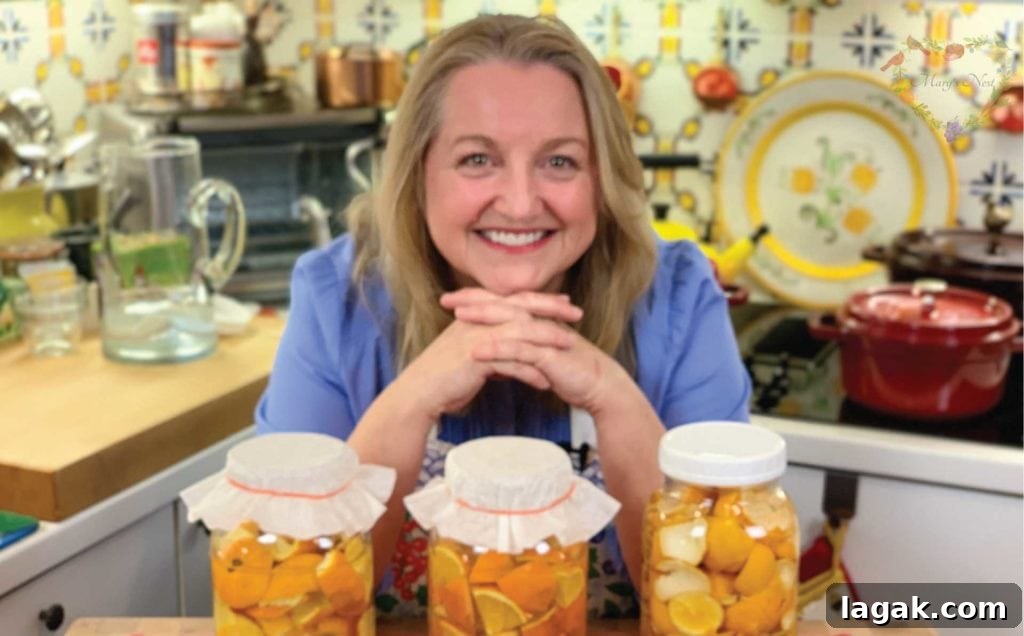
About a week into fermenting towards vinegar you may notice a yeasty or beer-like smell. That scent comes from yeast converting the natural sugars in the fruit, vegetable scraps, or grains into alcohol. This step—alcoholic fermentation—is the same basic chemical process used to make beer and wine.
When beverage producers want to preserve an alcohol at a particular stage, they bottle it to limit oxygen exposure. If alcohol remains exposed to air, acetic acid bacteria will gradually convert it into vinegar. If you’ve ever left an opened bottle of wine and noticed it turn sour, that’s acetic fermentation at work.
Step 2: Making Vinegar
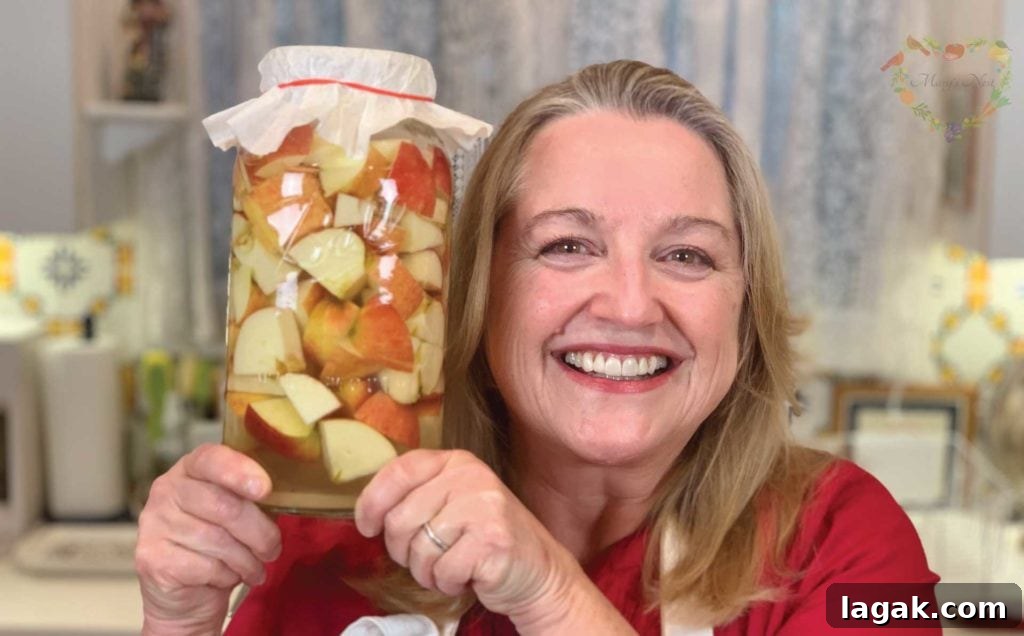
To intentionally make vinegar, you allow the alcohol-rich liquid to remain exposed to air so acetobacter can colonize and oxidize ethanol into acetic acid. These bacteria are naturally present in the environment and on produce. The combined presence of oxygen and acetobacter drives acetification and produces vinegar with distinct flavors depending on the original ingredient—apples, fruit scraps, citrus peels, or other sources of sugar.
Keeping the ferment clean, monitoring for off smells, and allowing sufficient time will yield a pleasant, tangy vinegar suitable for culinary and household use.
Art of Fermentation Member Series
If you’re following my Mastering the Art of Fermentation series, be sure to review Parts 1 and 2. Part 2 covers anaerobic fermentation in depth, including troubleshooting common issues and practical tips so you can consistently make successful ferments.
- How to Master the Art of Fermentation – Part 1 – Overview
- How to Master the Art of Fermentation – Part 2 – Anaerobic Fermentation
Aerobic Fermentation Recipes
Once you understand the science, making homemade vinegars is straightforward. Popular options include raw apple cider vinegar, fruit scrap vinegar, and citrus vinegar. Each starts with alcoholic fermentation, then transitions to acetic fermentation by exposing the alcohol to air and allowing acetobacter to develop.
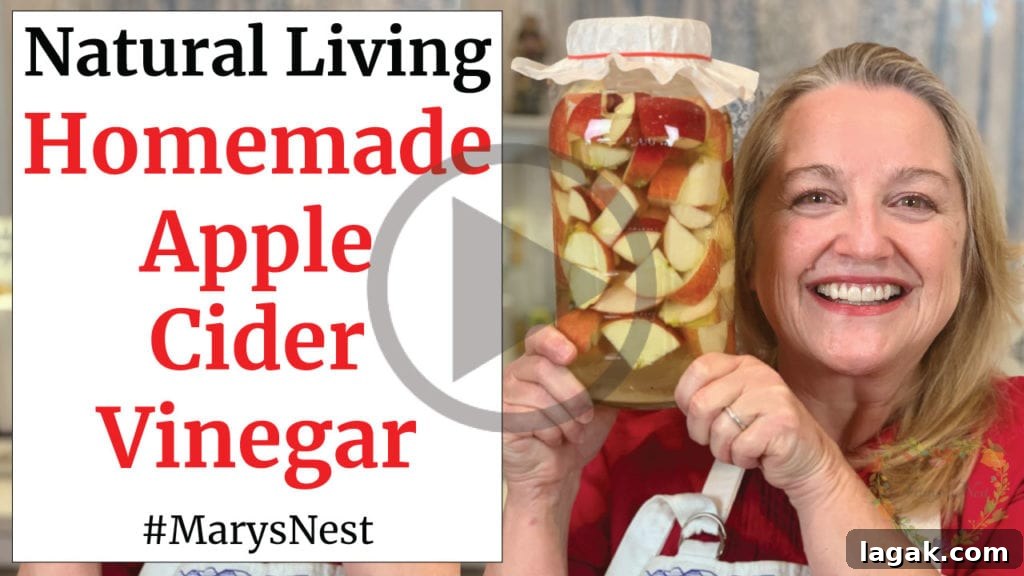
- How to Make Homemade Apple Cider Vinegar with the Mother – DIY from scratch
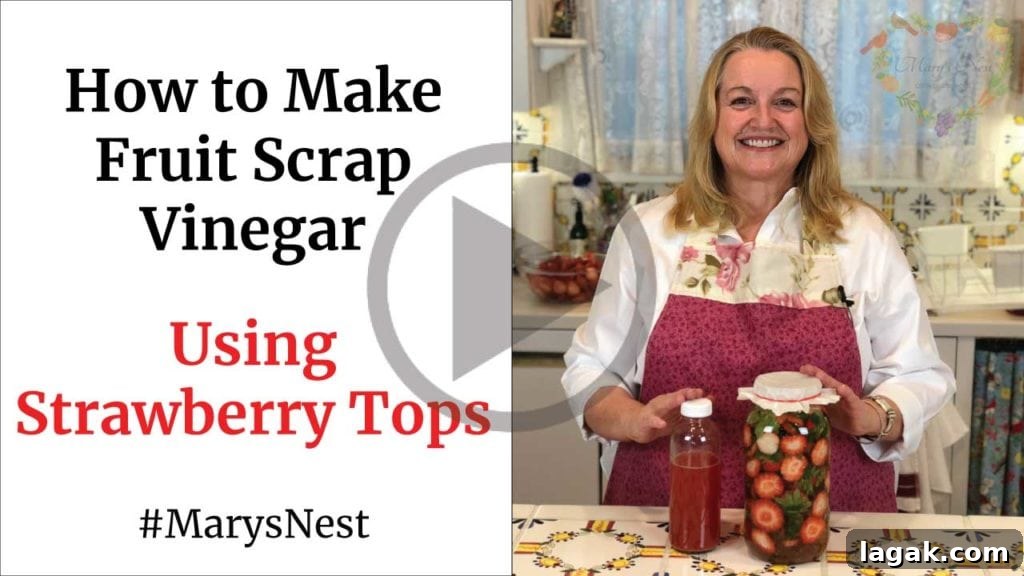
- How to Make Fruit Scrap Vinegar using strawberry tops and other kitchen scraps
If you enjoy scented household cleaners, try making infused vinegar cleaners at home. The process follows the same basic vinegar-making steps but uses aromatic plant material such as pine, cypress, or other evergreen scraps to infuse scent into finished vinegar.
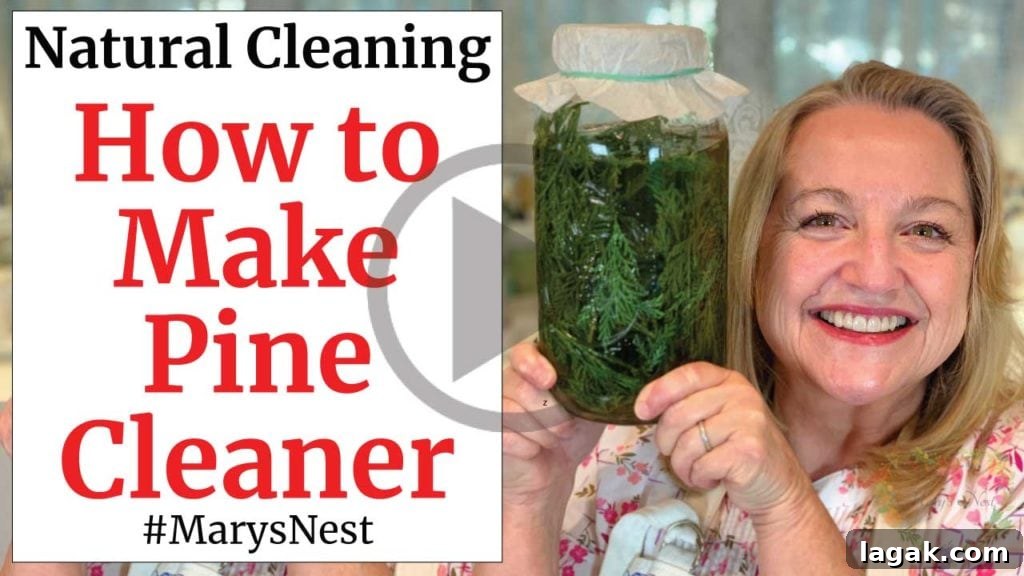
- How to Make Pine (or Cypress) Cleaner – Homemade cleaning products

Order YOUR COPY Now!
The Modern Pioneer Cookbook
Seasonal ingredients and traditional techniques combine in more than 85 from-scratch recipes to help you cook the modern pioneer way. Learn simple, nourishing methods that make traditional food preparation approachable in a modern kitchen.

Order YOUR COPY Now!
The Modern Pioneer Pantry
Over 100 recipes focus on preserving food and transforming pantry staples into nourishing meals. Build a practical, traditional pantry and learn timeless methods for storing and cooking food for your household.
Join the Traditional Foods Kitchen Academy
Extended vodcasts and members-only videos are available to Kitchen Pioneers in the Traditional Foods Kitchen Academy. Membership is optional; I continue to publish weekly instructional videos on the public YouTube channel for anyone to watch.
More Kitchen Pioneer Videos
Members enjoy special benefits such as a badge next to their name in comments and direct interaction in the community. If you like deeper dives into traditional techniques, the membership offers detailed guidance and troubleshooting advice.

- How to Make Successful Ferments
Shop for items used in this post
Favorite Fermentation Supplies
- pH strips for monitoring acidity
- Half-gallon canning jars and lids
- Fermentation weights and lids designed for home ferments
Favorite Kitchen Supplies
- Chef’s knife and a robust cutting board
- Cast iron skillet and a reliable stock pot
- Measuring cups, spoons, and glass storage containers
Recommended Reading
- The Modern Pioneer Cookbook
- The Modern Pioneer Pantry
- Classic fermentation guides for deeper study of technique and safety
Fermentation Books
- Wild Fermentation and other titles that explore live-culture foods
- Comprehensive guides to fermentation techniques and recipes