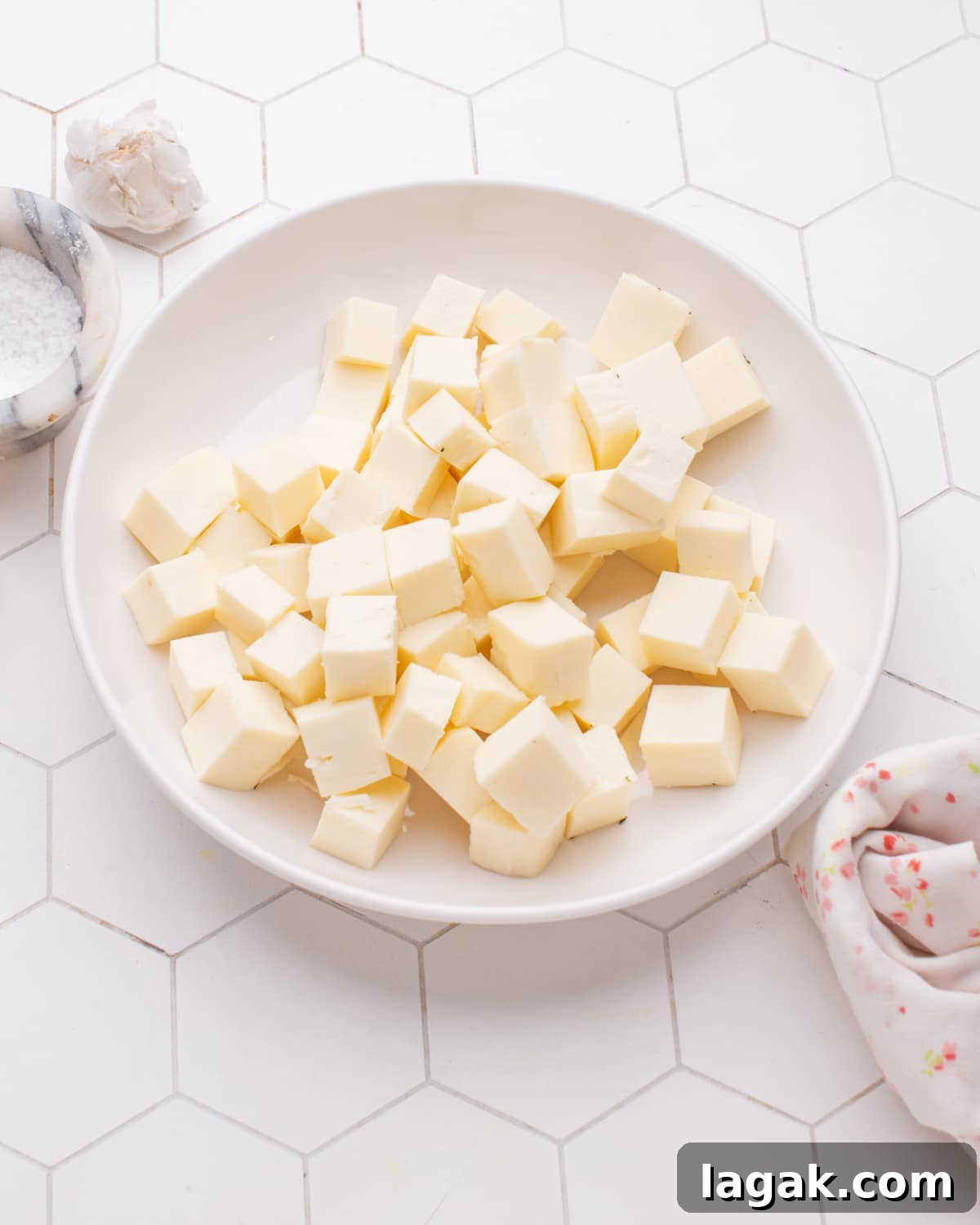
Wondering how to make paneer at home? You’re in the right place. This straightforward homemade paneer recipe uses just three ingredients, takes about ten minutes of hands-on time, and requires no special skills. Below is a clear, step-by-step guide to making fresh paneer from milk at home.
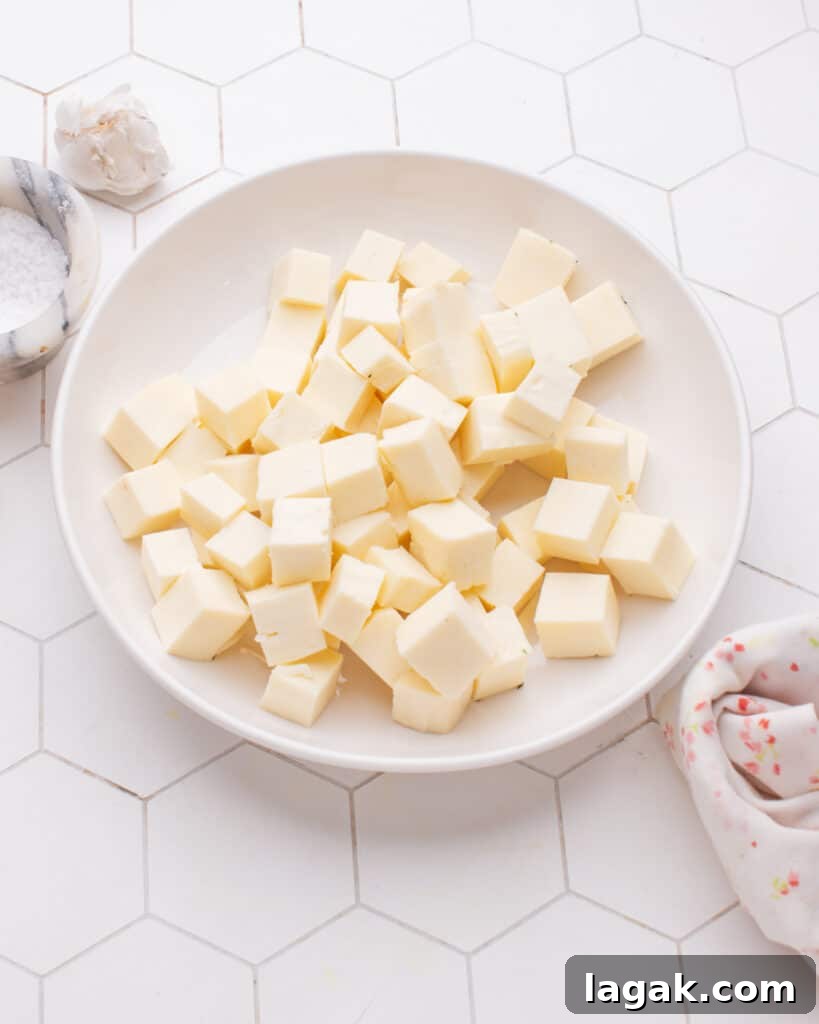
Paneer 101
Paneer is a fresh cheese that’s a staple of Indian cuisine. It’s mild, slightly milky, and pleasantly chewy, which makes it incredibly versatile. You’ll find paneer in rich curries, on the grill, in snacks, and even in some desserts.
The process is simple: heat milk, add an acid such as lemon juice to curdle it, drain the whey, and press the curds into a compact block. Homemade paneer tastes fresher and cleaner than many store-bought versions, and you can control the texture by adjusting how firmly you press it.
Here’s What You Need
Homemade Paneer Ingredients
Paneer requires only three basic ingredients:
- Whole milk: Full-fat cow’s milk is typical; buffalo milk also works. Higher fat yields richer paneer.
- Acid (lemon juice): Lemon juice curdles the milk. You can substitute vinegar, yogurt, or buttermilk if preferred.
- Salt: Optional, but a pinch improves flavor.
Variations and Substitutions
Customize your paneer with a few simple swaps:
- Yogurt: Less acidic—start with ½ cup and add more if the milk doesn’t curdle.
- Vinegar: A one-to-one swap for lemon juice.
- Heavy cream: Add up to ½ cup to the milk before heating for an extra-rich paneer.
Kitchen Equipment You’ll Need
Basic kitchen tools are all that’s required:
- Large stockpot: For heating the milk without boiling over.
- Cheesecloth or clean tea towel: For straining curds from whey.
- Heavy skillet and cans: Used as weights to press the paneer into a firm block.
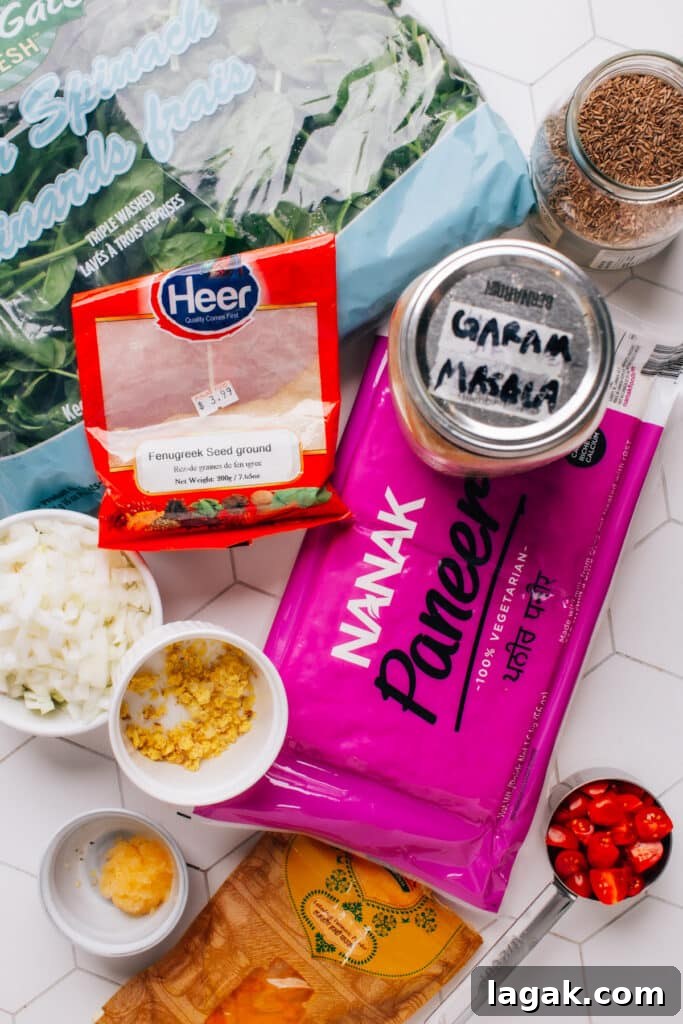
Store-bought paneer can sometimes be rubbery or contain stabilizers; homemade paneer avoids those issues and delivers a fresher texture.
Let’s make homemade paneer.
How To Make Paneer: An Easy Step-by-Step Guide
- Bring the milk to a boil. Heat milk in a large pot over medium heat. Watch closely — once it starts to steam it will boil and froth quickly.
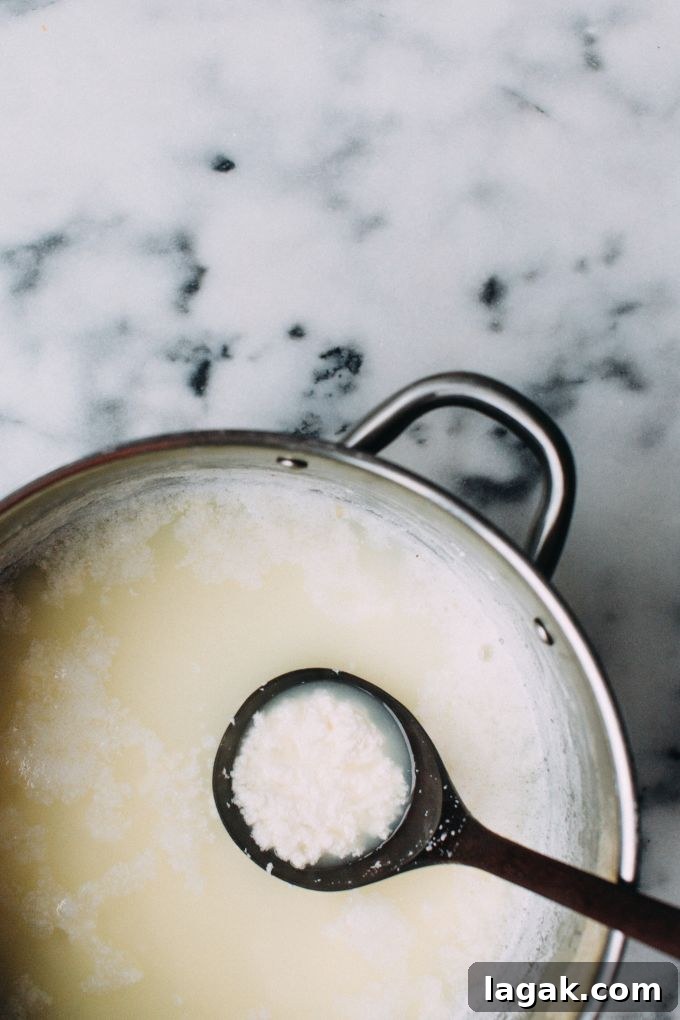
- Curdle the milk. As soon as the milk boils, remove from heat and stir in lemon juice (or your chosen acid). Stir for about 30 seconds. The curds and whey should separate; if not, add another tablespoon of lemon juice. Let the mixture sit for about 10 minutes to finish separating.
- Strain the curds. Line a colander with cheesecloth, muslin, or a clean towel and pour the curdled milk into it. Allow most of the whey to drain. Rinse the curds briefly with cold water to remove excess lemon flavor.
- Squeeze and season. Gather the corners of the cloth, twist to form a ball, and squeeze out as much moisture as possible. Open the bundle, add a pinch of salt to taste, and mix gently.
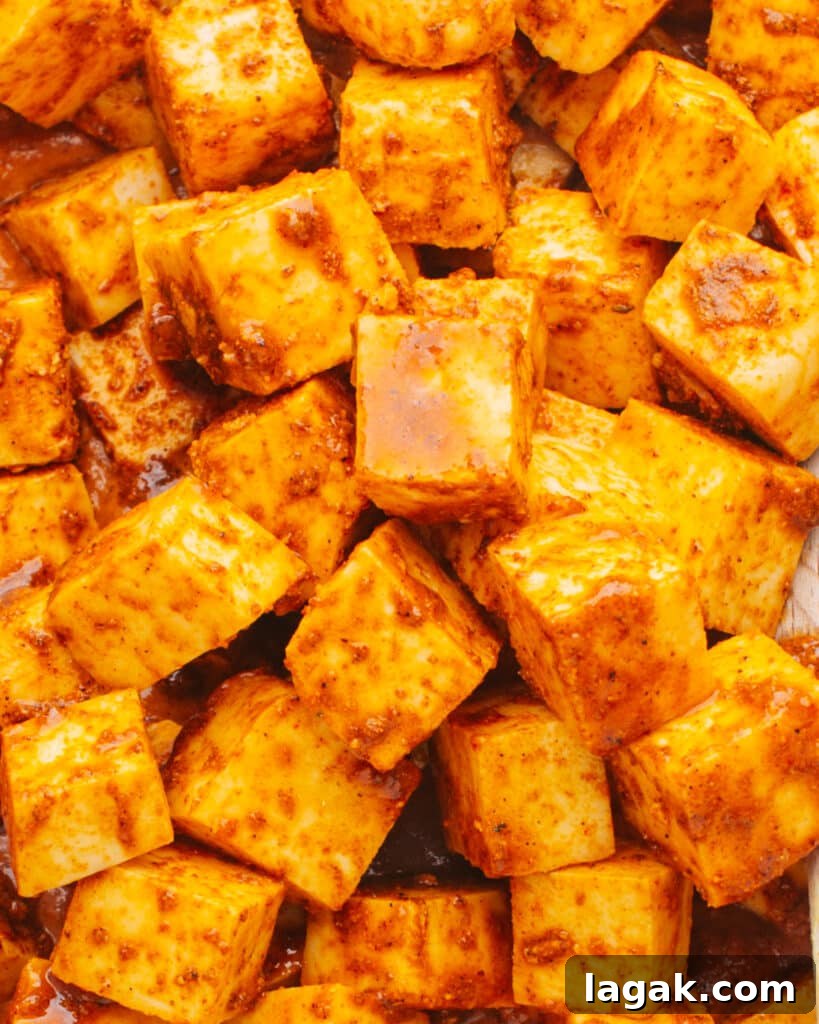
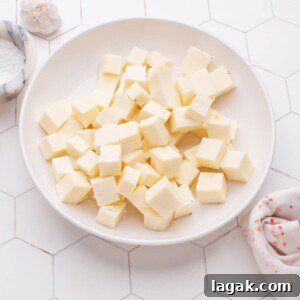
- Press into a block. Rewrap the curds in cloth, tie a knot, and place on a plate lined with a paper towel. Put a heavy skillet or other weight on top and press for about 20 minutes for a firm block. After pressing, cut into cubes or slices and use as desired.
In just a short time you’ll have fresh paneer ready for curries, grills, or snacks. It’s satisfying to make and even more satisfying to eat.
Make-Ahead and Storage
Paneer stores well and is easy to prepare in advance:
- Make ahead: Wrap the paneer block in plastic wrap or place it in an airtight container. It will keep in the refrigerator for up to a week.
- Refresh before use: If the paneer feels firm, soak it in warm water for 5 minutes to soften it before cooking.
Can You Freeze Paneer?
Yes. Freezing is possible, though the texture may become slightly crumblier after thawing. Best practices:
- Whole blocks: Wrap tightly in plastic wrap or use an airtight container.
- Cubes or slices: Freeze pieces spread on a baking sheet first to keep them separate, then transfer to a freezer bag.
- Grated paneer: Store in a zip-top bag with as much air removed as possible.
Thaw overnight in the refrigerator or in warm water for about 30 minutes. If it seems dry, a short soak in warm water will help. Frozen paneer works best in cooked dishes like curries, where texture changes are less noticeable.
FAQs About Making Paneer at Home
Quick answers to common questions:
How is paneer prepared?
Heat milk to boiling, add an acid to curdle it, strain the curds, then press them into a block.
Is homemade paneer better?
Often yes—homemade paneer is fresher, with a cleaner flavor and customizable firmness.
Are cottage cheese and paneer the same?
No. Paneer is pressed into a firm block that can be sliced or cubed; cottage cheese remains soft and creamy with loose curds.
How much paneer does a gallon of milk make?
A gallon (about 3.8 liters) typically yields 1.5 to 2 pounds of paneer, depending on fat content and moisture loss.
Is it cheaper to make paneer?
Yes. Making paneer at home is usually more economical than buying pre-made paneer, especially when using standard milk.
How much paneer from 1 litre of milk?
Expect around 200–225 grams of paneer from 1 litre of whole milk, depending on fat content.
Does homemade paneer melt?
No, paneer doesn’t melt like many other cheeses; it softens when heated but holds its shape well in sauces and on the grill.
Can I use low-fat milk?
Yes, but yield and creaminess will be reduced compared with whole milk.
Best acid for making paneer?
Lemon juice is most common for its flavor, but vinegar or yogurt will also work and produce slightly different textures.
How long does it take?
About 30 minutes active time, with pressing usually taking another 20 minutes. Total time is generally 1–2 hours depending on pressing time.
Dishes To Use Your Homemade Paneer
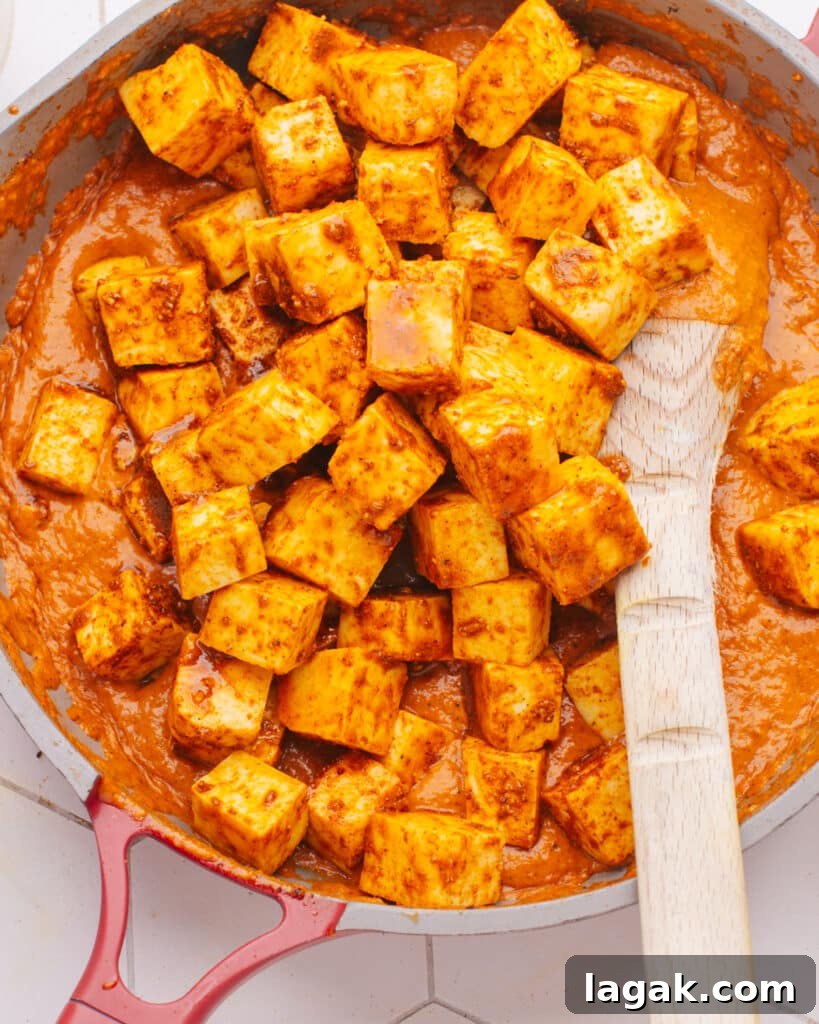
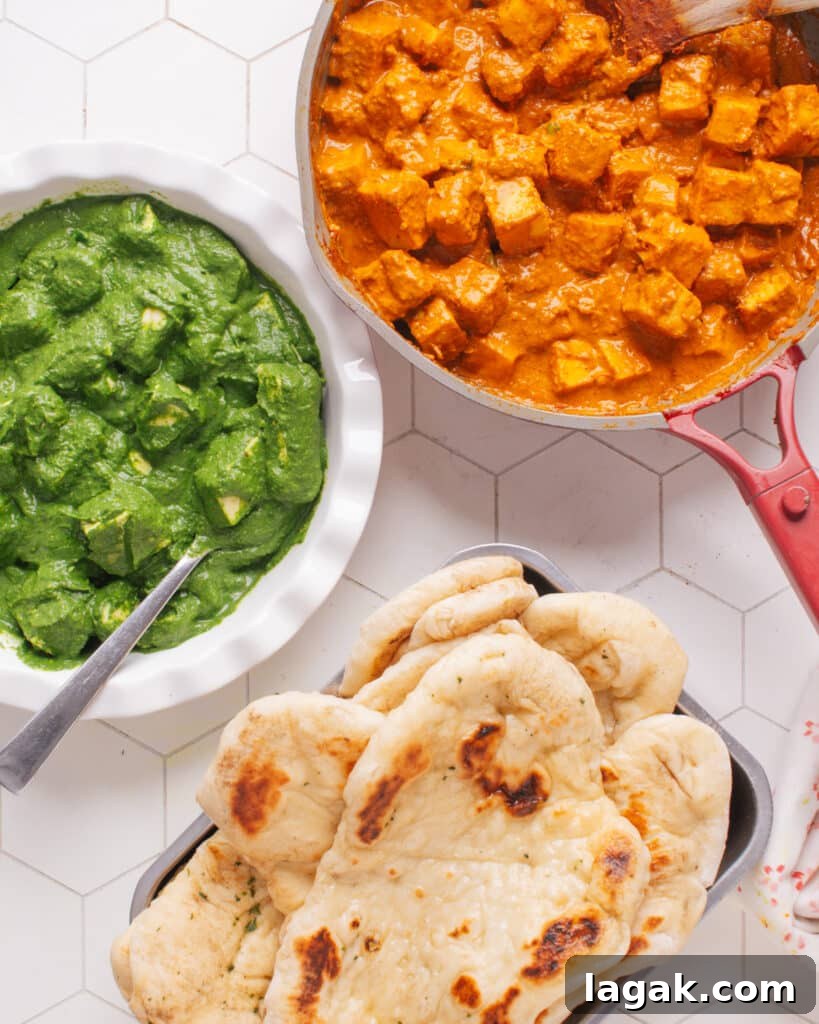
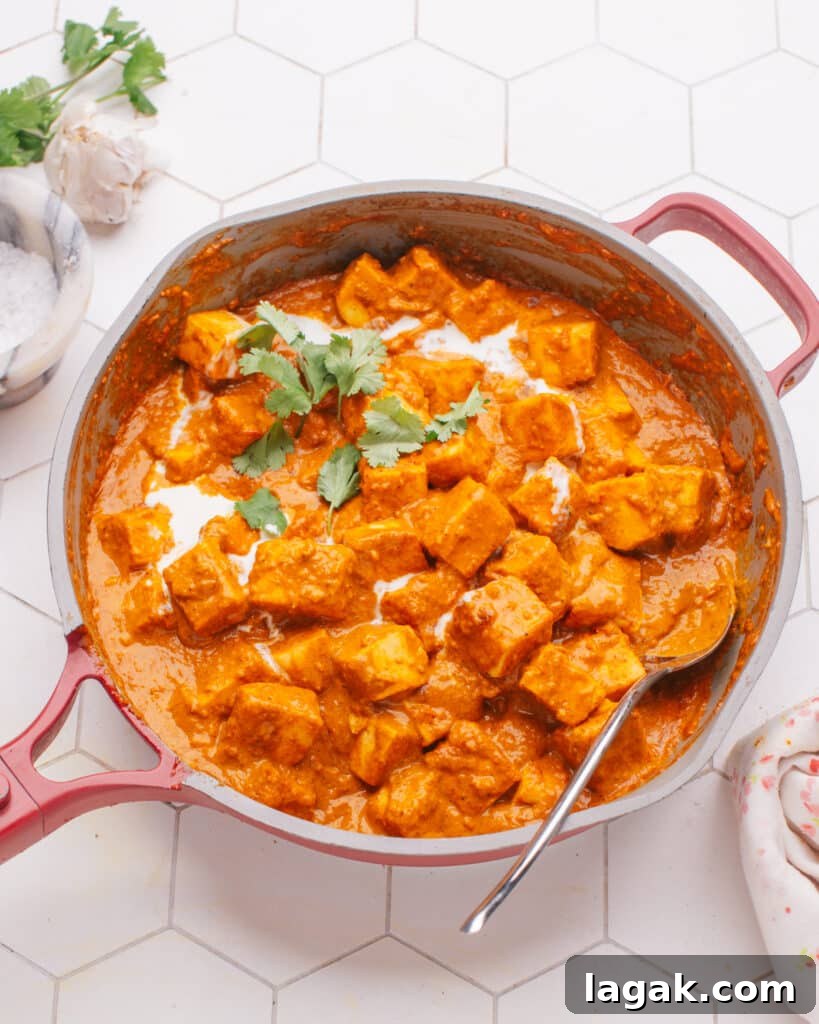
Fresh paneer is excellent in saucy curries served with basmati rice or roti, or marinated and grilled. Popular applications include paneer butter masala, saag paneer, malai kofta, and palak paneer. Cubes also work well in stir-fries, salads, and skewers.
With a block of homemade paneer on hand, you can easily prepare a wide range of Indian and fusion dishes.
How to Make Paneer at Home (Step-By-Step Guide + Easy Recipe)
Ingredients
- 12 cups whole milk
- ¼ cup lemon juice
- good pinch of salt to taste
Instructions
Boil the Milk
-
Heat milk over medium heat in a large stockpot until it comes to a boil. Watch closely — it will froth and can overflow quickly after boiling.
-
Once it boils, remove from heat and add lemon juice. Stir for about 30 seconds as the milk curdles. If the milk doesn’t curdle, add another tablespoon of lemon juice.
-
Let the mixture stand for 10 minutes to finish separating.
Drain the Paneer
-
Line a colander with cheesecloth, muslin, or a clean towel.
-
Pour the curdled mixture into the cloth-lined colander and let it drain for a few minutes.
-
Rinse the curds with cold water to remove the lemon flavor.
Squeeze and Press the Paneer
-
Gather the cloth corners, twist into a ball, and squeeze out as much moisture as possible.
-
Open the bundle, stir in a pinch of salt, taste, and adjust seasoning if needed.
-
Rewrap and squeeze tightly, tying a knot in the cloth.
-
Place the wrapped paneer on a paper towel–lined plate and press it flat with a heavy skillet and cans for about 20 minutes. Remove, cut, and use as desired.
Nutrition
Nutrition information is automatically calculated and should be used as an approximation.
Tried this recipe? Leave a comment!