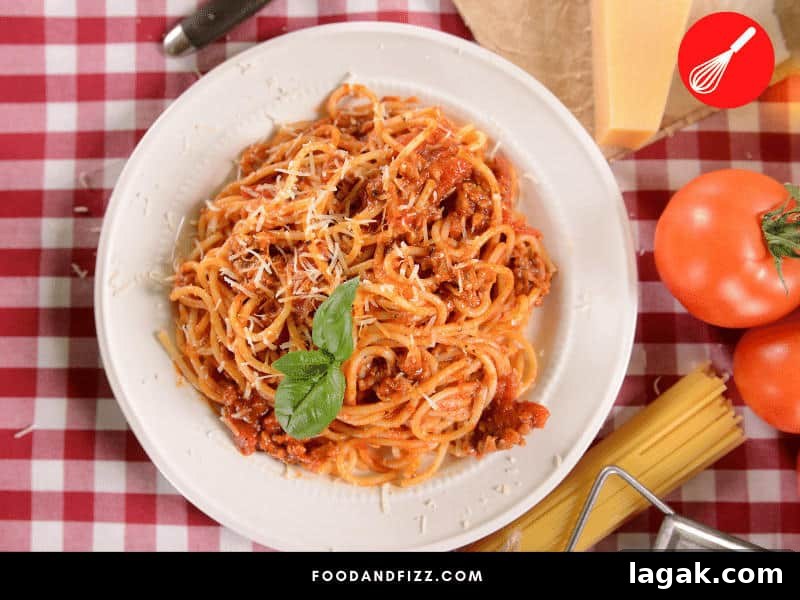
No one can perfectly predict how much food guests will eat. Whether it’s a small dinner or a large gathering, leftovers are common. If you’re wondering whether leftover spaghetti can be frozen, the short answer is yes.
Table of Contents
Toggle
Can You Freeze Spaghetti?
You can freeze spaghetti—leftover or freshly made—without harm. The type of spaghetti doesn’t matter, but how it’s cooked does. For best results, cook pasta al dente before freezing so it retains texture after reheating.
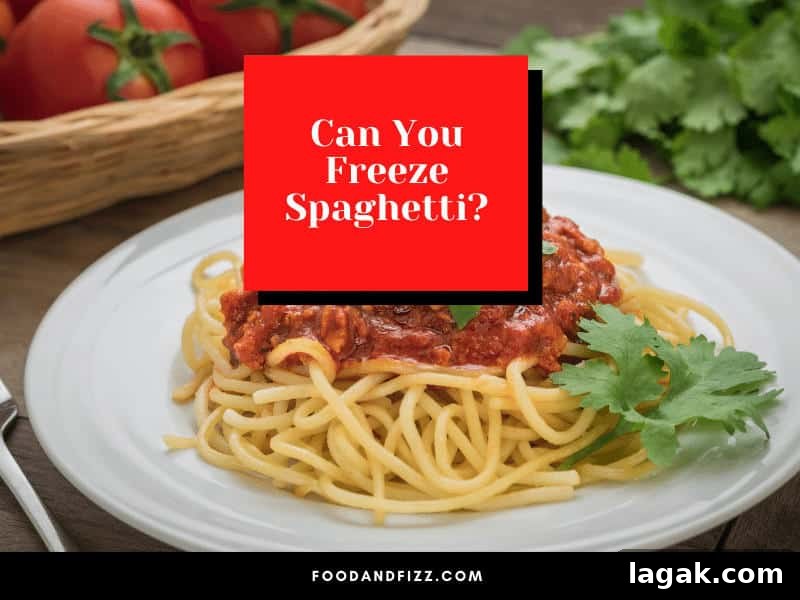
Below you’ll find answers to common questions about freezing spaghetti, including how to store it and the best way to reheat it to preserve flavor and texture.
What Pasta or Spaghetti Can Be Frozen?
All kinds of pasta freeze well, including different varieties of spaghetti. Whether you use traditional durum wheat noodles or alternative varieties, freezing is generally safe. The main factor is the cooking degree: pasta cooked al dente freezes and reheats with better texture than overcooked noodles.
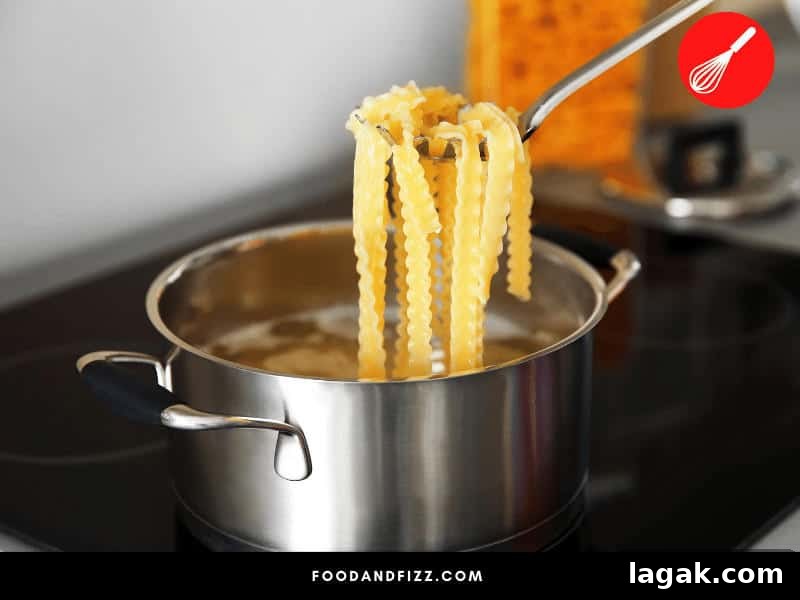
Al dente means the pasta is tender but still firm when bitten. Cooking to this point helps pasta hold its shape and prevents it from becoming mushy after freezing and reheating.
How long Can Spaghetti Go Frozen without Rotting?
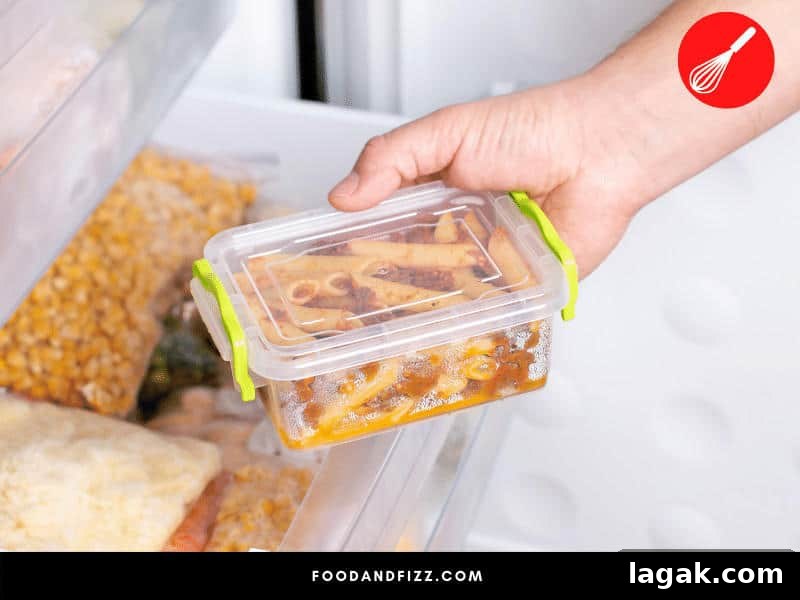
Freezing halts bacterial growth, so properly stored spaghetti can last months in the freezer. In a well-maintained, modern freezer, spaghetti can remain safe for around 4–6 months. In older or frequently opened freezers, expect 3–4 months of quality.
While it can remain safe that long, quality declines over time. For the best flavor and texture, aim to use frozen pasta within about one month. Also avoid repeatedly refreezing and thawing, which damages texture and taste.
The Best Way to Reheat Spaghetti
Microwaving is quick and convenient, but it isn’t the best method for preserving texture and flavor. The stovetop method provides more even heating and helps retain moisture.
A simple three-step process works well:
- Thaw the spaghetti at room temperature until it softens slightly.
- Warm it gently in a non-stick frying pan over low to medium heat.
- Stir frequently so heat distributes evenly and the noodles don’t clump.
This gentle reheating preserves the pasta’s texture and prevents it from becoming mushy. If your sauce has separated, add a splash of water or broth while reheating to restore moisture.
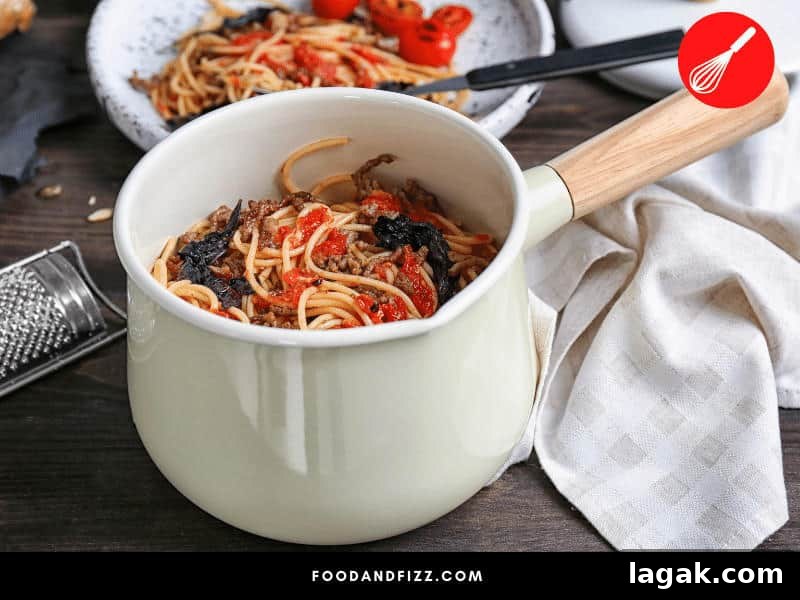
Do Not Refreeze Spaghetti
Refreezing cooked spaghetti is technically possible but not recommended. Repeated freezing and thawing breaks down the pasta’s structure, making it soft and mushy and diminishing flavor. If only a small portion remains after reheating, it’s better to discard it than to refreeze.
For the best results, portion leftovers before freezing so you only thaw what you plan to eat.
Conclusion About Can You Freeze Spaghetti
Freezing spaghetti is safe and practical. Cook pasta al dente, portion it before freezing, and reheat gently on the stovetop to preserve texture and flavor.
Frequently Asked Questions to Can You Freeze Spaghetti
Can I Freeze Spaghetti With Sauce?
You can freeze spaghetti with sauces that are freezer-friendly. Cream-based sauces may change texture when frozen, so use caution with delicate sauces.
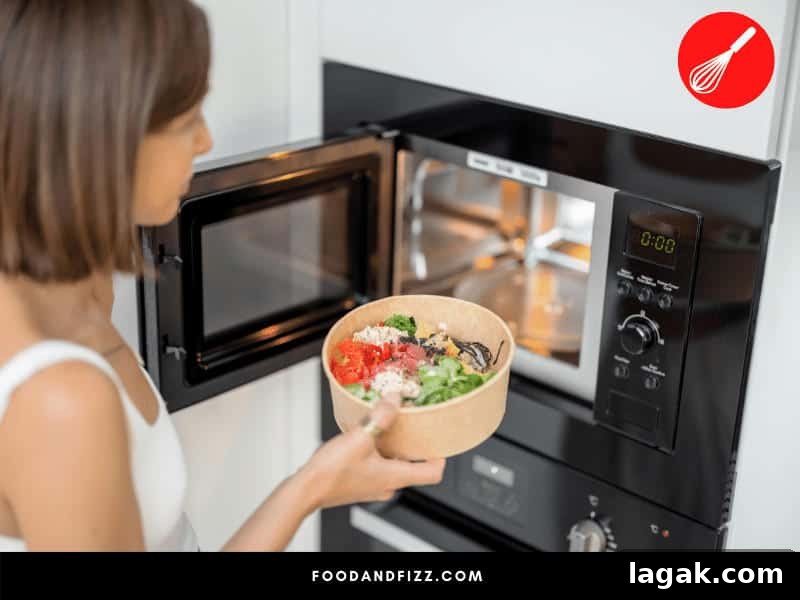
Can I Reheat Pasta in a Microwave?
Reheating pasta in a microwave is safe and fast, but it can dry out or unevenly heat the dish. Adding a little water and covering the container helps retain moisture.
Can Cooked Pasta be Frozen and Heated?
Yes, cooked pasta can be frozen and reheated. For the best results, freeze pasta cooked al dente and reheat gently to preserve taste and texture.