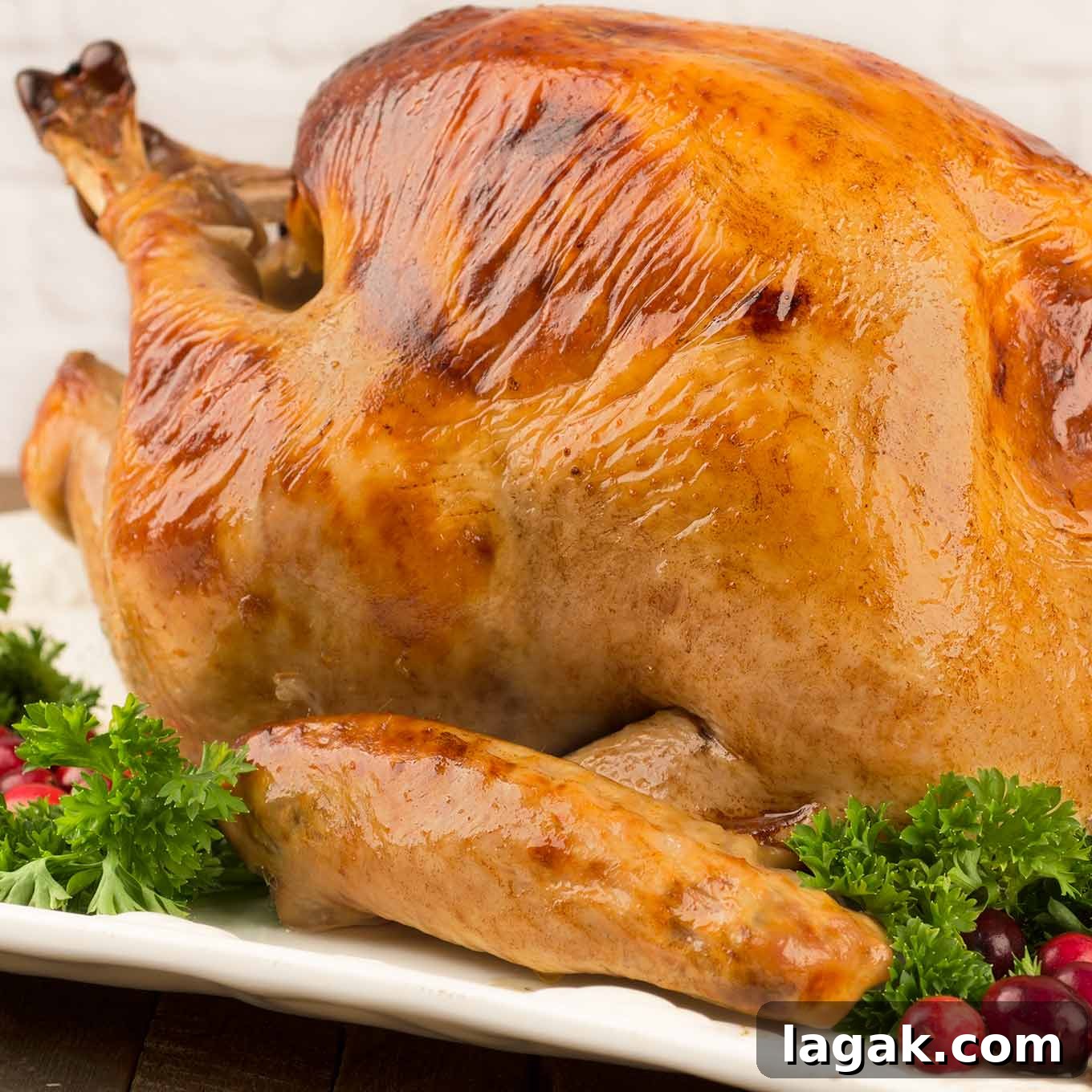
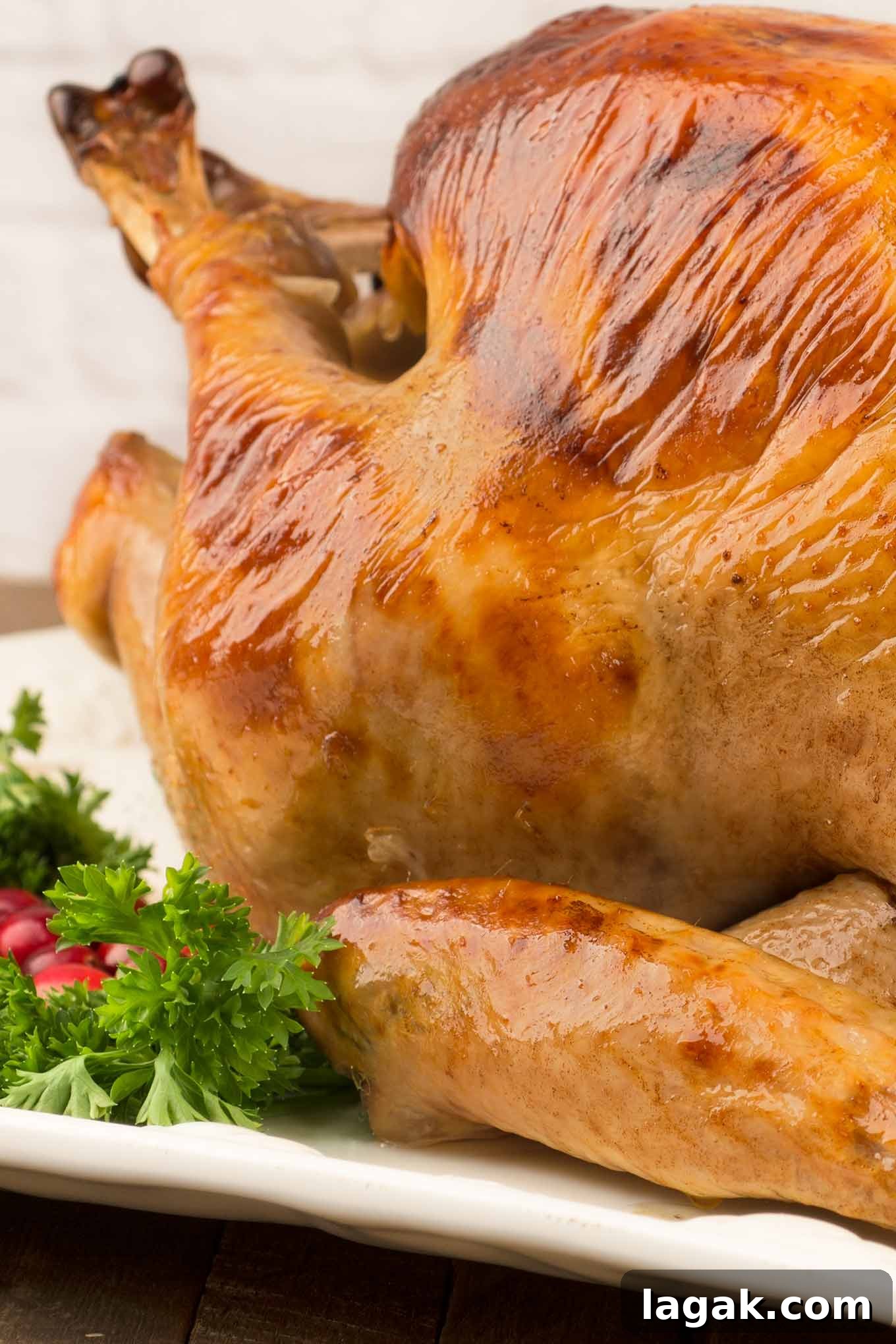
Buttermilk is a well-known tenderizing ingredient for fried chicken, so adapting it into a turkey brine felt like a natural experiment. We tested this buttermilk-and-honey brine on two kinds of turkeys: a minimally processed fresh bird and a frozen, injected turkey (with up to about 7% broth solution).
Both turkeys emerged moist, tender, and flavorful without any excessive saltiness. That makes this brine a good option for cooks who can’t find an unprocessed turkey but still want the benefits of brining.
How To Choose A Turkey For This Recipe
Whenever possible choose a minimally processed fresh turkey, especially when planning to brine. If you must buy a frozen bird, check whether it has been injected with a broth/salt solution. Most frozen turkeys contain about 7–8% added solution. For such birds, reduce the kosher salt in the brine to 2 teaspoons so the finished turkey won’t be too salty.
Note: Do not brine turkeys that contain more than an 8% injected solution.
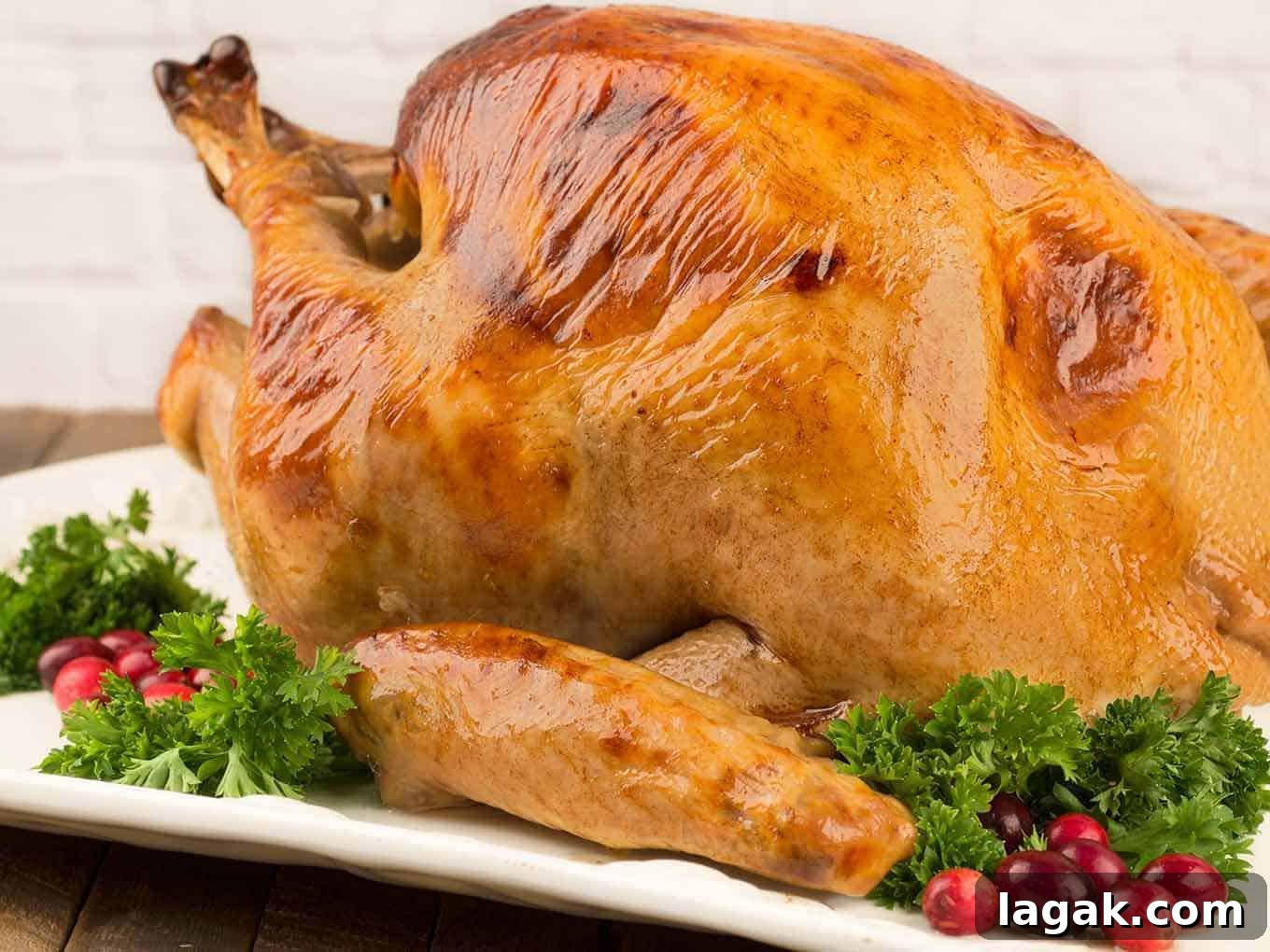
What Goes In Our Special Buttermilk Brine
The brine combines buttermilk and honey with aromatics and whole spices: orange peel, whole allspice and peppercorns, fresh rosemary, thyme and sage, plus a touch of sugar and kosher salt to balance the flavors.
Buttermilk and Honey Brined Turkey
Pin Recipe
Rate Recipe
Print Recipe
Ingredients
Brine Ingredients:
- 6 cups water
- 2 tablespoons kosher salt, reduce to 2 teaspoons if using an injected turkey
- 3 tablespoons sugar
- 1/4 cup honey
- Peel from 1 orange, cut into strips
- 3-1/2 to 4 quarts buttermilk
- 1 tablespoon whole allspice
- 1 tablespoon whole peppercorns
- 4 sprigs fresh thyme
- 3 sprigs fresh rosemary
- 12 sage leaves
Turkey and Pan Gravy Ingredients:
- 10 to 12 lb turkey, see buying tips above
- 1 fresh orange, cut into eighths
- 2 sprigs rosemary
- 3 sprigs thyme
- 8 fresh sage leaves
- 3 tablespoons butter, softened
- Salt and freshly ground black pepper
- 4 to 6 cups chicken broth, divided
- 1/4 cup cornstarch
Instructions
Brining:
-
Combine the water, kosher salt, sugar, honey and orange peel in a saucepan and bring to a boil. Cook 2 minutes, stirring so the sugar and salt dissolve. Remove from heat and let the mixture cool to room temperature.
-
Remove the neck, giblets and liver from the turkey and reserve for gravy or stock if desired. If using a frozen turkey, be sure it is completely thawed. Rinse the bird inside and out and pat dry. Place the allspice, peppercorns, thyme, rosemary and sage inside the cavity and transfer the whole bird to a large food-safe plastic bucket or brining bag.
-
Mix the cooled water-salt mixture with 1 quart of the buttermilk, then pour it into the bucket or bag with the turkey. Add at least 2-1/2 additional quarts of buttermilk so the bird is fully submerged and the cavity is filled. If needed, add more buttermilk. Cover and refrigerate for up to 18 hours.
-
Remove the turkey from the brine, rinse and pat dry; discard the brining liquid. Season the cavity with salt and pepper, then place the orange pieces, rosemary, thyme and sage inside. Tie the drumsticks together with kitchen twine and let the turkey sit at room temperature about 1 hour before roasting.
Roasting:
-
Preheat the oven to 400°F and coat a roasting pan and rack with nonstick spray.
-
After the turkey has warmed slightly from refrigeration, slide about 1/2 tablespoon of softened butter under the skin on each side of the breast and gently massage to distribute. Rub the remaining butter over the outer skin of the breast and drumsticks. Season lightly with salt and pepper.
-
Place the turkey breast side up on the rack. Shape a piece of heavy-duty foil into a V to shield the breast from drying and premature browning; spray the foil with nonstick spray and fit it around the breast.
-
Pour 2 cups of chicken broth into the roasting pan and put the turkey in the oven. Roast at 400°F for 30 minutes, then reduce the oven to 325°F and continue roasting 1-1/2 to 2 hours more, basting with pan juices every 45 minutes. Remove the foil during the final 45 minutes to allow the breast to brown.
-
Check doneness after about 2 hours using a reliable meat thermometer. The turkey is done when the internal temperature in the thickest part of the thigh reaches 165°F. Let the turkey rest at least 20 minutes before carving.
Easy Pan Gravy:
-
While the turkey rests, skim excess fat from the roasting pan juices and add enough chicken broth to total 3 cups of liquid. Simmer the juices in a saucepan over medium heat. In a small bowl, whisk 1/4 cup cornstarch with 1/3 cup water until smooth, then whisk this slurry into the simmering broth. Stir until thickened, season with salt and freshly ground black pepper, and transfer to a gravy boat for serving.