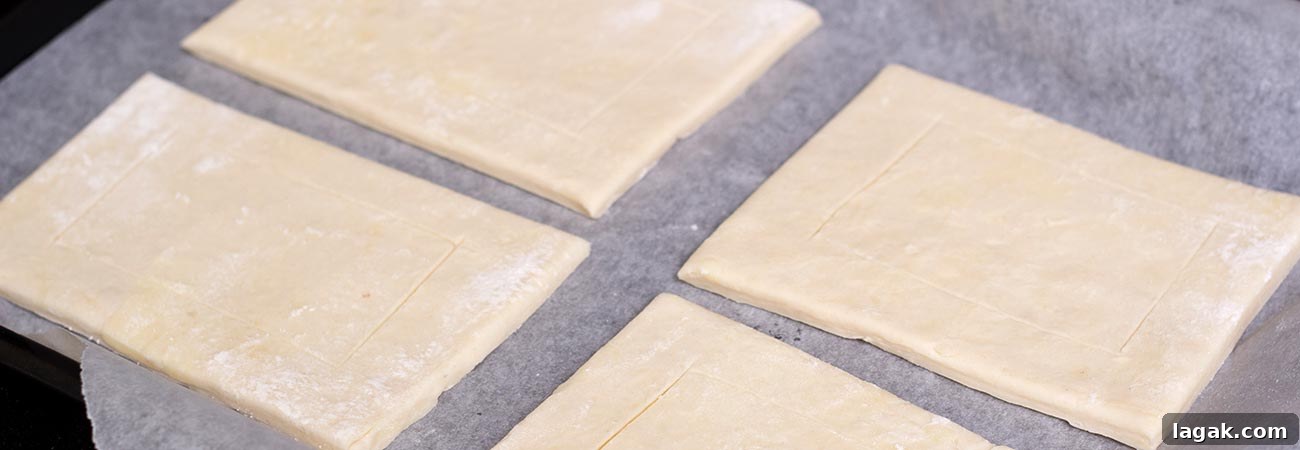
Can I share a little secret? This recipe made me unexpectedly excited — a simple spelt rough puff pastry had me genuinely thrilled.
It isn’t a dish you eat on its own but rather a doorway to many other culinary delights. I love how basic ingredients and straightforward techniques can produce something special. It reminds me of my oven-dried tomatoes recipe, where regular tomatoes become intensely sweet, concentrated nuggets of flavour through a simple process.
Baking has a small kind of magic: take pale, ordinary ingredients like flour, water and butter, combine them, apply heat, and they transform into rich, flaky, crispy pastry with warm, golden tones. That transformation never fails to delight.
What’s so rough?
It’s called “rough” because the dough is combined in a bowl with visible chunks of butter, rather than the traditional method that involves a single large block of butter wrapped and folded into the dough for very precise layers.
I’ve put together a simple 10-step photo guide below, and there’s also a printable PDF card if you want a copy to keep in the kitchen — so there’s no excuse not to try it!
Below is how the finished pastry looks, and a little teaser for the next recipe I have planned. My mouth waters just looking at these photos again.
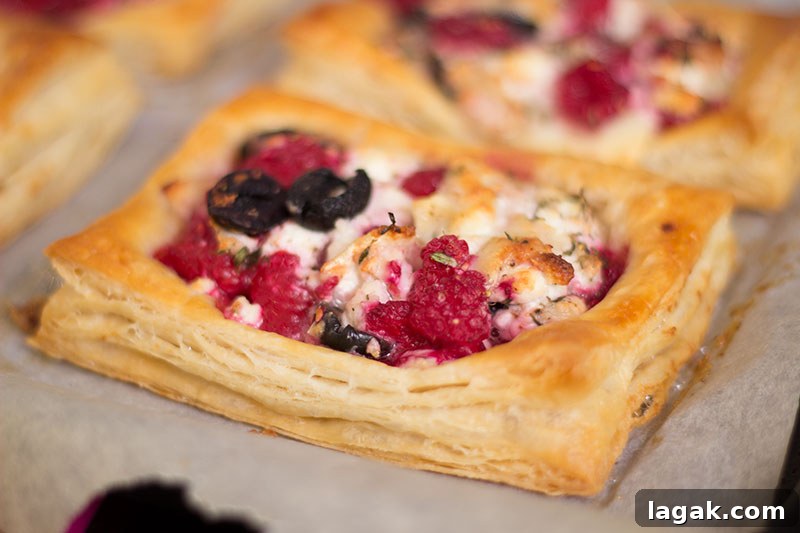
Spelt rough puff pastry
By Gavin Wren
Makes enough for 8 small tarts, or 1 large
Uses 1 pot
PDF recipe card to download or print
Ingredients
250g white spelt flour, plus extra for dusting
1 teaspoon salt
140ml chilled water
250g butter, cut into 5–10mm chunks and well chilled
Adapted from a recipe by Sven-Hanson Britt
Directions
Step 1.
Sift the spelt flour into a mixing bowl and stir in the salt. Reserve a small pile of extra flour on the back corner of your worktop for dusting.
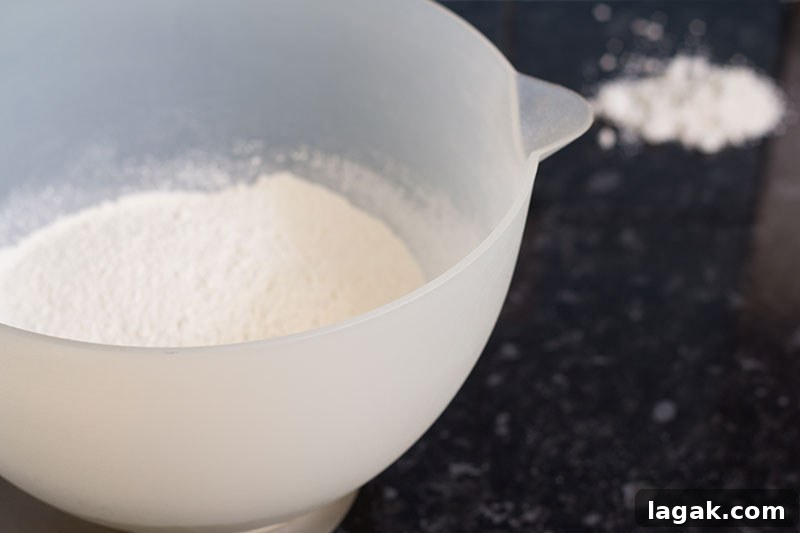
Step 2.
Add the chilled butter chunks and gently rub them with your fingers so each piece becomes lightly coated in flour. Keep the motion gentle to avoid warming the butter.
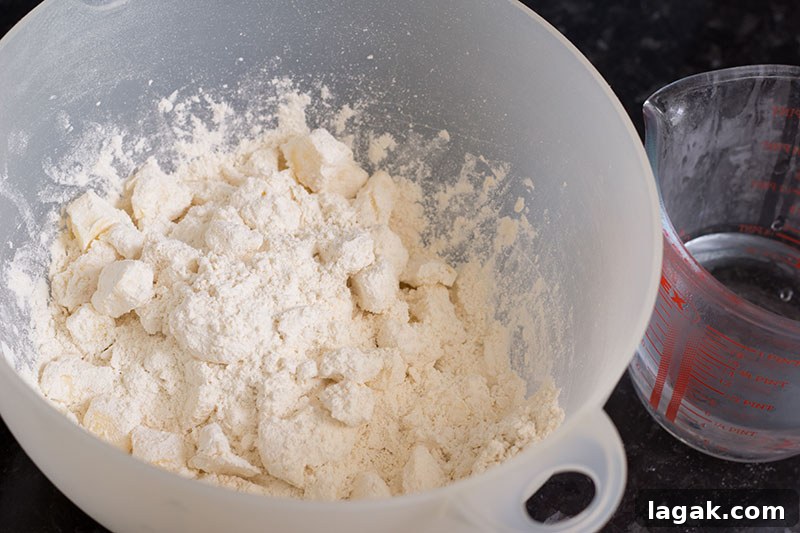
Step 3.
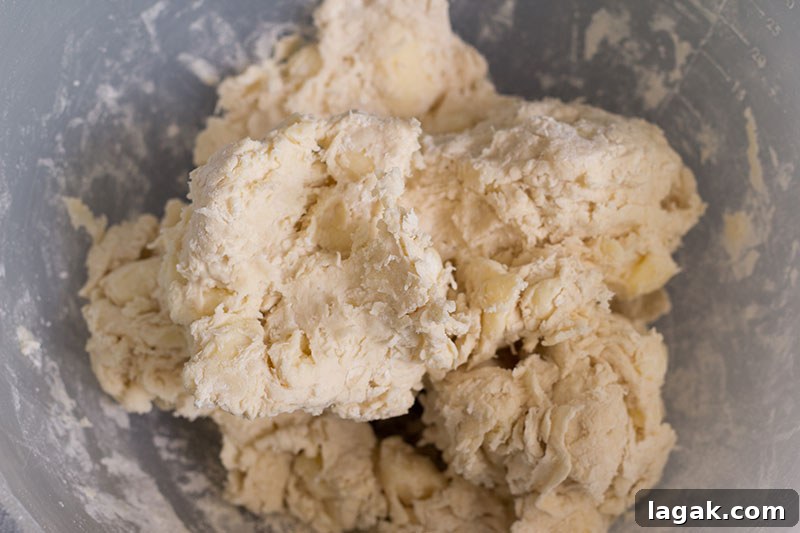
Add the chilled water in three small batches, mixing lightly with your fingers until the dough just comes together. Work lightly so the butter remains cold and intact as lumps in the dough.
Step 4.
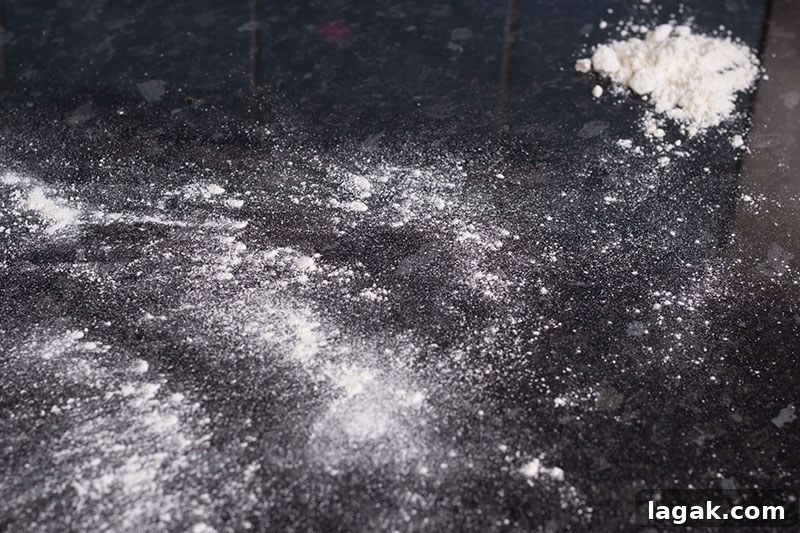
Pick up a pinch of the reserved flour and dust your work surface to prevent sticking.
Step 5.
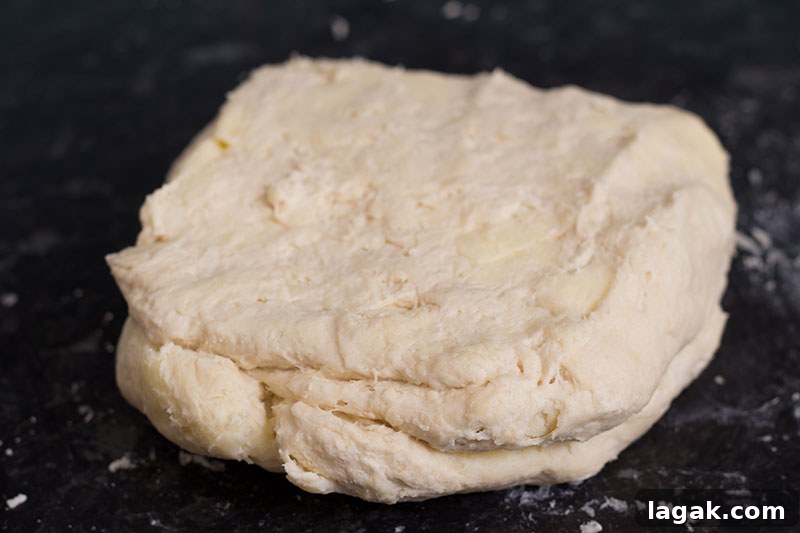
Turn the dough out onto the floured surface and knead only twice or so — do not overwork. The dough should still show visible butter pieces; you do not want it smooth and uniform.
Step 6.
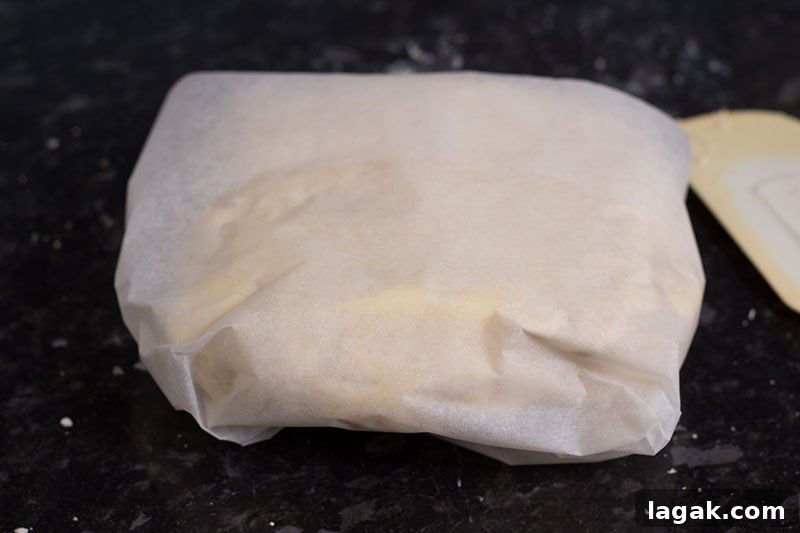
Shape the dough into a rough square, wrap it in greaseproof paper, and refrigerate for at least 20 minutes to chill.
Step 7.
Refloor your work surface, unwrap the chilled dough and roll it into a long, thin rectangle. Fold the top third down and the bottom third up over it, forming a square. This is the “turn” that creates layers.
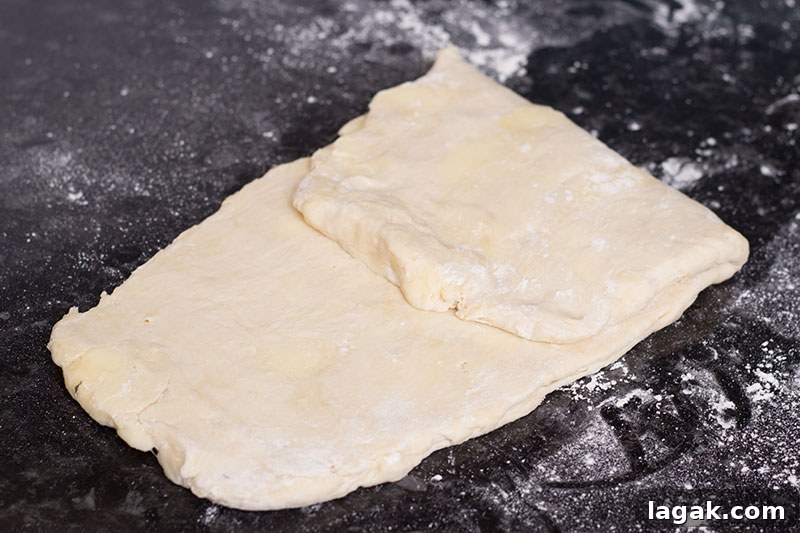
Step 8.
Wrap the pastry again and refrigerate for another 20 minutes or more.
Step 9.
Repeat the rolling and folding (step 7) and chilling (step 8) one or two more times. Once is adequate; twice gives better lift and flakiness.
Step 10.
Your pastry is ready to roll out and use as your recipe requires — tarts, pastries, or savoury pies all work beautifully.
Cold, cold, cold!
Keep the pastry cold throughout the process. Work in a cool room or chill stages in the refrigerator to ensure the butter stays solid. If needed, leave the dough in the fridge longer while you prepare fillings or take a short break; colder butter yields better lift and flakiness.