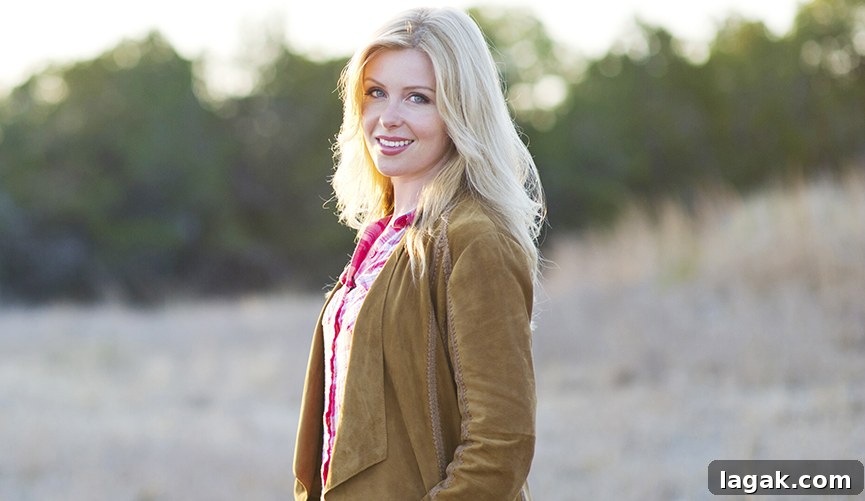
Hunter Gatherer
Years ago, Georgia Pellegrini left Wall Street’s suits and spreadsheets for cowgirl boots and the outdoors. Trading a corporate cubicle for culinary school and kitchens like Blue Hill at Stone Barns, she embraced a “field-and-stream-to-table” approach. Her work includes Food Heroes, which profiles 16 artisans preserving food traditions, and Girl Hunter: Revolutionizing the Way We Eat, One Hunt at a Time. Here, Georgia discusses the thrill of hunting, essential pioneer skills, and the wild ingredients she forages each spring.
AndrewZimmern.com: Tell us about your journey from financier to hunter.
Georgia Pellegrini: I grew up on the land my great-grandfather named Tulipwood. Living there, surrounded by family and local knowledge, I learned to fish, forage and garden. Those experiences shaped my appreciation for simple, honest food and eventually led me to culinary school and professional cooking. That same philosophy drove me to write Food Heroes and later to embrace hunting, which became the subject of Girl Hunter.
After college I tried Wall Street, but the late nights spent staring at spreadsheets made me realize I wanted a different life. I left to pursue culinary training and worked in farm-to-table kitchens. One pivotal moment came when I had to kill a turkey for a restaurant. It was difficult, but it awakened something important: if I wasn’t willing to participate in the whole process, I couldn’t responsibly eat or use animal products. That experience moved me from a farm-to-table mindset to field-and-stream-to-table, and reinforced my commitment to using every part of an animal with respect.
AZ.com: What’s so appealing about the hunt?
GP: Learning more about industrial feedlot systems convinced me I didn’t want to support them. Hunting allows me to honor the animal by using every part and to ensure the process is ethical and minimally harmful. When practiced responsibly, hunting and gathering reconnect humans with the land and the natural cycles of life. The sensory awareness during a hunt—how you hear, see and smell—creates a profound sense of presence. Hunting confronts us with mortality and the realities of the food chain, making us more mindful eaters and caretakers of the land.
AZ.com: Why is it so important to know where your food comes from?
GP: Being involved in harvesting my food makes me more attentive and a better steward of resources. Food often tastes better when you’ve worked for it, whether it’s animal or plant protein. As a chef I became acutely aware of waste in professional kitchens, so I strive to minimize waste in hunting and cooking. Bringing food from the field to the table rarely follows a perfectly tidy process, but that hands-on involvement creates a deeper respect for ingredients and the people and places that produce them.
AZ.com: What are your Girl Hunter weekends like?
GP: The Girl Hunter weekends began after numerous women asked to join me for an outdoor adventure. They’re powerful and joyful: strangers, often spanning generations, come together to learn and challenge themselves. Activities include a cooking class, fly fishing, clay shooting, horseback riding, hunting, ATV rides, campfire s’mores and plenty of laughter. Women leave bonded and inspired; these weekends tend to attract fearless participants who quickly form strong connections. I host occasional co-ed events, but most are women-only experiences.
AZ.com: Three “pioneer skills” we should all conquer?
GP: First, embrace upcycling—turn leftovers and discarded items into useful things, like coffee ice cubes or planter boxes. Second, master cooking with a single cast iron skillet: baking, sautéing and frying can all be done well with one versatile pan. Third, learn to butcher a whole chicken or other animal. It’s economical, reduces waste, and yields bones for stock, stretching ingredients and saving money once you know how.
AZ.com: What wild ingredients are you inspired by come springtime?
GP: Wild garlic is a favorite. It resembles chives but has hollow stems and a woody base, and up close it smells faintly of garlic. Nutrient-dense, it’s rich in sulfur compounds with potential antibacterial and antiviral benefits. I also love ramps—grilled, pickled or made into pesto. They pop up in early spring on hillsides and shady, moist woods; their broad leaves and reddish stems resemble wild leeks and they’re high in vitamins A and C. Fiddlehead ferns are another spring treat: the tight green spirals are crisp and slightly acidic, making a pretty and seasonal addition to salads, though they’re available only briefly.
AZ.com: Favorite outdoorsy activities in or around Austin?
GP: Austin is wonderfully outdoorsy. I enjoy running along the city lake and swimming at Barton Springs in summer. The Hill Country nearby offers great hunting and fishing, along with hiking, rock climbing and biking. Most Austinites spend a lot of time outside, and there’s no shortage of activities to enjoy.
AZ.com: What’s in your fridge?
GP: Because I travel often, my fridge isn’t always packed with exciting things, but it always contains an array of hot sauces. I’m a hot sauce enthusiast, and Texas is a great place to build a collection.
Check out Georgia’s recipe for Wild Garlic Soup.
Georgia Pellegrini is the author of the IACP-nominated Food Heroes and Girl Hunter, named one of the top 10 sports books of 2012. She writes for publications including the Wall Street Journal and Bon Appétit and has worked in notable restaurants in the U.S. and France, including Blue Hill at Stone Barns, Gramercy Tavern and La Chassagnette. She chronicles her culinary and foraging adventures on her website.