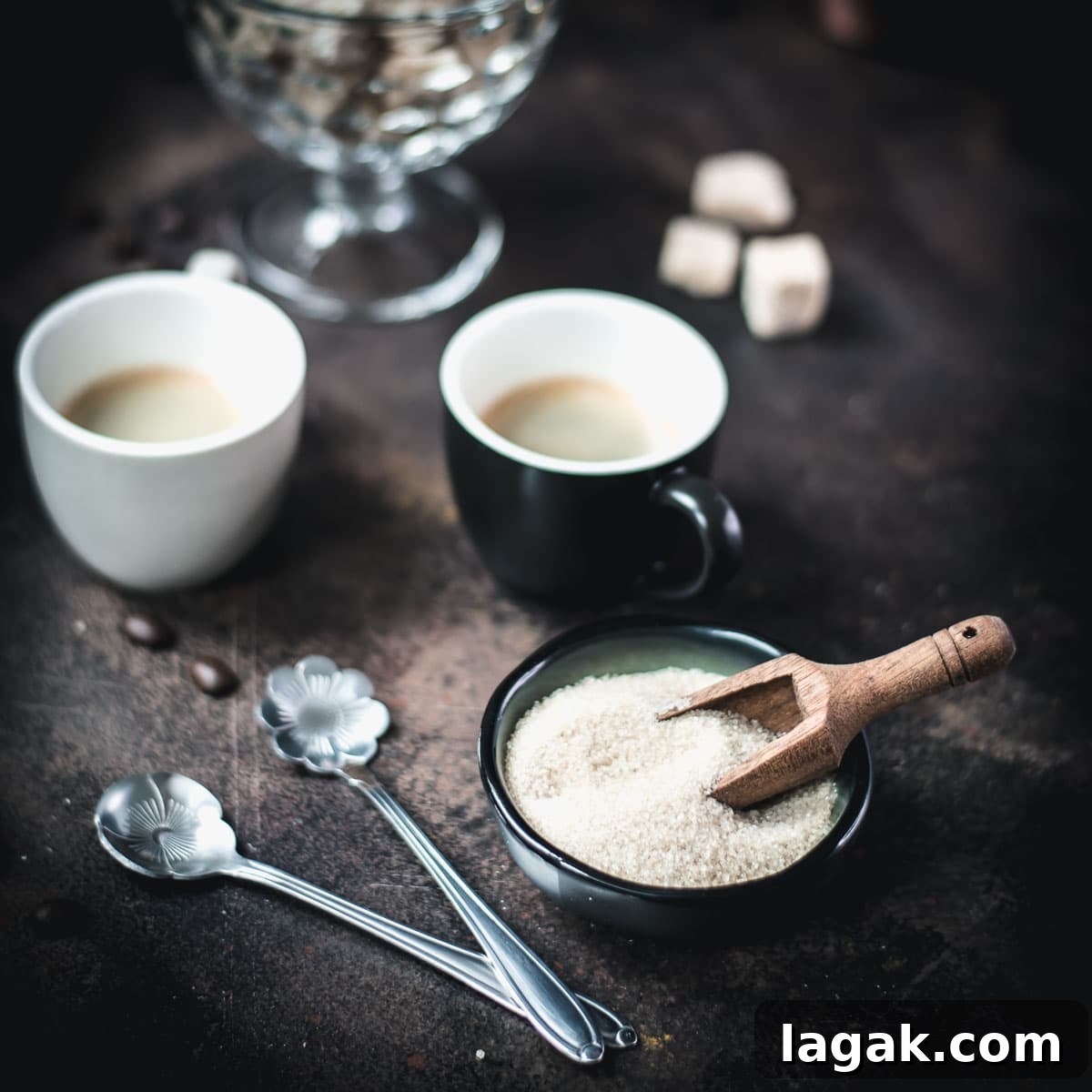
Have you ever reached for white sugar and found the jar empty, but still wanted to sweeten your coffee? Brown sugar is a flavorful alternative worth trying. Below we explain what brown sugar is, how it differs from white sugar, and practical tips for using it in coffee.
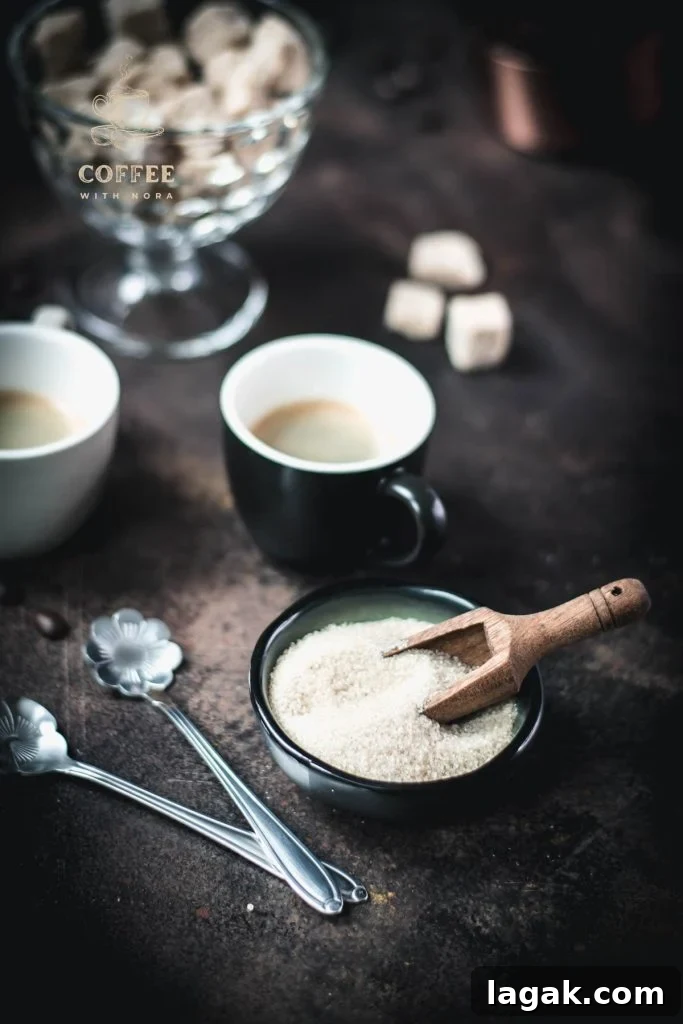
Differences Between Brown and White Sugar
Both white and brown sugar are pantry staples, but they offer different flavors and textures. White sugar is fully refined from sugar cane or sugar beets and provides a clean, purely sweet taste. Some white sugars are filtered with bone char during processing, so they are not always considered vegan.
Brown sugar starts from the same sucrose base but retains some molasses or has molasses added back in. That molasses gives brown sugar a richer, more complex taste—caramel-like and slightly earthy—and makes the crystals stickier and denser than white sugar. Because brown sugar is less refined in some forms, certain varieties can be vegan-friendly.
The presence of molasses is the main distinction: it contributes both the color and the layered flavor profile that makes brown sugar popular in baking and a nice complement to coffee.
Types of Brown Sugar
There are two common varieties: light brown and dark brown sugar. Each works well in coffee but offers different intensity.
Light brown sugar contains less molasses, so it’s milder in color and taste. It adds a smooth, sweet caramel note to coffee without overpowering other flavors, which is why many people prefer it for daily use.
Dark brown sugar contains a higher molasses content, resulting in a deeper color and a more pronounced, earthy flavor. It can be delicious in coffee if you enjoy strong molasses notes, but for most palates light brown sugar provides a better balance.
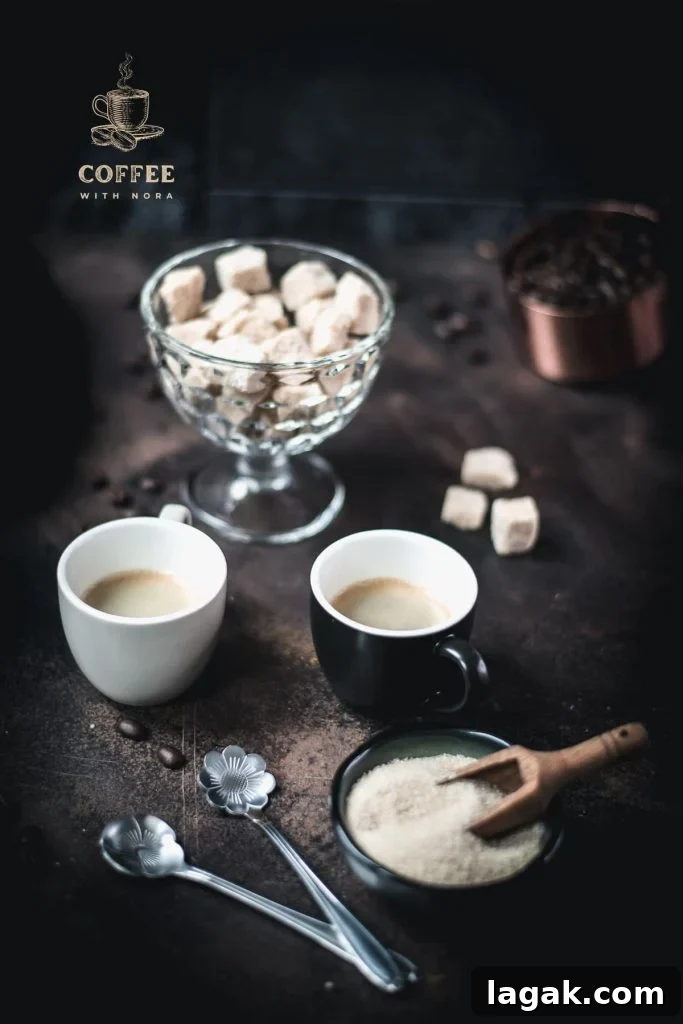
Is Brown Sugar in Coffee Healthy?
While any added sugar should be used in moderation, brown sugar retains trace minerals—such as calcium, iron, copper, and zinc—that are removed during the refining process for white sugar. These nutrients are present in small amounts and don’t make brown sugar a health food, but they do mean the sweetener is slightly less processed than white sugar.
If you’re looking for a touch of sweetness with a bit more flavor and a few extra minerals compared with white sugar, brown sugar can be a reasonable choice for your cup of coffee.
How to Use Brown Sugar in Different Coffees
Brown sugar complements many coffee styles, from espresso to drip and cold brew. How much to add depends on the drink and your taste. The suggestions below are for small-sized beverages and can be adjusted to preference:
- Latte – Up to 1 teaspoon.
- Espresso – Up to 1½ teaspoons per double shot. Espresso’s concentrated flavor may call for a little extra if you want noticeable sweetness.
- Regular brewed coffee (hot or iced) – Up to 1 teaspoon. Brown sugar dissolves best in hot coffee, so add it while the brew is hot; then chill if making iced coffee.
- Cold brew – About ½ teaspoon. Cold brew tends to be smoother and naturally sweeter, so it usually needs less added sugar.
These are starting points—adjust to your taste. For iced drinks, consider dissolving brown sugar into a warm simple syrup or adding the sugar while the coffee is still hot so it incorporates evenly.
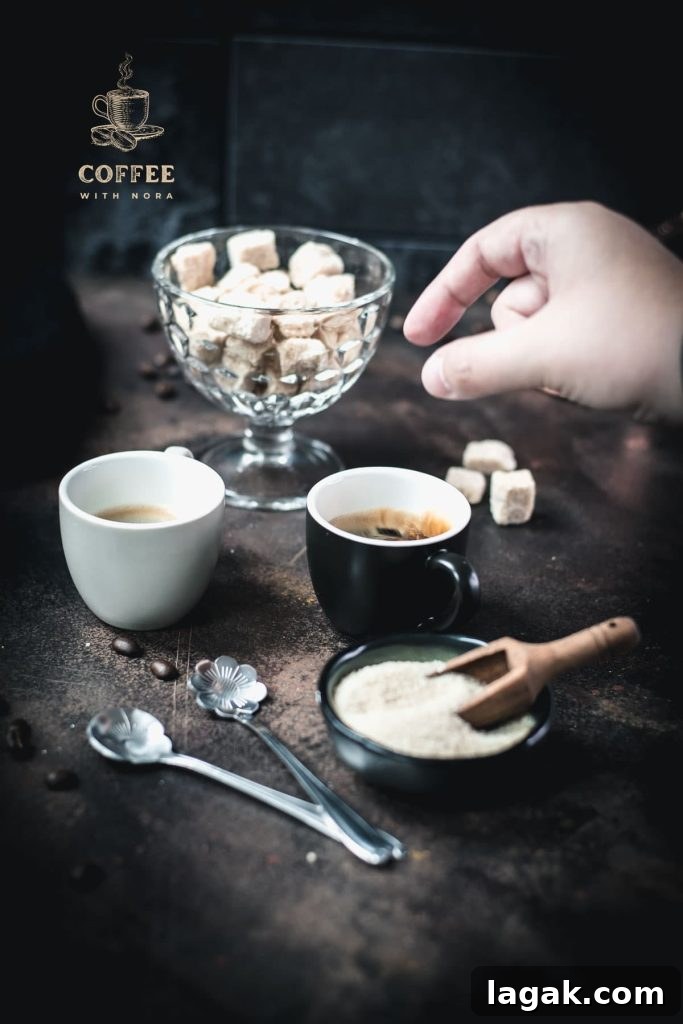
Frequently Asked Questions About Using Brown Sugar in Coffee
Brown sugar syrups are made by dissolving brown sugar in water and sometimes adding flavorings. They can substitute for granulated brown sugar in most drinks and are especially useful for cold and iced beverages because they blend easily without gritty texture.
Raw sugars like Demerara or Turbinado are less refined cane sugars that may retain some natural molasses. Commercial brown sugar, however, is typically white sugar with molasses added back in, giving it a distinct flavor and texture. Raw sugars and brown sugar are similar in being less processed than refined white sugar, but they differ in flavor, texture, and production.
More Recipes and Tips You Might Enjoy:
- Oat Milk Coffee
- How much Syrup to put into Coffee?
- Why does Oat Milk Separate in Coffee?
- Can you put Hot Coffee in Glass?
- Honey Lavender Oat Milk Latte
- Lavender Latte
- Iced Lavender Latte
- Iced Honey Latte
- Honey Latte