
If you’ve ever stood in front of the refrigerator at 5:00 p.m., exhausted and desperate for dinner ideas while the kids cry “I’m hungry,” meal planning for a family can be a lifesaver.
Skipping the guesswork and the drive-thru becomes easy once you have a plan. Meal planning saves time, cuts costs, reduces stress, and makes it simple to put healthy, tasty food on the table without losing your mind.
This guide explains how to create a family meal plan and shares practical tips to keep the process straightforward and sustainable.
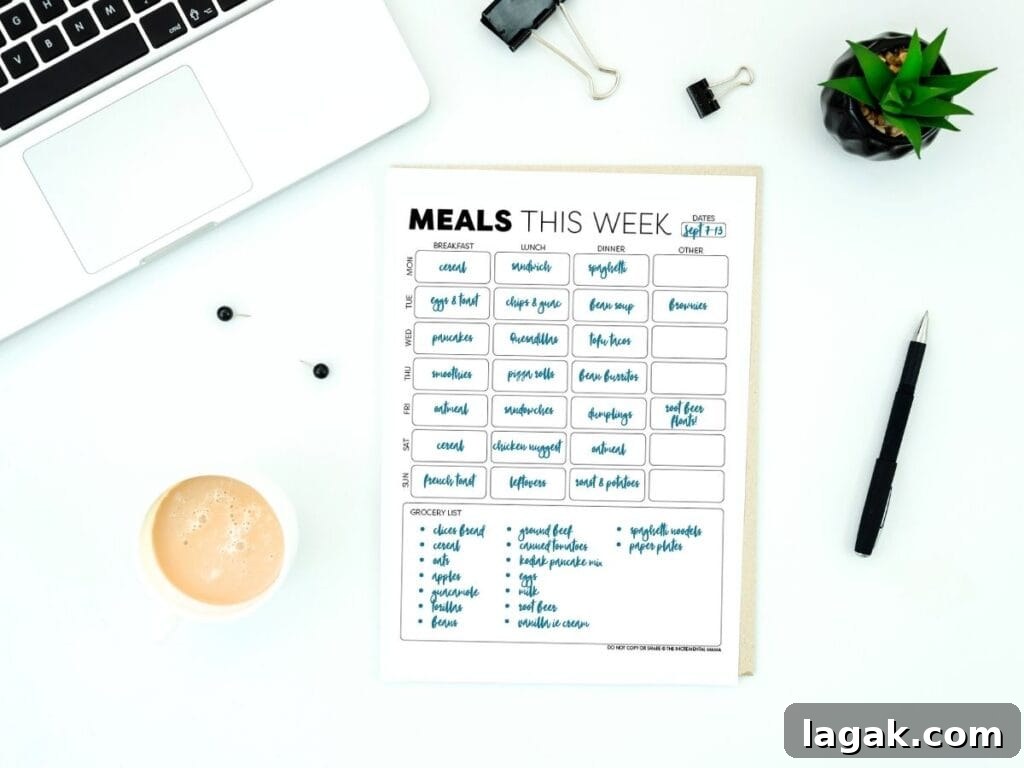
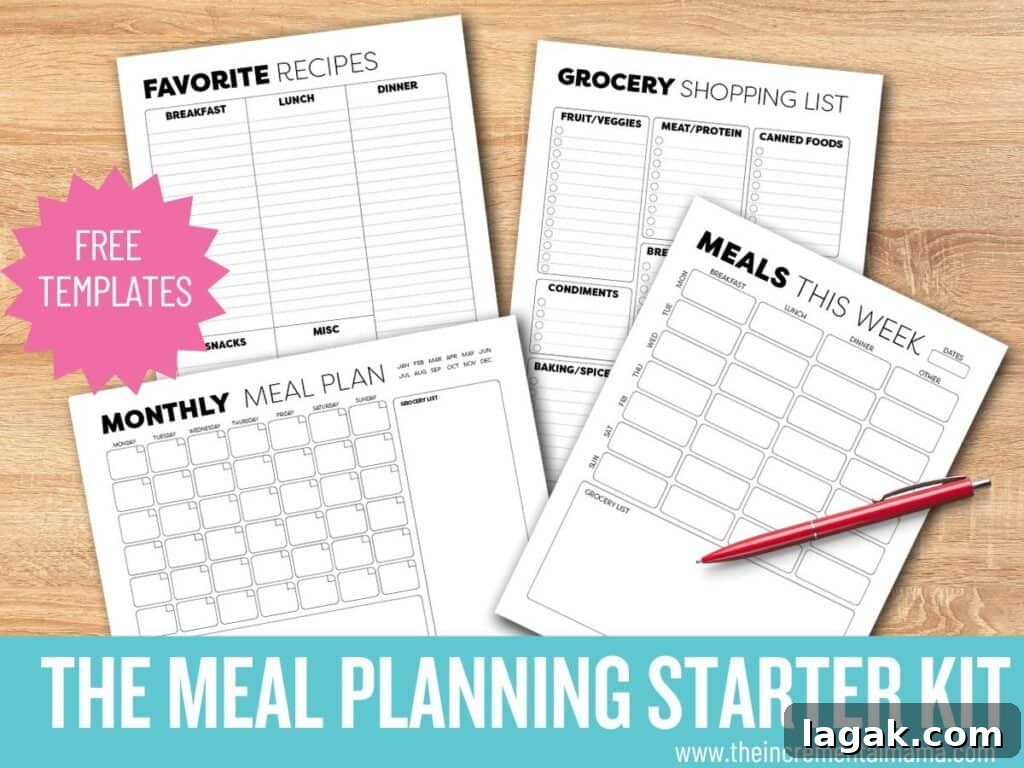
To help you get started, I created The Meal Planning Starter Kit — a set of free printables that walk you through these steps and make it easy to start planning whether you have a family of four or ten.
Benefits of Meal Planning When You Have Kids
Managing a household means juggling a long to-do list and a packed schedule. Coming up with meals every day is exhausting. Meal planning streamlines the process so feeding your family becomes less stressful and more efficient.
1. Saves Time
With a meal plan you avoid unnecessary store runs for single items, reduce the daily scramble to decide what to cook, and eliminate the mental load of inventing dinner when you’re tired.
2. Helps You Eat Healthier
Planning ahead makes it easier to choose balanced, whole-food meals rather than turning to processed convenience options. It also gives you a chance to try new recipes intentionally.
3. Saves Money
When meals are planned, your shopping list reflects what you actually need, which reduces impulse buys, lowers food waste, and helps avoid last-minute takeout expenses.
4. Reduces Stress
Knowing what you’ll cook each night takes away the daily decision pressure and eliminates the frantic last-minute choices when everyone is already hungry.
5. Limits Food Waste
Using ingredients intentionally prevents produce from languishing and going bad, saving money and cutting down on your environmental footprint.

Tips to Meal Plan for a Family
Before diving into weekly planning steps, these practical tips will make the habit easier to form and maintain.
1. Build the habit once a week
Decide a day and time each week to plan meals. Treat it like an appointment so it actually happens. Weekends often work well, but choose a time that gives you enough lead time to shop before ingredients run out.
2. Start with one week at a time
A monthly plan sounds appealing but can be overwhelming. Begin by planning one week; once it becomes routine, you can expand if that helps.
3. Involve your family
Ask family members for meal ideas. Involving everyone generates ideas, shares responsibility, and helps kids and partners feel connected to mealtime.
4. Use a Family Favorites template
Keep a running list of easy, simple, and quick family favorites to refer to when you’re stuck. Having ingredients on hand for a few go-to recipes makes last-minute meals manageable.
5. Keep recipes organized and accessible
A recipe binder or folder makes it fast to reference ingredient lists while you plan. Use a 3-ring binder, dividers, and page protectors for printed recipes so you can flip through ideas quickly.
6. Don’t test too many new recipes at once
Introduce new dishes slowly, especially if you have picky eaters or children with sensory needs. Try one new recipe per week so meals stay reliable and low-stress.
7. Consider individual likes and dislikes
You don’t need to make every meal a favorite for every family member. Balance the menu so if someone dislikes one night’s meal, another night features something they enjoy.
8. Simplify with theme nights
Assign themes to nights to reduce decision fatigue and add variety. Examples include:
- Mexican Monday: tacos, enchiladas, or fajitas.
- Italian Tuesday: pasta or pizza.
- Asian Wednesday: stir-fry or curry.
- Throwback Thursday: childhood favorites.
- Fish Friday: grilled salmon or fish tacos.
- Soup & Salad Saturday: light, flexible meals.
- BBQ Sunday: grilled meats and sides.
- Leftover Remix: creative use of week’s leftovers.
Theme nights are especially useful on busy days—slow cooker or freezer meals can be lifesavers when schedules get hectic.
9. Keep easy frozen foods on hand
Frozen vegetables, fruit, and a few convenience items your family likes are useful emergencies that reduce the temptation to order takeout.

10. Make grocery shopping easier
Plan to shop once weekly if possible. Buy non-perishables, breads, and meats in bulk and freeze extras. Use grocery pickup or delivery if it saves time.
11. Delegate meal prep
Share responsibility with your partner or older children. Having someone else take one night a week or learn a few recipes reduces the load and builds confidence for others in the household.
How to Meal Plan for Your Family
Follow these quick steps to build a weekly meal plan that works for your household. Once you get the hang of it, the process only takes a few minutes each week.
Step 1: Gather supplies
Useful items include a weekly meal planning sheet, a family favorites list, and access to your recipes (binder or digital folder).
Step 2: Do a quick fridge and pantry inventory
Check the fridge, freezer, and pantry for items that need to be used soon and ingredients you already have.
Step 3: Review recipes and family favorites for ideas
Flip through your recipe binder or list and choose meals that match what you have on hand and what fits your week’s schedule. Ask the family for suggestions if you need inspiration.
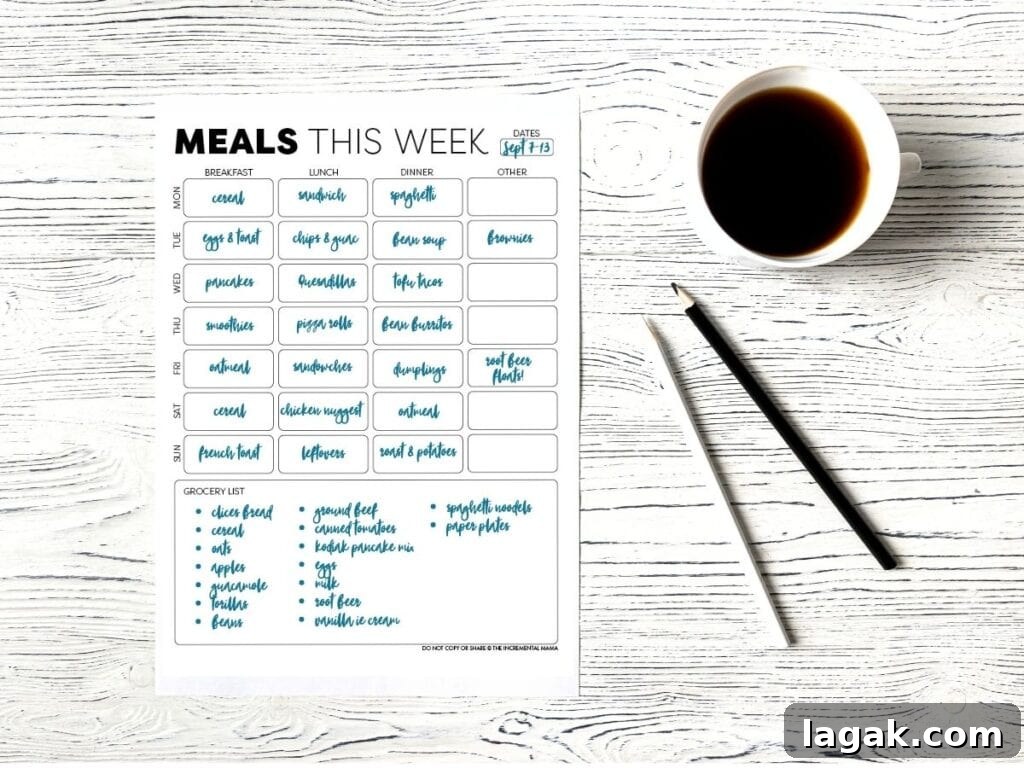
Step 4: Plan your meals for the week
Consider busy nights and schedule slower or simpler meals then. Posting the week’s menu in the kitchen helps everyone know what’s coming and reduces questions at mealtime.
Step 5: Create a shopping list
List the items you don’t have based on the recipes you chose. Use the menu sheet, a grocery list printable, or an app—whatever you’ll actually use.
Step 6: Do your grocery shopping
Shop from stores where you can find most of the ingredients. Grocery pickup or delivery can save a lot of time and make sticking to the plan easier.
Free Printable Meal Planning Templates
To simplify the process, The Meal Planning Starter Kit includes four helpful printables:
- Weekly Meal Planning Template
- Monthly Meal Planner PDF
- Family Favorite Recipes Template
- Grocery Shopping List Printable
Get Started with Meal Planning for Your Family
Meal planning is a practical way to save time, money, and stress while getting more homemade, nutritious meals on the table. Use the steps above and the Meal Planning Starter Kit to make meal planning part of your weekly routine.
You’ve got this!