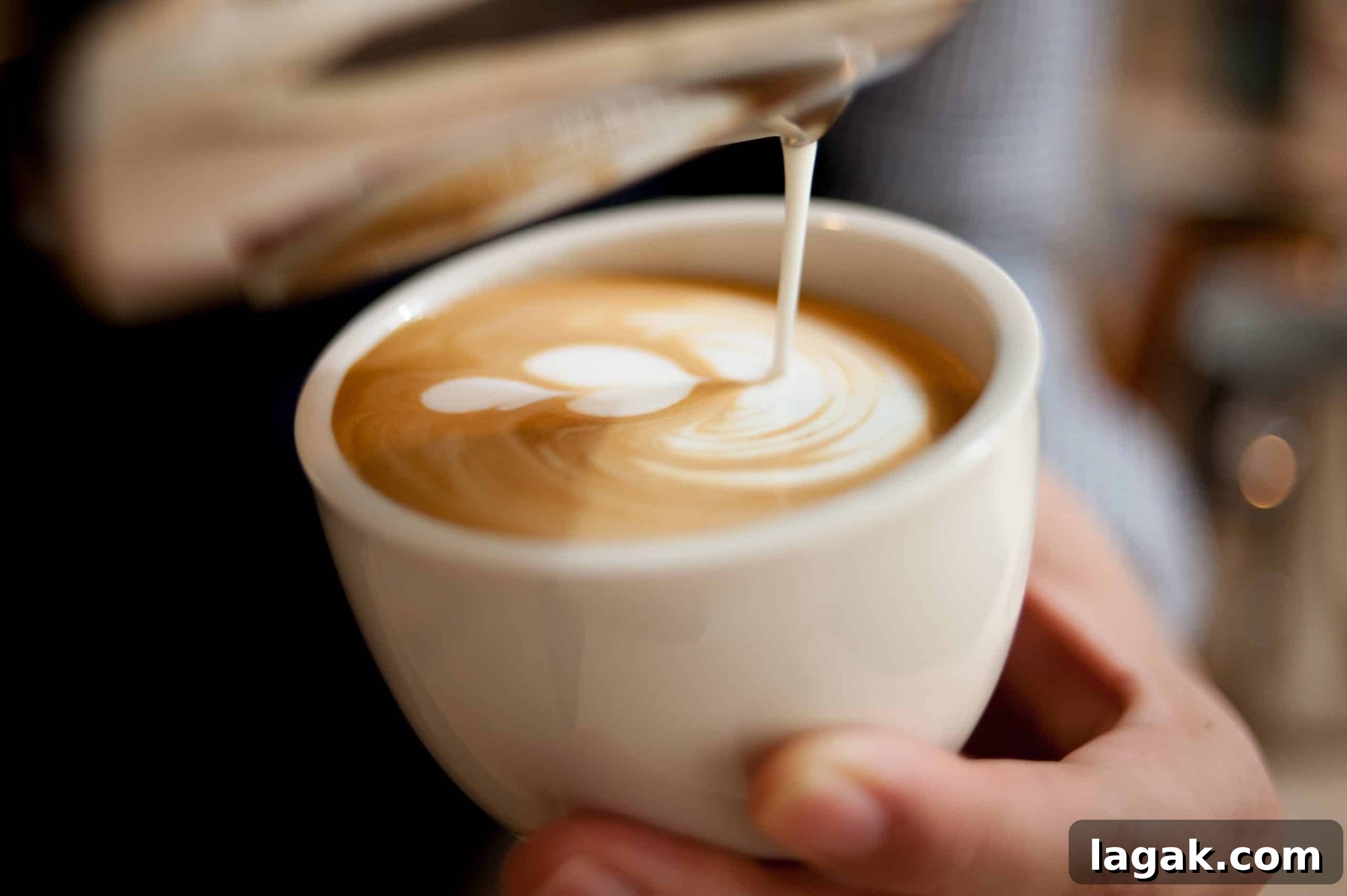
Coffee can quickly lift your energy, sharpen your focus, and support metabolism. Rich in antioxidants, regular coffee consumption has been associated in studies with a lower risk of conditions such as Parkinson’s disease and type 2 diabetes. For many people, that first sip in the morning turns a sluggish start into a productive day. Read on to learn about three popular coffee drinks and how they differ so you can choose the best cup for your taste and routine.
Which coffee should you order? The choice may surprise you.
Here are three common coffee drinks found at most cafés:
- Mocha
- Latte
- Cappuccino
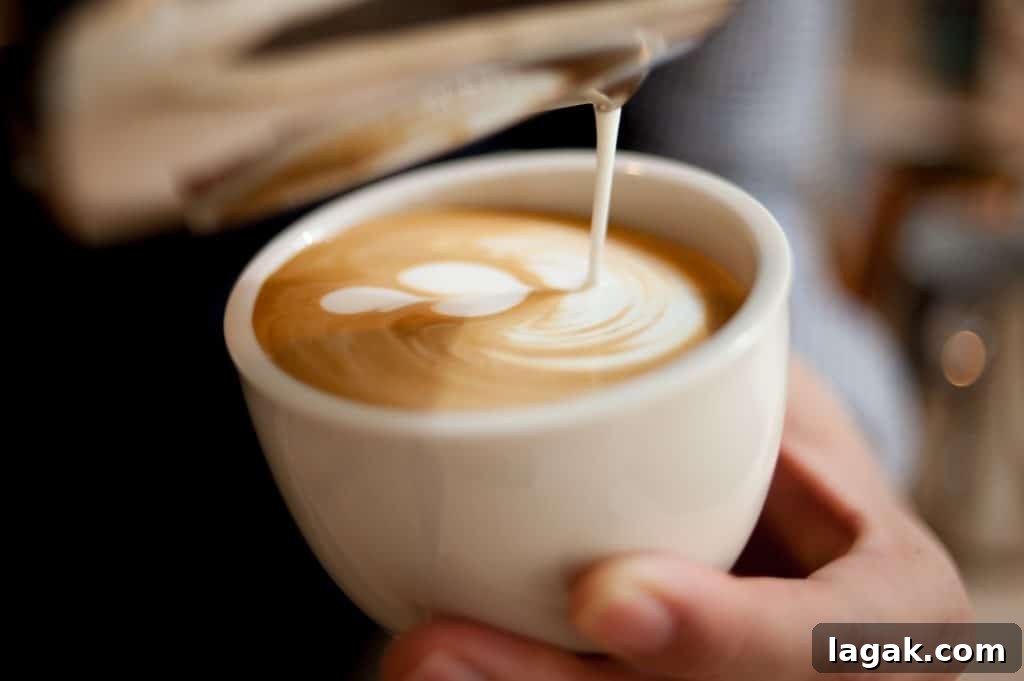
What is the difference between Mocha, Latte and Cappuccino?
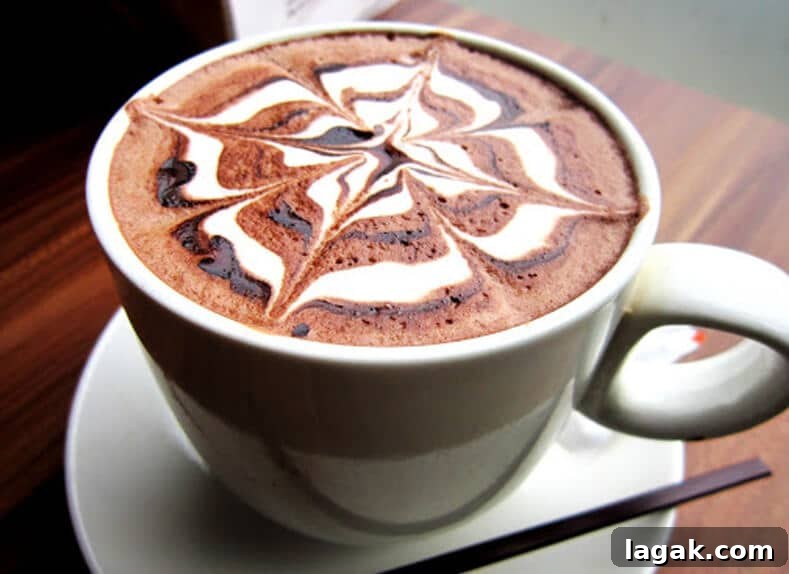
Mocha blends espresso with chocolate and steamed milk, giving it a rich, sweet profile. It’s often served with whipped cream or a dusting of cocoa for added indulgence.
A latte emphasizes steamed milk and a light layer of foam over espresso. It’s typically larger, creamier, and usually unsweetened unless syrup or sugar is added.
Cappuccino balances equal parts espresso, steamed milk, and thick foam, creating a bold espresso taste tempered by a velvety texture. It can be enjoyed plain or with a sprinkle of cocoa or cinnamon.
Which one is better: Mocha, Latte or Cappuccino?
The best choice depends on your taste and dietary preferences. If you prefer a less sweet drink with a milky texture, a latte is a good pick. If you want a quicker, sweeter option with chocolate notes, choose a mocha. If you enjoy a strong espresso flavor with a creamy, airy foam, a cappuccino is ideal. Each offers a different balance of coffee strength, milk, and sweetness.
Why are Mocha, Latte and Cappuccino so popular?
These drinks are popular because they offer approachable flavor profiles that suit many palates. They’re easy to customize—by adjusting milk type, sweetness, or size—and provide a reliable caffeine boost. Their versatility and comforting textures make them staples at cafés worldwide.
What is the origin of Mocha, Latte and Cappuccino?
The coffee trade and culture have evolved across regions and centuries. Mocha takes its name from the port city of Mocha in Yemen, an early coffee trade hub, and chocolate was later combined with espresso to create the modern mocha. Cappuccino and latte both have Italian roots: cappuccino developed from traditional Italian espresso beverages, while the latte—short for caffe latte, which means “milk coffee”—grew in popularity as cafés spread, especially in the United States in the late 20th century.
How do you make a Mocha, Latte or Cappuccino?
Mocha: Brew a strong espresso shot, then stir in chocolate syrup or melted dark chocolate. Add steamed milk and top with foam or whipped cream to taste.
Latte: Pull one or two espresso shots, steam enough milk to create a smooth, silky texture, and pour the milk over the espresso, finishing with a thin layer of microfoam.
Cappuccino: Prepare a shot of espresso, steam equal parts milk and foam to create a thicker layer of froth, and spoon the foam over the espresso so the drink has a pronounced, airy top.
What are the benefits and considerations of drinking Mocha, Latte or Cappuccino?
All three drinks provide caffeine and the potential benefits associated with coffee, including improved alertness and a dose of antioxidants. However, sweetness and calorie content vary: mochas and some specialty lattes can be higher in sugar and calories if syrups or whipped cream are added. If you’re monitoring caffeine intake or calories, opt for smaller sizes, reduced-sugar options, or alternative milk choices.
Side effects and tips
Caffeine affects people differently. Too much can cause jitteriness, headaches, or sleep disruption for sensitive individuals. If you’re sensitive to caffeine, choose single-shot drinks, decaffeinated espresso, or milk-forward beverages with lower caffeine content. Also consider milk alternatives or lower-fat options if you’re watching calories or saturated fat.

Cafe Latte
5 mins
10 mins
Equipment
- 1 saucepan
- 4 cups
Ingredients
- 2 cups milk
- 1 ⅓ cups espresso, hot and freshly brewed (dark roast)
Instructions
- Heat the milk in a saucepan over medium-low heat. Whisk quickly to create foam.
- Divide the espresso among four cups. Pour in the milk while holding back most of the foam with a spoon, then spoon the foam on top and serve.
Nutrition
Related Posts
Can You Freeze Whole Peppers?

Yellow Vs White Cake?
Garlic Shrimp and Broccoli from a Toaster Oven

Champagne In The Freezer?