Foraging can provide food and enjoyment year-round, even in cold climates. Our ancestors didn’t stop gathering in winter; they adapted. There are many wild foods available through the colder months, and with a little knowledge you can find nutritious options even when snow and ice dominate the landscape.
In Vermont, for example, the frost-free growing season is only about 100 days, so gardeners and determined foragers plan around the cold. Even at 30 below, the woods and fields still hold edible resources. Here’s a practical guide to wild foods you can find in winter.
Foraging Nuts and Seeds in Winter
Seeds are dense in calories and store well. The main challenge is competition from wildlife—squirrels and mice often get to the best caches first. In a survival situation, finding an animal stash can be an efficient way to recover calories, but in ordinary times consider leaving some for the animals.
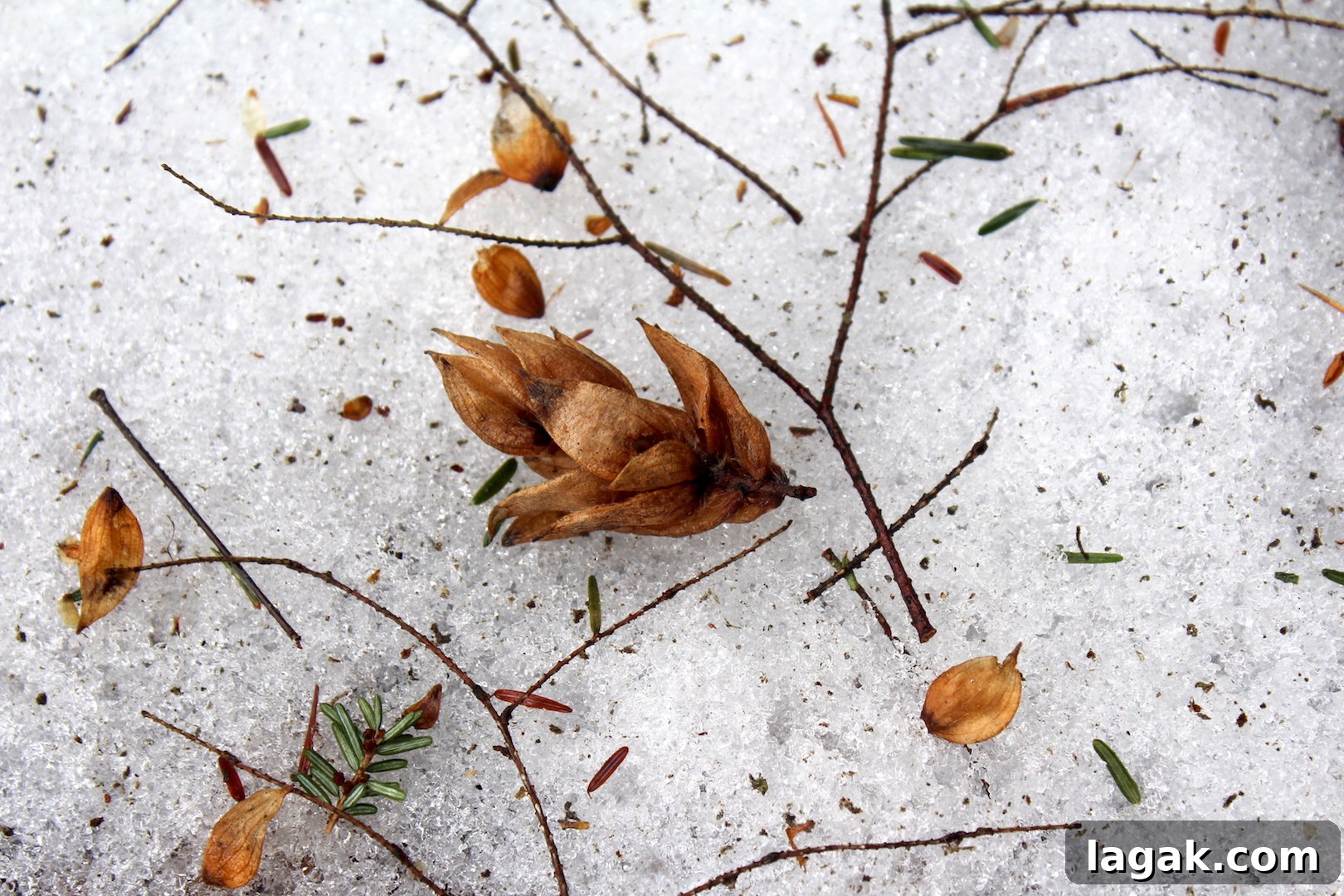
Hop Hornbeam Seeds
Hophornbeam produces plentiful small nutlets, each enclosed in a papery husk. The seeds are about the size of sunflower seeds. Removing the husks takes work, but the kernels can be toasted and eaten. The trees often retain many seeds on the branches well into winter, slowly dispersing them through wind and snow.
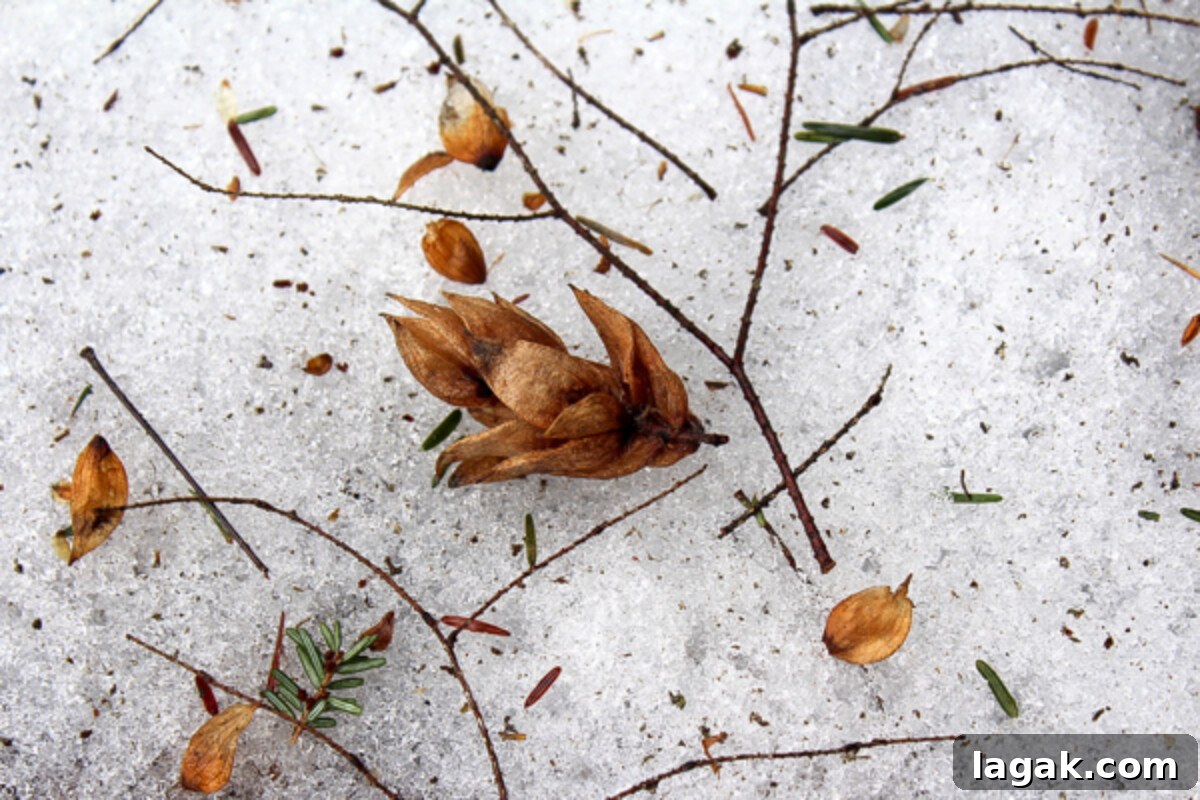
Black Walnuts
Black walnuts can remain available through winter. They have a pulpy outer husk that stains strongly, so handle with care. Inside the husk is a very hard shell that requires a hammer or rock to open. They can be a bit more bitter if left in the husk longer, but still provide valuable calories and flavor.
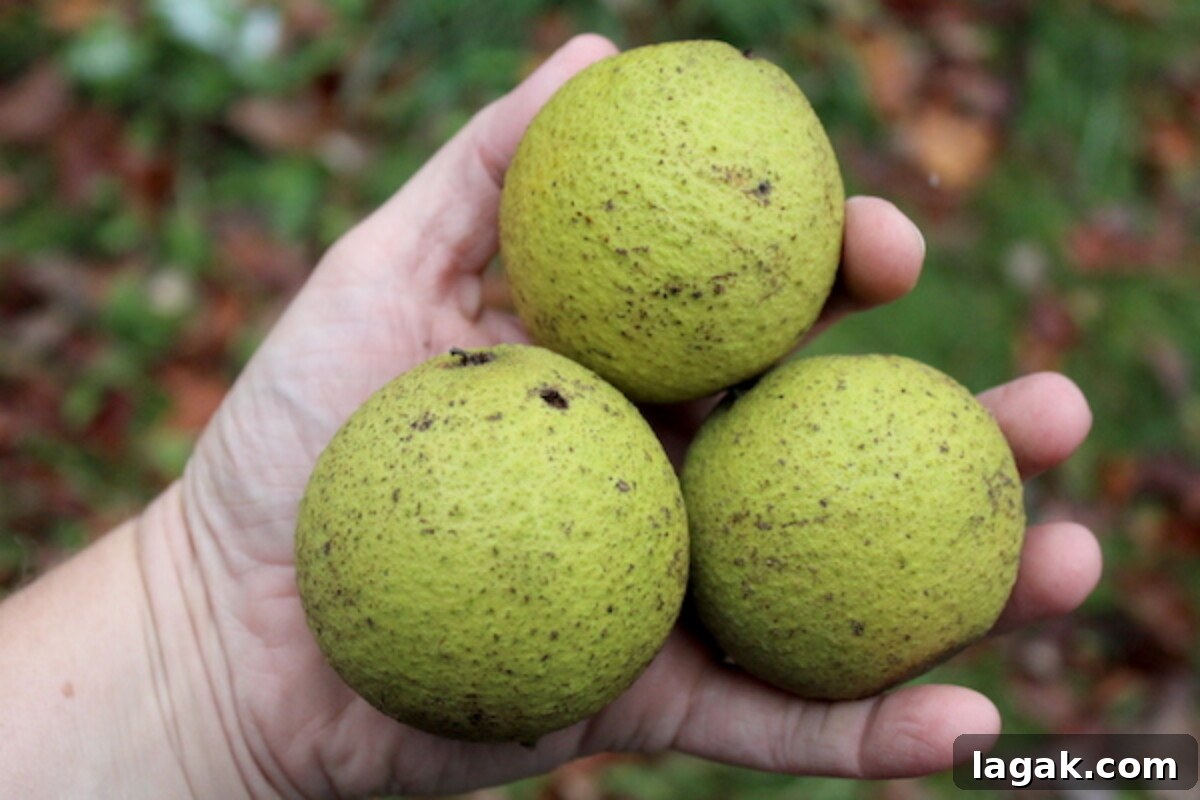
Dock Seeds
Dock species are widespread and produce tall, fibrous seed stalks that stand through snow. The seeds resemble buckwheat and can be toasted and ground into flour. They strip easily from the stalk, allowing quick collection of enough seed to make usable flour.
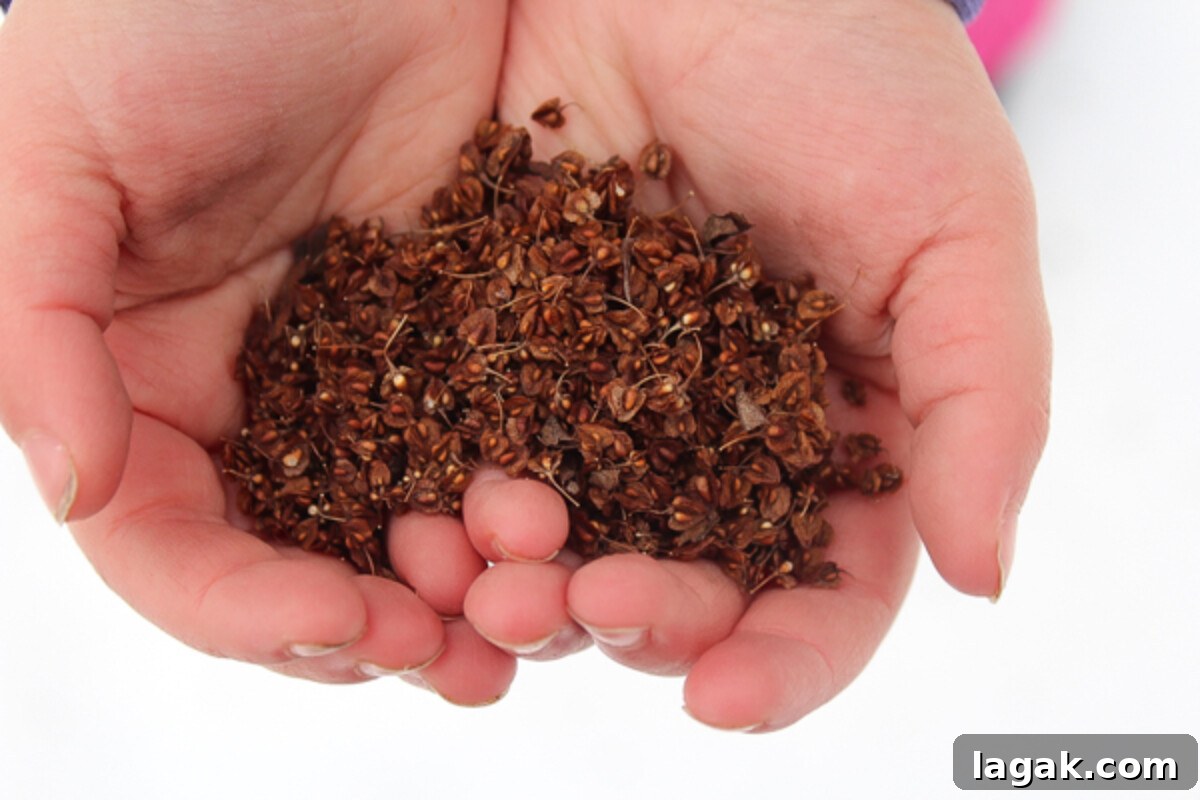
Acorns
In mast years, oaks produce far more acorns than wildlife can remove. Digging under oaks often yields acorns that can be processed into acorn flour after leaching tannins. Cold leaching methods make this possible without added fuel, and acorns have long been a staple for many cultures.
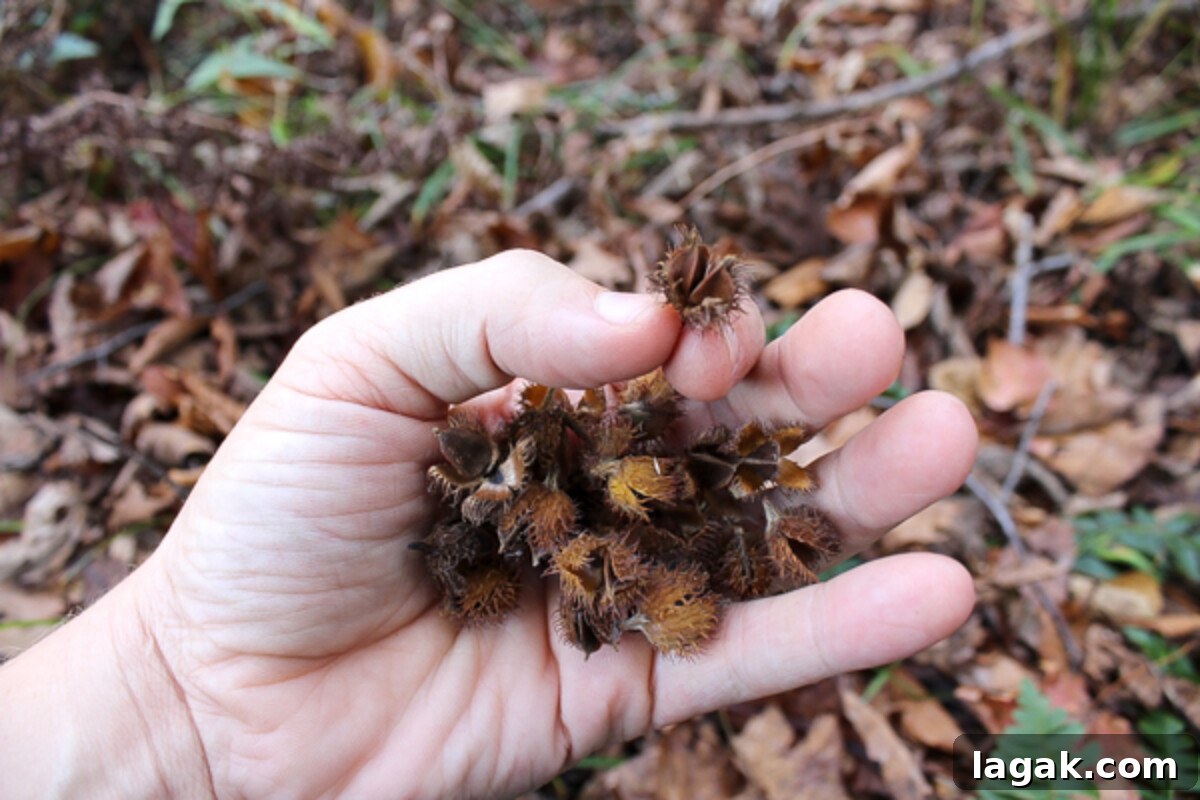
Beechnuts
Beechnuts are high in fats and protein and are often still available midwinter, especially after early snowfall hides them. Squirrels gather them aggressively in fall, but early snow can preserve caches for later recovery.
Pine Nuts
Pine cones can hold fat-rich pine nuts well into winter. Extracting them takes effort and varies by pine species, so check whether edible nut-producing pines grow in your area. In some regions non-native nut pines are planted and can be a reliable source.
Maple Seeds
Maple samaras (the winged “helicopter” seeds) contain small edible kernels. Remove the papery wings and roast the seeds to improve flavor. They are astringent raw but provide emergency nutrition and a handy trail snack.
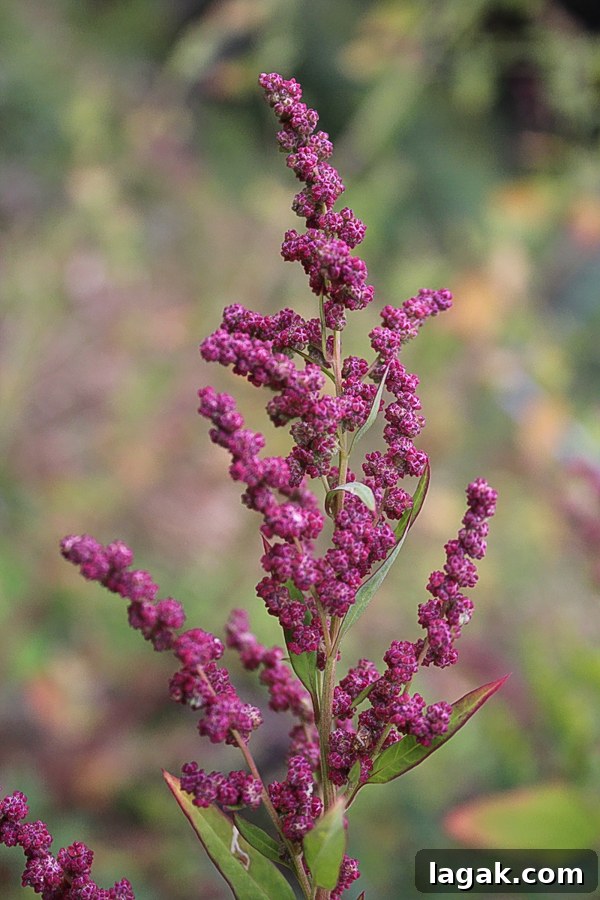
Goosefoot Seeds (Wild Quinoa)
Lamb’s quarters (goosefoot) is well-known as a spring green, but it also produces small black seeds similar to quinoa. These seed heads often remain upright through winter. Processing them requires winnowing to remove chaff, but they can yield a nutritious grain substitute.
Foraging Fruit in Winter
Cold temperatures can preserve and sometimes concentrate fruit flavors. Freeze-thaw cycles can freeze-dry fruit on the branch, keeping them available into spring. Here are common fruit options to look for.
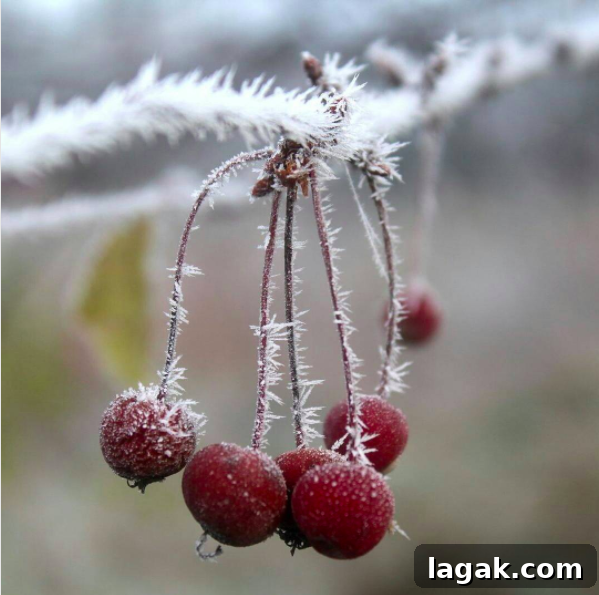
Crabapples
Crabapples often taste better after cold weather intensifies their flavor. Many varieties persist on trees through winter and into spring. They are excellent for jellies and preserves and are frequently eaten by wildlife, so harvesting early can be rewarding.
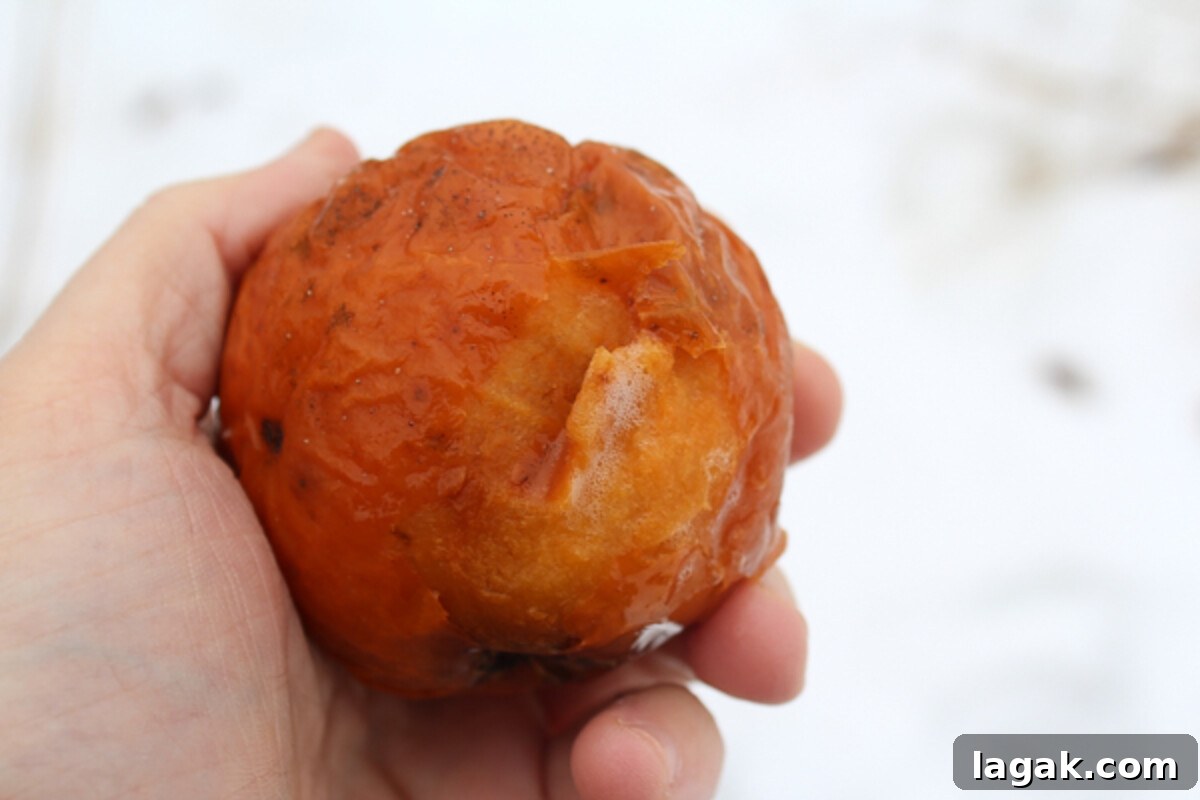
Apples
Some apple varieties store on the tree well into winter; these are sometimes called “ghost apples” when they become shriveled shells. Certain storage varieties like Newton Pippin can last months and even develop a pleasant fermented tang when exposed to frost. Not every variety stores well, so know your local cultivars.
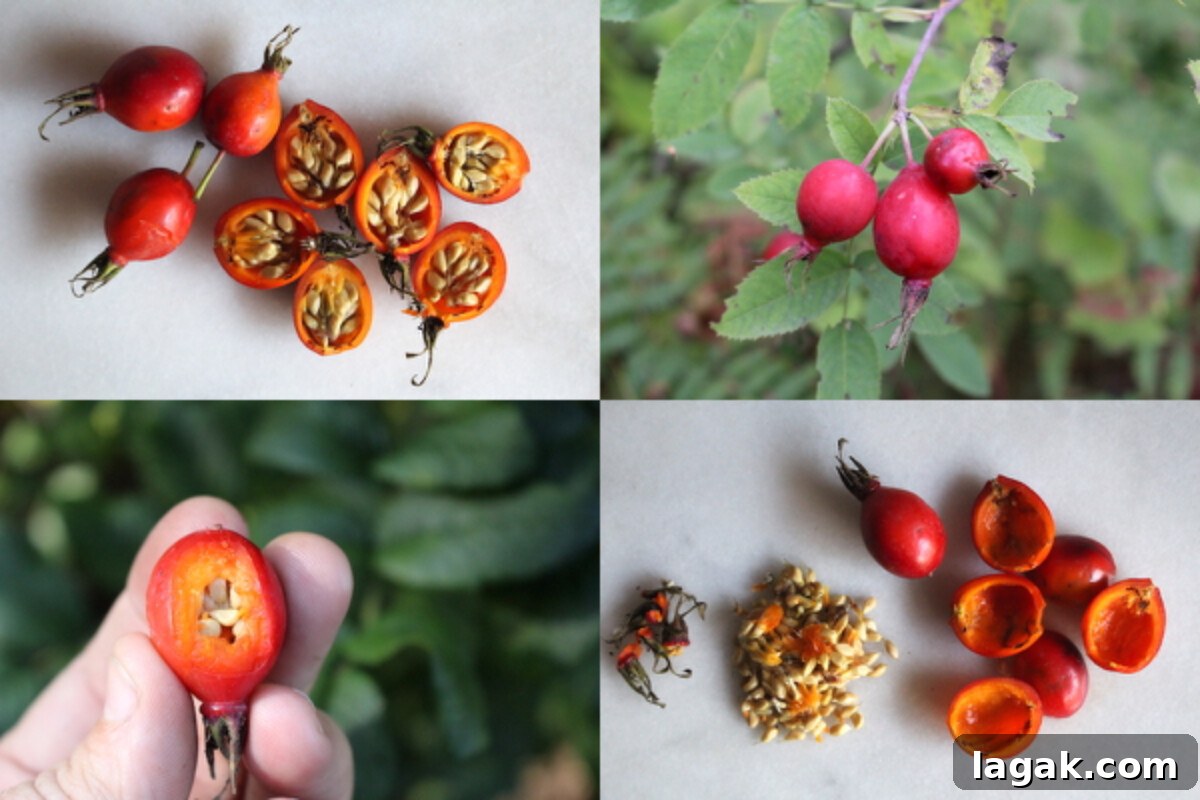
Rosehips
Rosehips are an excellent winter source of vitamin C. They persist on wild roses through the season and can be boiled into a tea or dried for immune-supporting blends. Low-hanging hips below the snow line may remain soft enough to eat fresh.
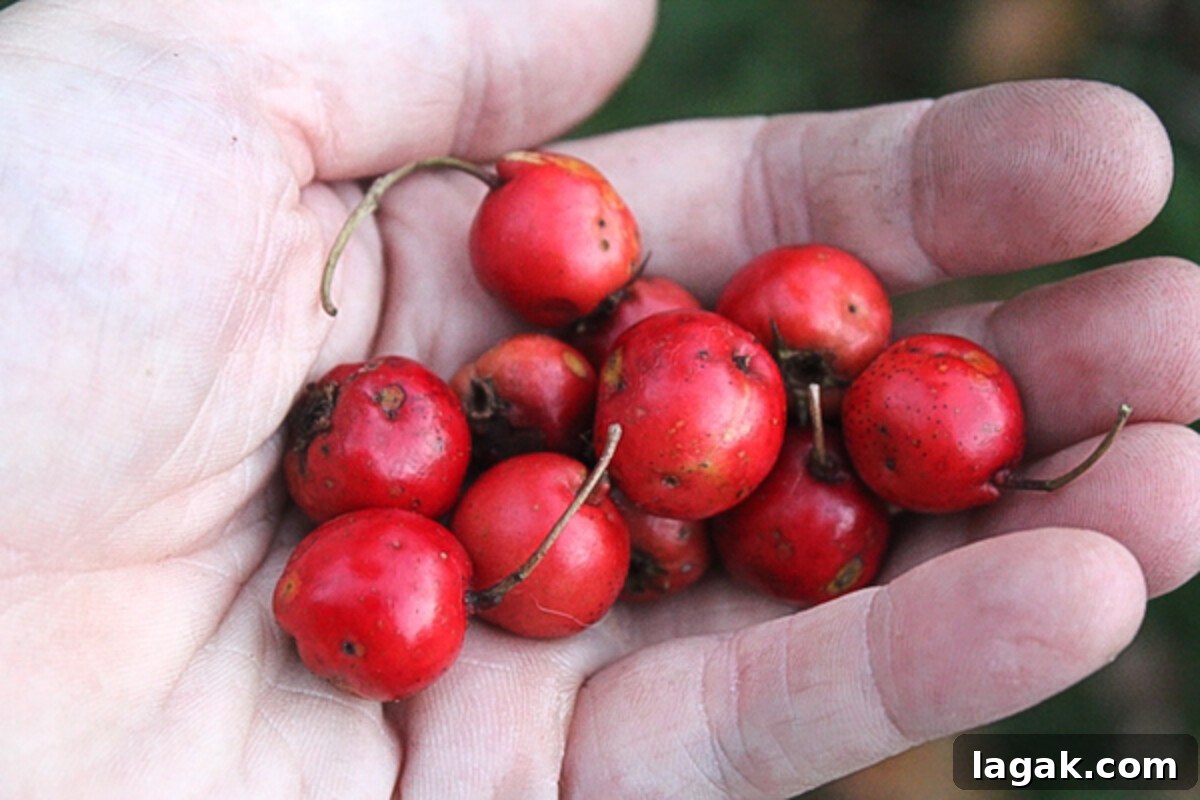
Hawthorn Berries
Hawthorn fruits are tart and astringent, resembling a cross between crabapples and rosehips. They hang on trees through winter and make good jellies or mulled cider additions, offering both flavor and nutrition.
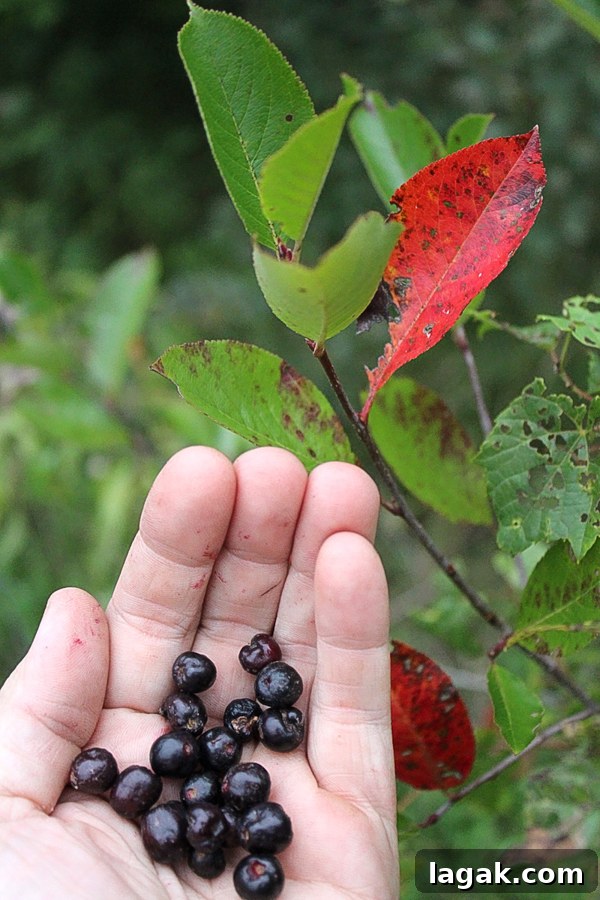
Chokeberries (Aronia Berries)
Aronia or chokeberries are very astringent and often left uneaten by birds, so they hang through winter. Though tart raw, they make excellent jellies and sauces and add depth to meat dishes.
Juniper Berries
Juniper berries ripen and are often available in winter. They are aromatic and useful as a flavoring or medicinal botanical in regions where juniper grows.
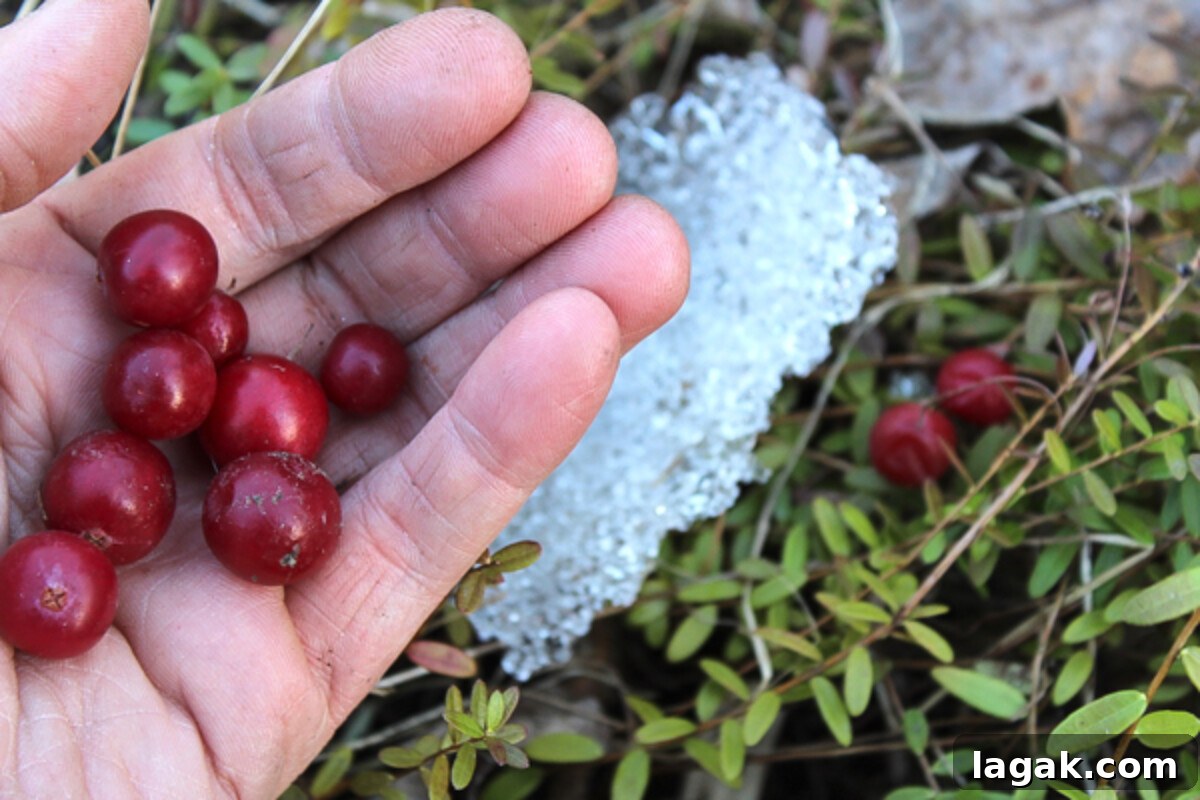
Cranberries
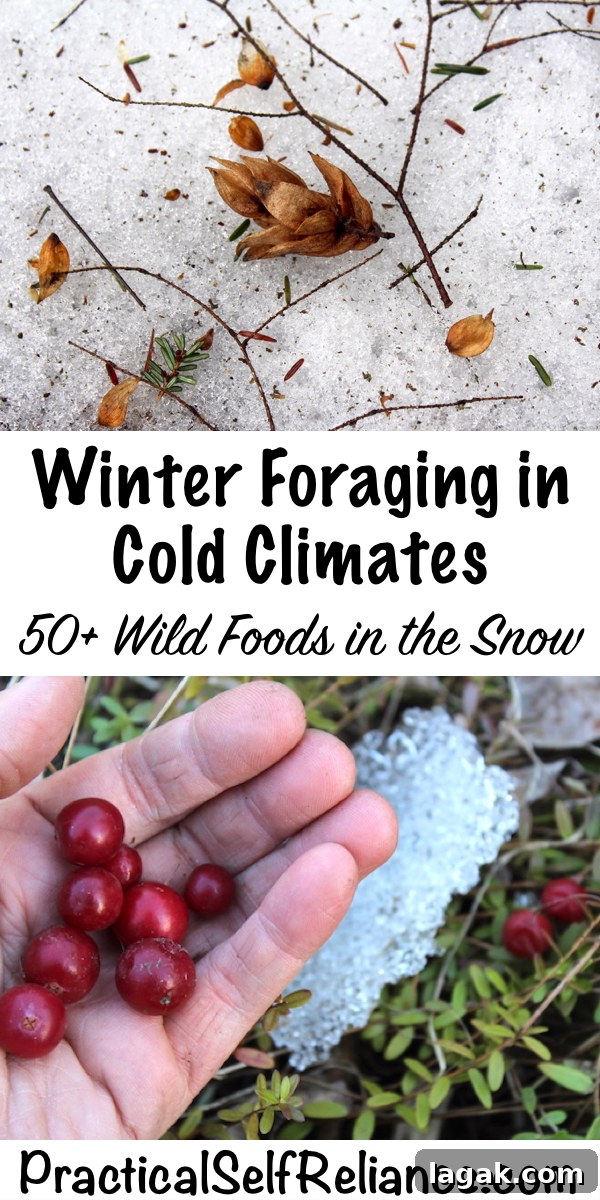
Cranberries grow low to the ground and can remain frozen under snow until thaw. During brief thaws they are accessible and can be eaten fresh or preserved.
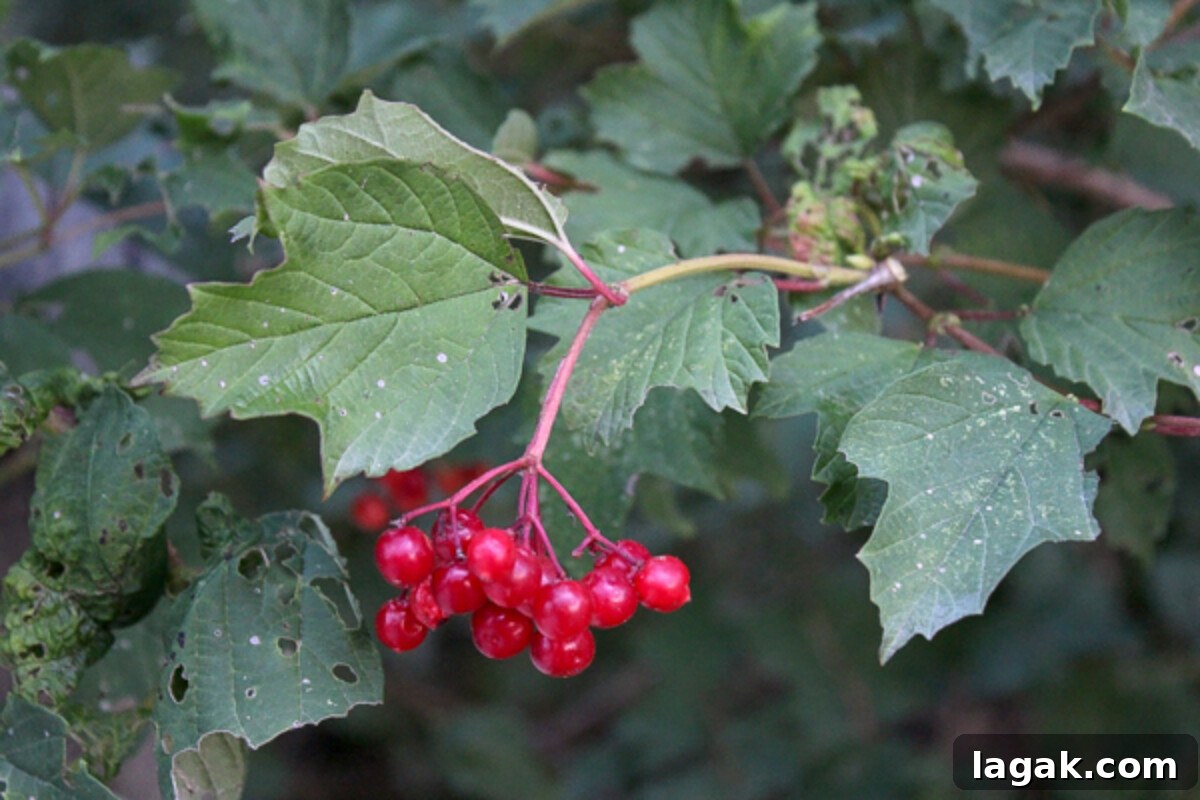
Highbush Cranberries
Highbush cranberries (Viburnum) aren’t true cranberries but share a similar tart flavor. Quality varies by plant—taste before you harvest extensively. Their tartness means they often persist on bushes through winter.
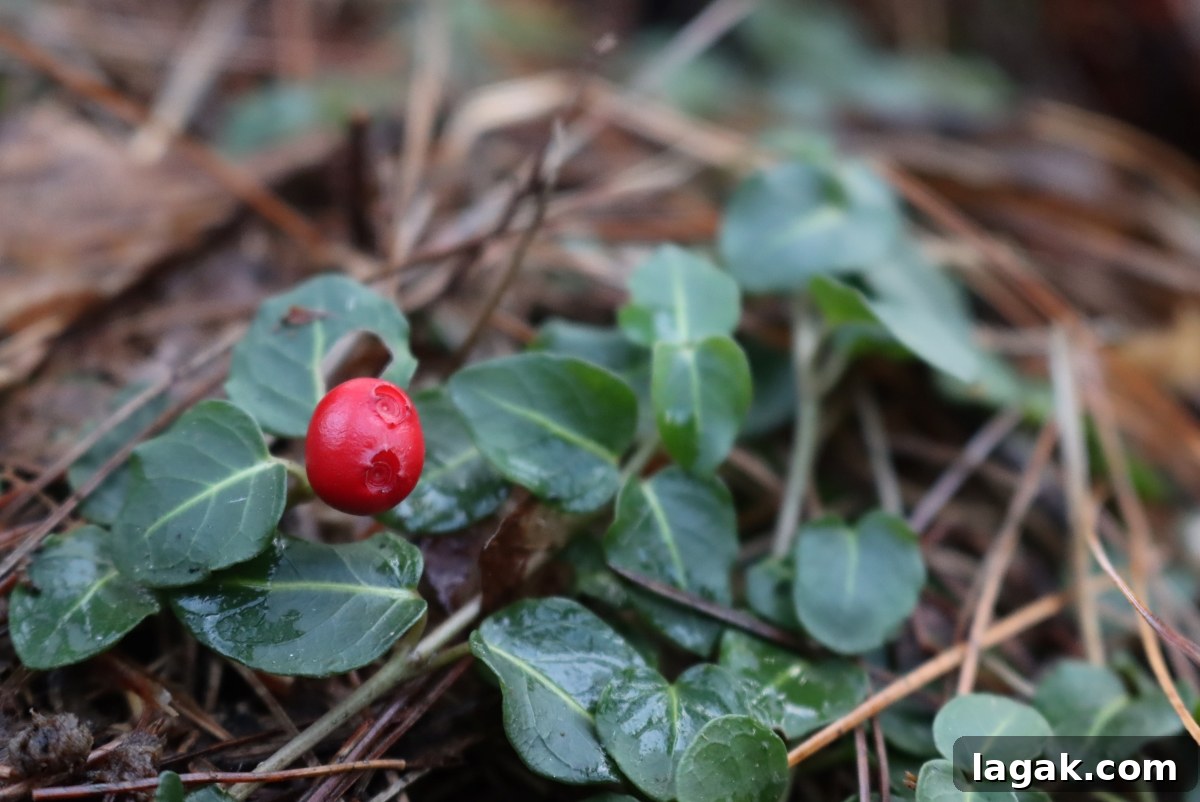
Teaberry
Teaberries (wintergreen) have small red fruits that stay under snow until spring. Both berries and leaves are edible and have a distinct minty scent. They can be used for flavoring, extracts, or desserts.
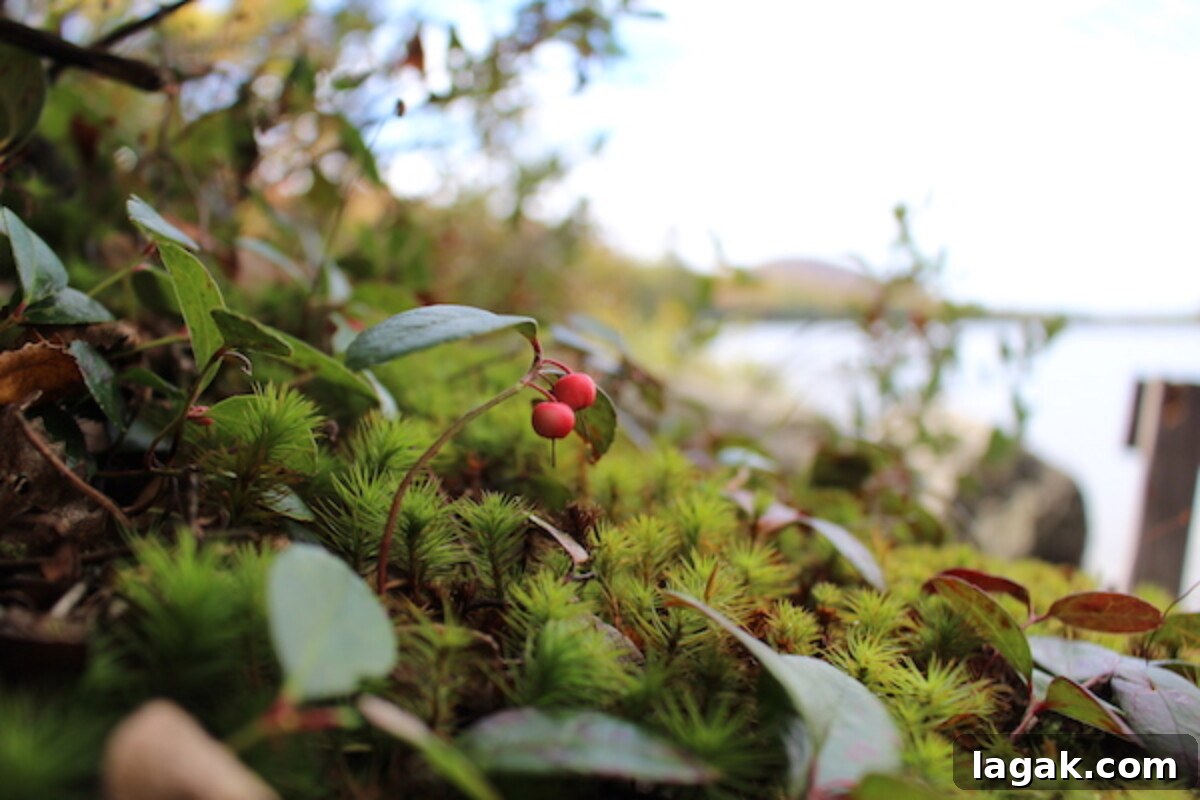
Partridge Berries
Partridge berries form a low groundcover and stay palatable through winter. They are mildly sweet and small—pleasant as a tiny fresh treat in midwinter.
Grapes
Wild grapes on exposed vines often dry on the vine into freeze-dried raisins. They are less sweet than commercial raisins but make a convenient, preserved winter snack.
Foraging Greens in Winter
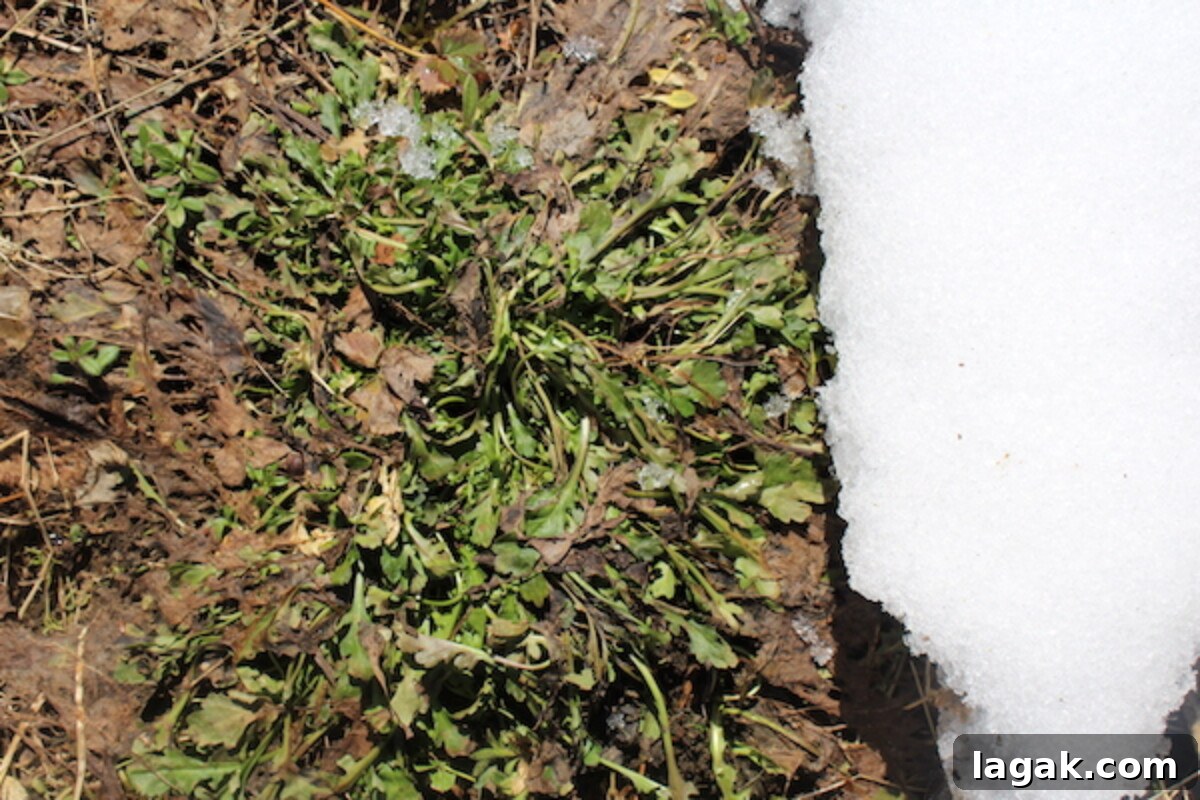
Though it seems unlikely, several edible greens persist through winter or sprout during brief thaws. Look for them when snow retreats. Common winter greens include chickweed, miner’s lettuce (Claytonia), watercress, and young daisy greens.
Foraging Tree Leaves, Sap, and Bark in Winter
Trees offer more than fruit and nuts. Inner bark, sap, and conifer needles provide edible and medicinal resources. Many tree species yield usable sap in early spring, and inner barks can be processed into flours or flavorings.
Tree Bark
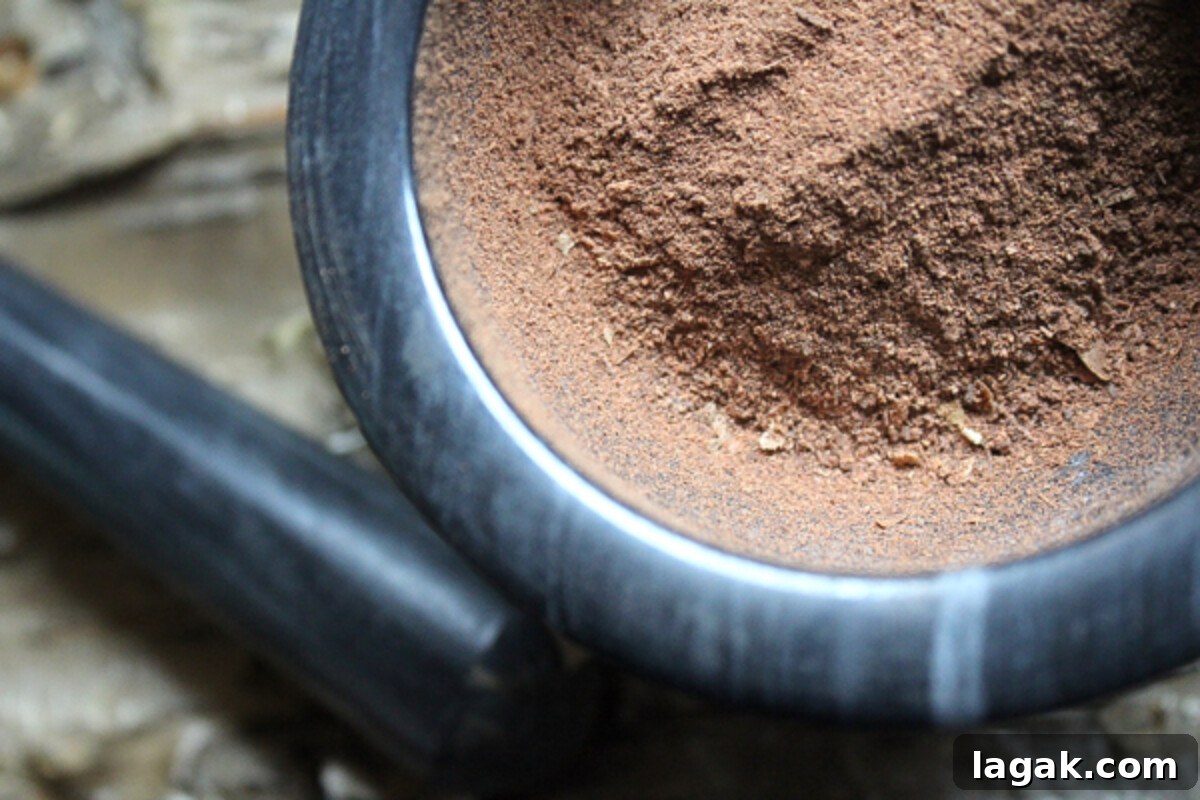
Inner bark from birch and pine has been used historically as flour or food extender. Willow bark has medicinal compounds and catkins can provide vitamin C. Some inner bark preparations have even been used as a sweetening or fermentation aid in traditional breads.
Tree Sap
Maple sap is well known, but many deciduous trees can be tapped for sap to drink or boil into syrup. Birch, linden, poplar, ironwood, and even some conifers produce useful sap in appropriate climates. Sap collection is a seasonal activity tied to freeze-thaw cycles.
Conifer Needles
Conifer needles are rich in vitamin C and make a bright, fragrant tea. They can also be used in creative recipes—infused sweets, syrups, and baked goods—that take advantage of their resinous flavors.
Foraging Roots in Winter
Roots can be located by recognizing the dried, dead tops of plants. Many taproots and tubers remain edible through winter. Familiarize yourself with species that offer usable roots, and look for their winter silhouettes in fields and marsh edges.
Burdock Roots
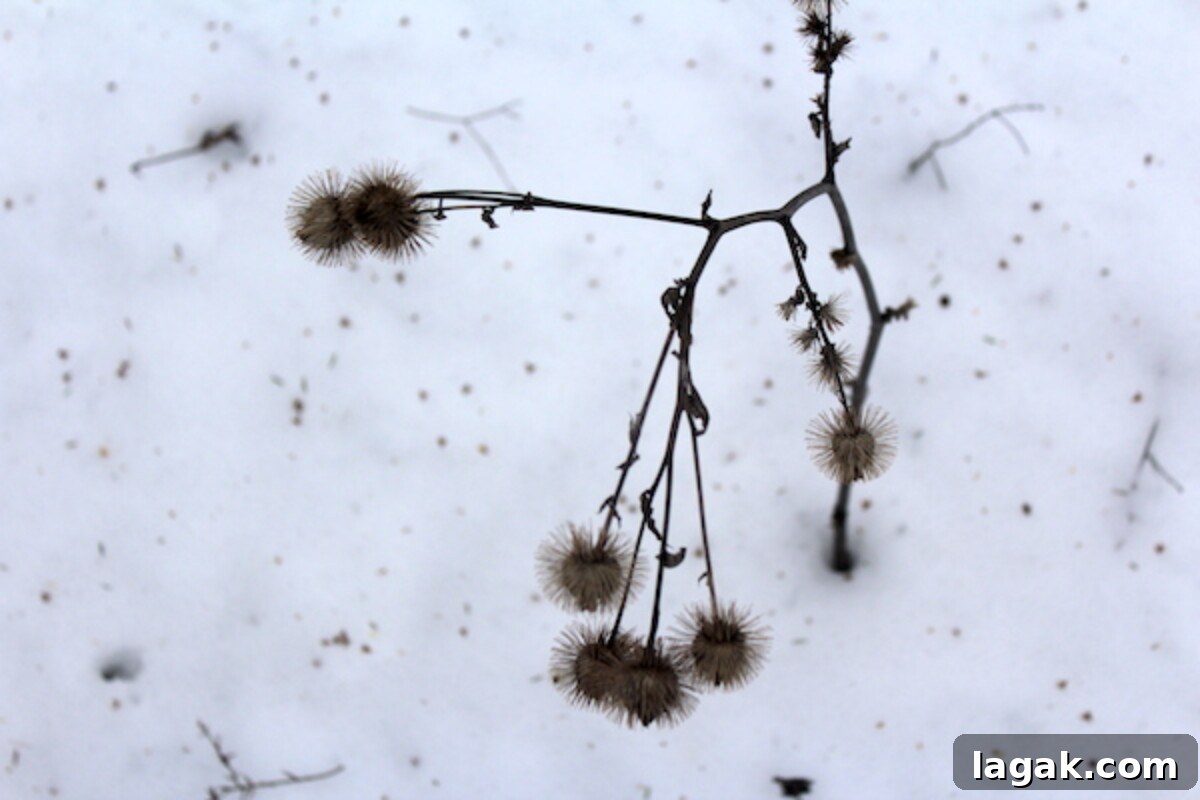
Burdock roots are starchy with an earthy, slightly bitter flavor. They can be used medicinally or cooked as a vegetable. The dried stalks with burrs in winter point directly to the root below.
Other winter roots to consider include wild parsnips, Queen Anne’s lace (wild carrot), cattails, Jerusalem artichokes, chicory, thistles, and elecampane.
Foraging Mushrooms in Winter
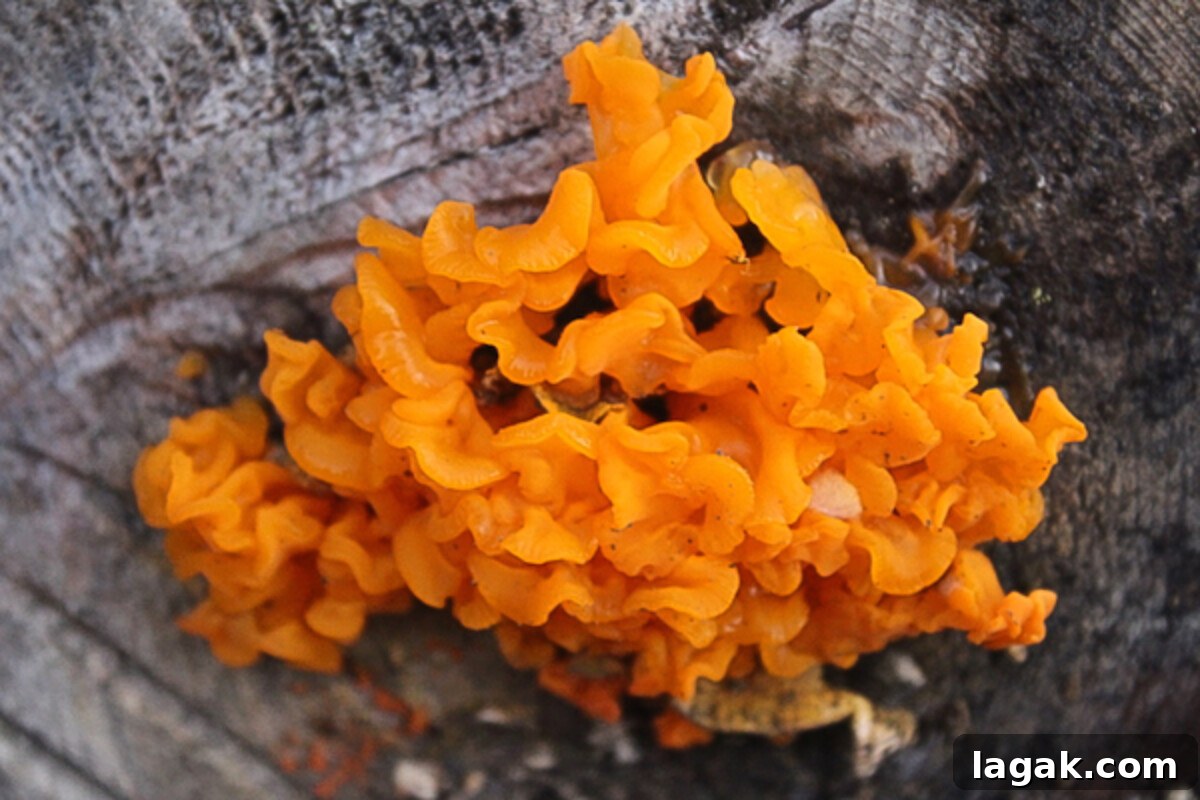
Some fungi fruit in cold weather. Edible and medicinal winter mushrooms include oyster mushrooms, turkey tail, birch polypore, tinder polypore, chaga, and witches’ butter. Many are more medicinal than culinary, but oysters and a few others provide winter edibles.
Foraging Moss, Lichen, and Seaweed in Winter
Where coastal access exists, seaweeds like kelp and dulse can be foraged year-round. Inland, mosses and lichens such as usnea and reindeer moss are noted as medicinal or emergency foods in some traditions. Always be sure of identification and local regulations before harvesting.
- Usnea (medicinal)
- Reindeer moss
- Kelp (coastal)
- Dulse (coastal)
Anything else?
This list highlights many of the wild foods observed during Vermont winters, but it is far from exhaustive. Local ecosystems offer unique species and seasonal patterns. If you forage, pay attention to local plants, wildlife competition, and sustainable harvest practices. Share what you find in your area—seasoned foragers learn from each other.
If you want more seasonal ideas, consider tracking early spring foraging opportunities as the thaw begins.