This website uses affiliate links that may earn commission from purchases. This is at no additional cost to you.
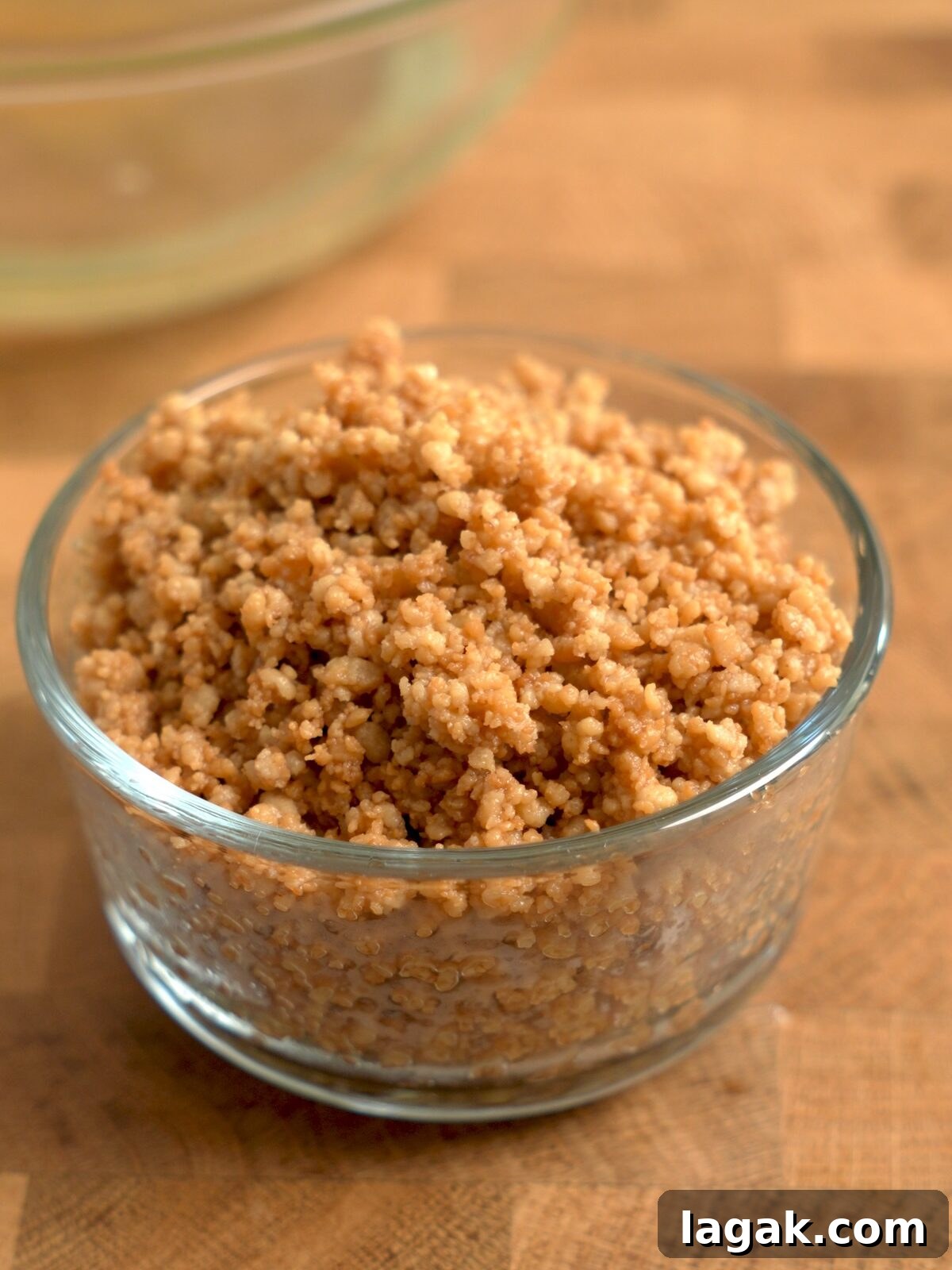
Latik is a delicious and essential element in many Filipino desserts. Numerous kakanin (rice-based sweets) are finished with latik, which adds a rich, nutty flavor and a pleasing crunchy texture that elevates the dish.
Making latik is straightforward but requires attention: the process calls for constant stirring and monitoring to avoid burning.
What is Latik?
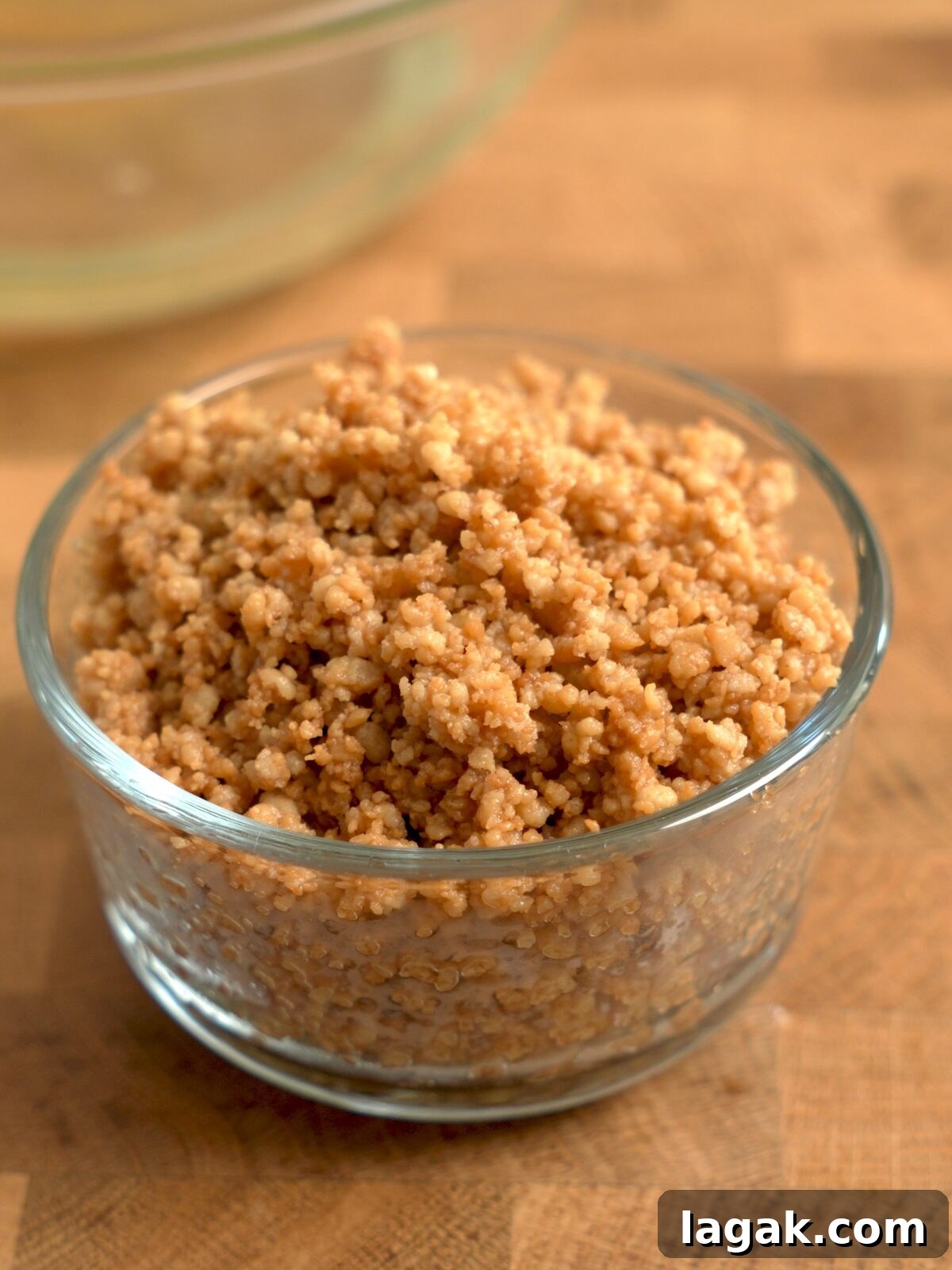
Latik are coconut curds made by reducing coconut cream until the solids separate from the oil and brown. The result is creamy and sweet, with the richness of dairy-free caramelized milk—think of it as browning butter, but using coconut cream.
Latik is primarily used as a topping for other desserts. It’s essential on biko (caramelized sticky rice), but it also complements many other sweets and even yogurt.
What Do You Use Latik For?
Latik is traditional on kakanin like biko and sapin-sapin, and it works wonderfully as a crunchy, sweet topping on puddings, cakes, or yogurt. Its versatility makes it a great finishing touch for both classic Filipino desserts and creative modern treats.
How Do You Make Latik?
To make latik, simmer coconut cream in a wide pan over medium heat, stirring frequently until the cream separates into oil and solids. The solids will curdle and brown; once they reach the desired color, strain them from the oil and reserve the oil for other uses if desired.
Constant stirring is important to prevent scorching. A wider pan helps the liquid reduce faster. If needed, you can use coconut milk in place of cream, but expect smaller yields and a thinner result.
Coconut Cream Can Vary
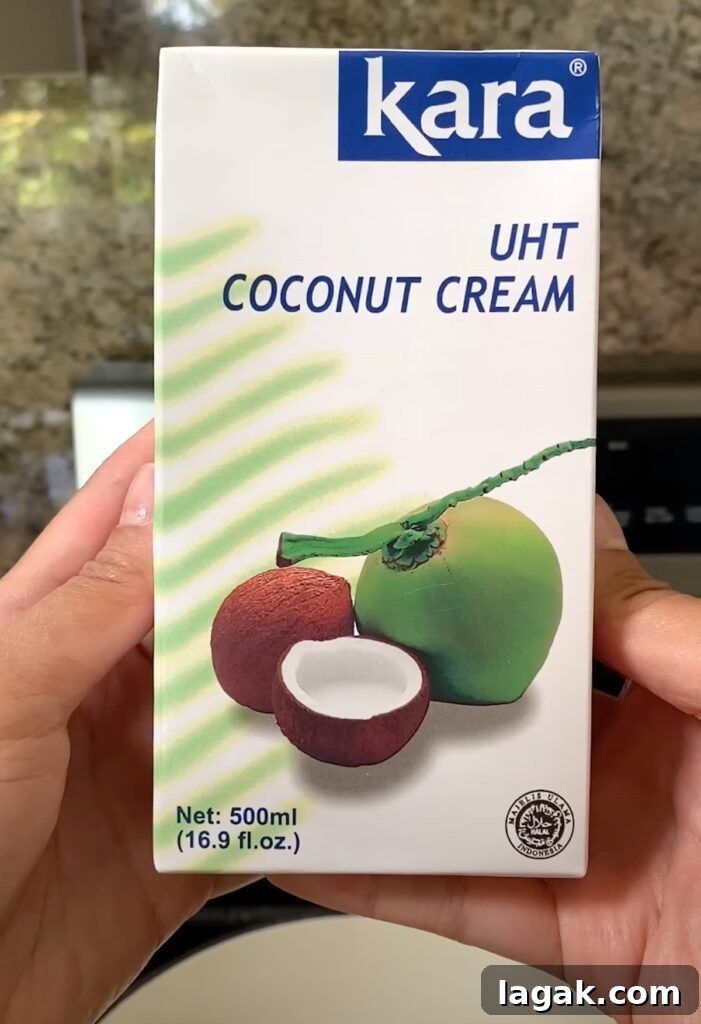
Beware that coconut cream can differ between brands and formats. For example, UHT (ultra-high temperature) boxed coconut cream behaves differently from canned coconut cream.
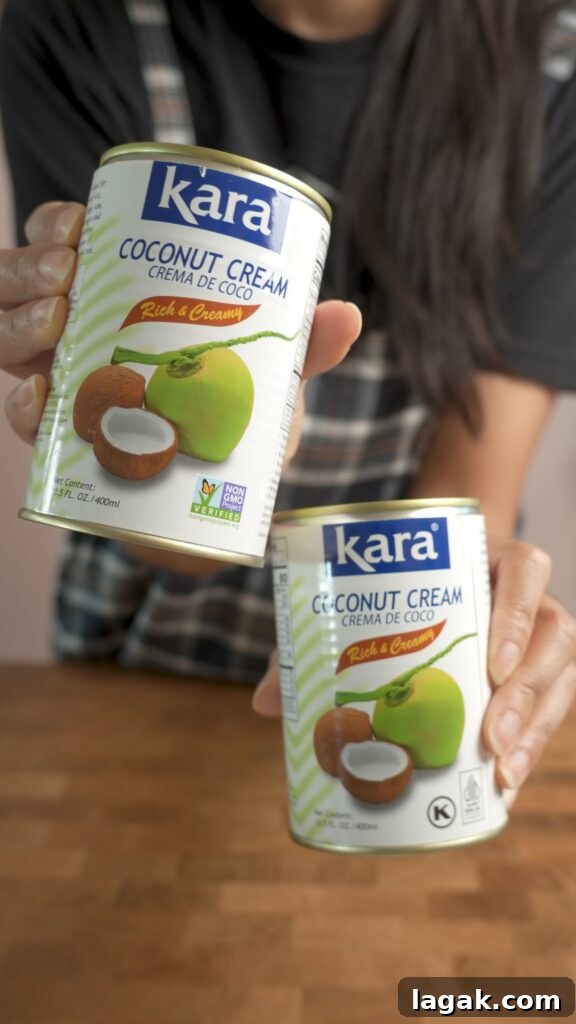
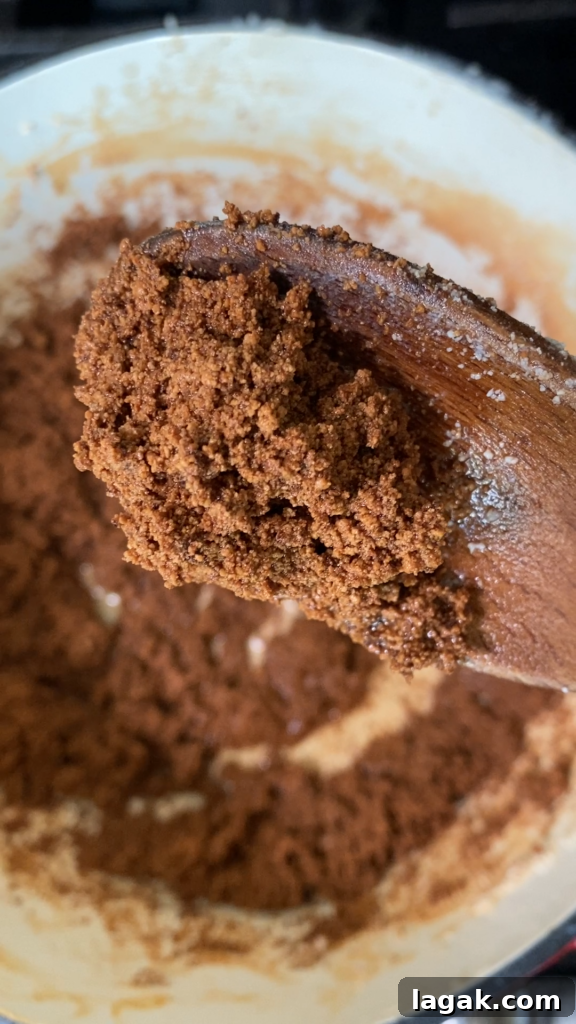
When using Kara UHT coconut cream, the latik may form lumpier curds with less visible oil separation and a darker, crispier finish. With regular canned Kara coconut cream, you’ll often see much more coconut oil and a lighter, softer latik. I tend to prefer canned coconut cream for a softer latik, though both produce tasty results.
Coconut Milk vs Coconut Cream vs Coconut Beverage
This method uses coconut cream. Coconut milk and coconut cream are both made from coconut and water, but coconut cream is thicker and higher in fat, while coconut milk contains more water. Coconut cream is preferable for latik because its higher fat content produces more curds and oil.
Both products come in cans and cartons. You can also make coconut milk by diluting coconut cream with water if necessary. Be aware that beverages labeled as “coconut milk” in the plant-based milk section are often thinner than canned coconut milk and are not ideal for making latik.
Step-by-Step Photo Guide
These photos illustrate the process, but results can vary depending on the coconut cream. Watch for color changes rather than trying to match the images exactly.
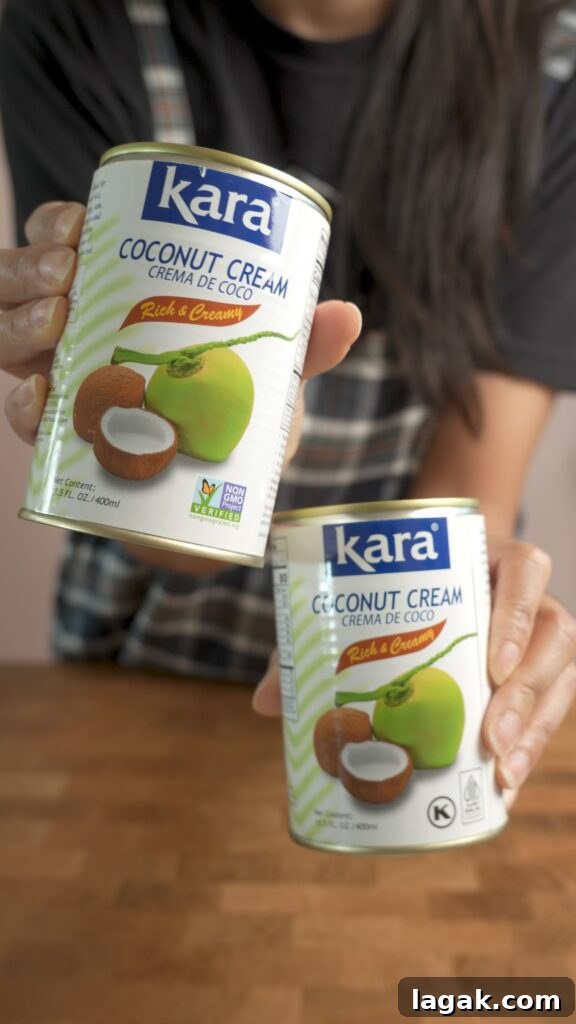
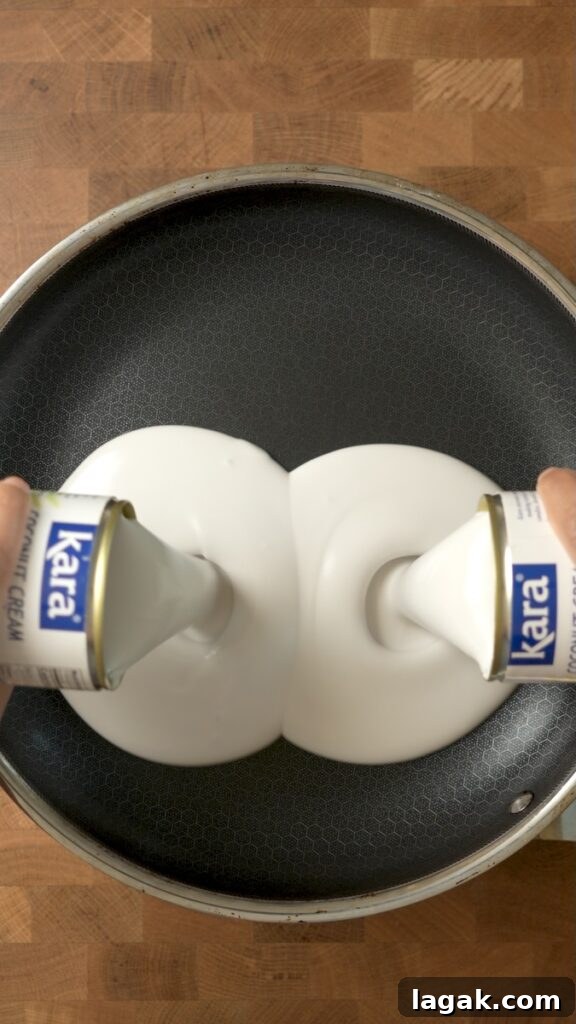
I used two cans of canned coconut cream in this example.
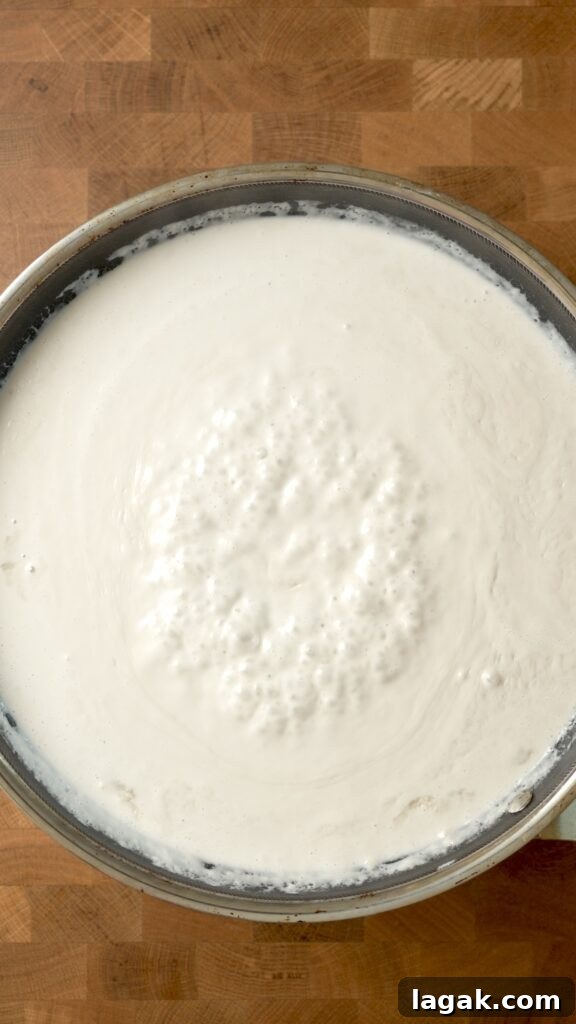
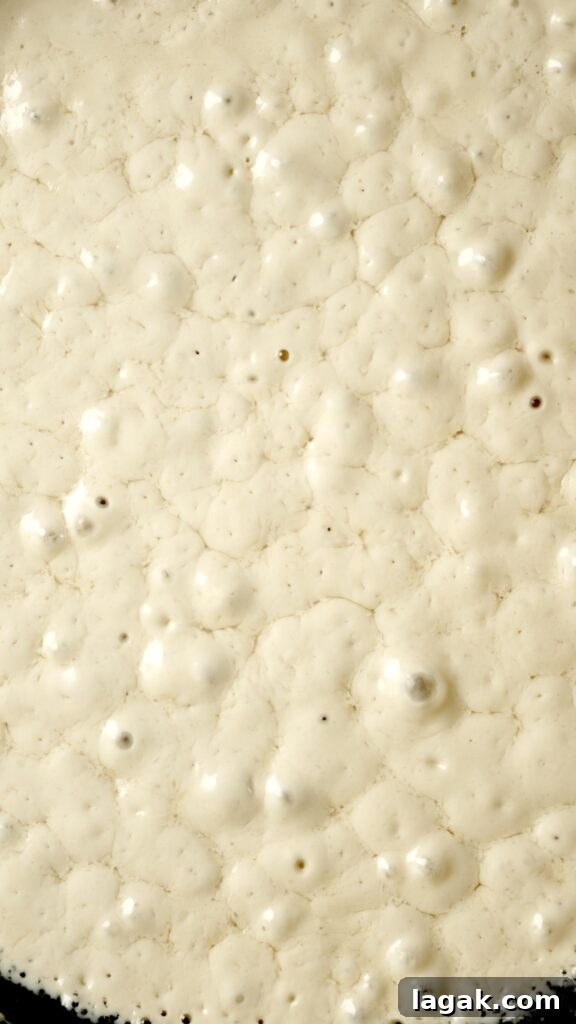
Left: the cream starts to simmer. Right: curds begin to form as solids separate from the oil.
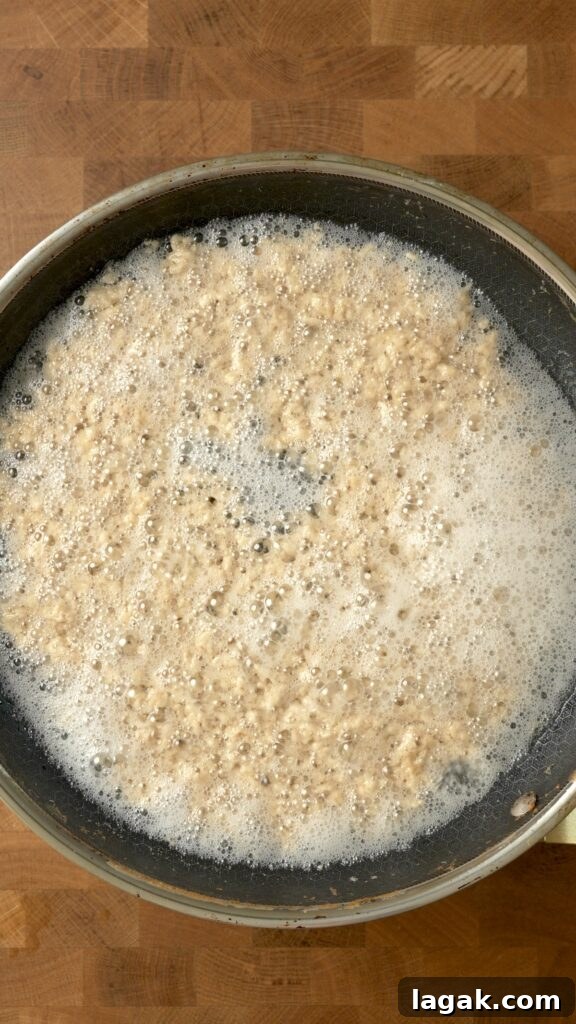
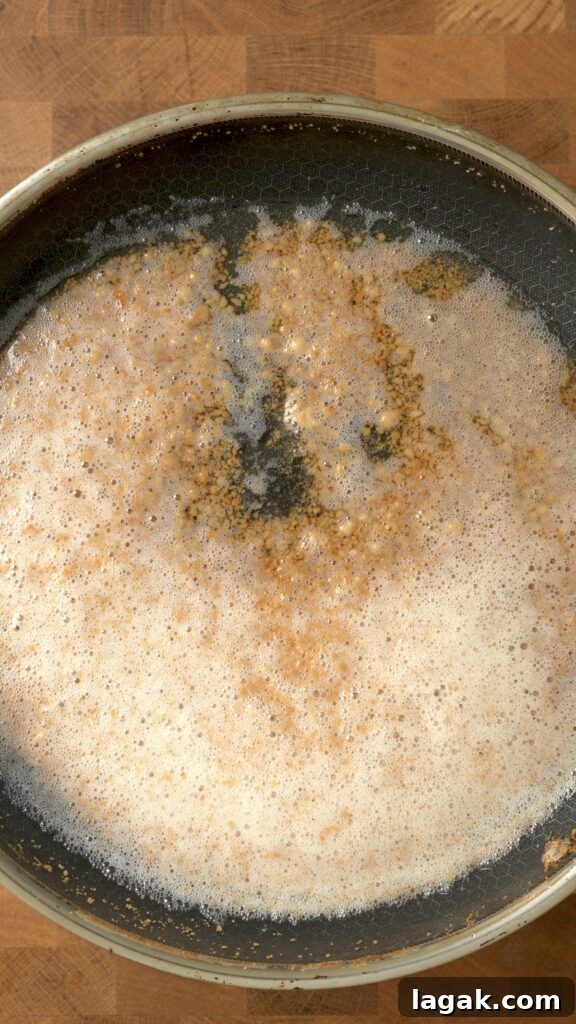
Left: solids almost fully separated. Right: separation complete and the oil has cooled slightly.
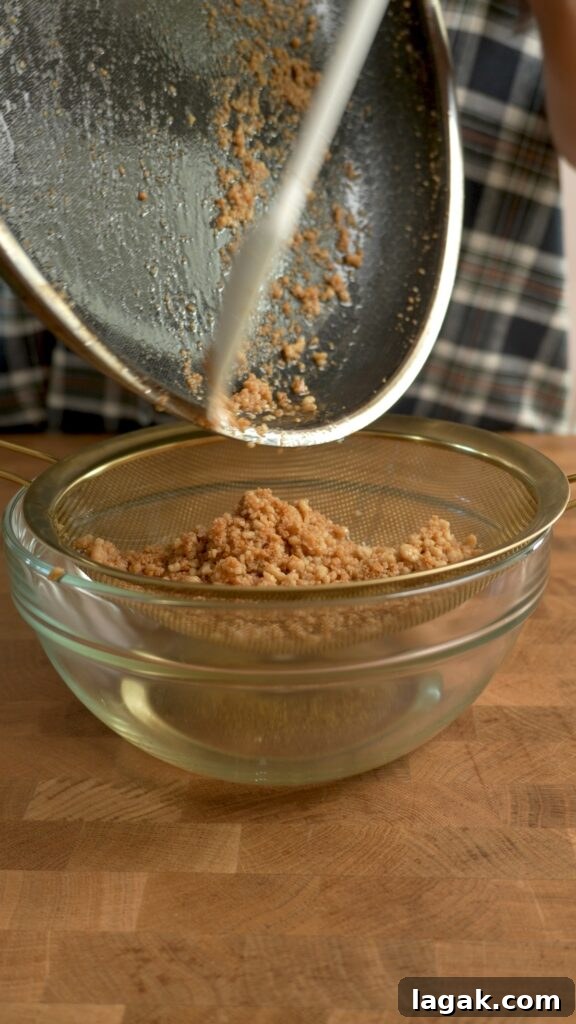
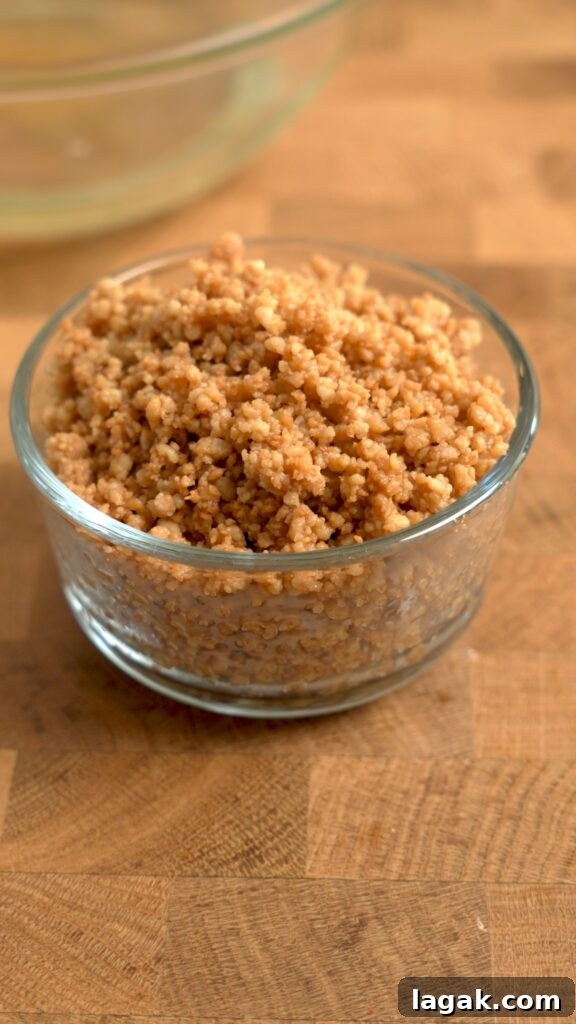
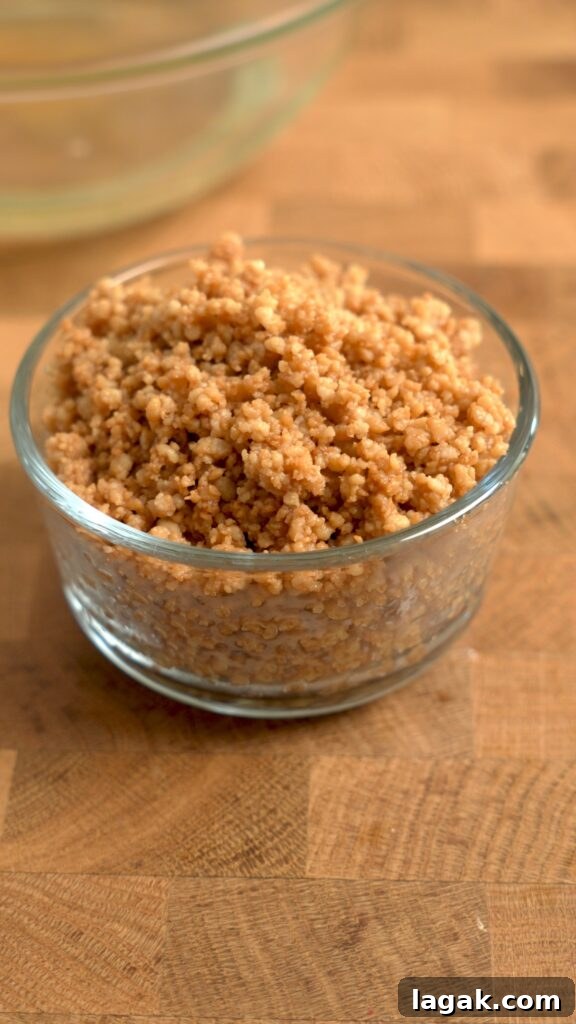
Strain the curds from the oil and they’re ready to use. This is the yield from two cans of coconut cream.
Other Recipes You Might Like
This latik guide is part of a series on kakanin. If you enjoy Filipino rice desserts, consider trying these recipes:
- Puto – a soft, fluffy rice cake often topped with cheese.
- Cassava Cake – a chewy dessert made from cassava and topped with a creamy custard layer.
- Kutsinta – steamed brown rice cakes that are a favorite at gatherings.
- Palitaw – simple flattened rice cakes coated in grated coconut and sugar.
- Biko – my favorite kakanin: caramelized sticky rice that traditionally gets topped with latik.