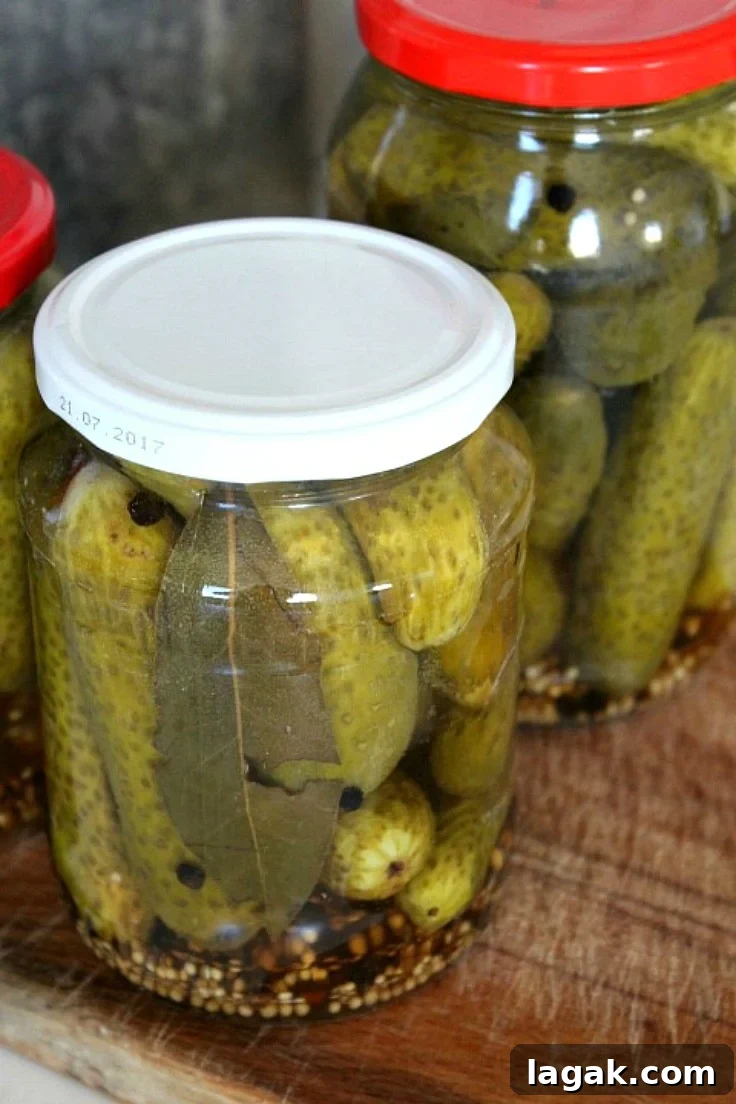
Learn how to pickle cucumbers at home with this simple, family-friendly recipe. These tangy, crunchy pickles are easy to make and add bright flavor to sandwiches, burgers, salads, and grilled dishes.
My mother taught me this pickling method when I was young, and I’ve followed her recipe for years. Homemade pickles are a regular addition to our meals — we enjoy them with grilled meats, in salads, or straight from the jar when we crave something tart and crunchy.
Cucumbers are low in calories and contain useful vitamins and minerals. A medium cucumber is about 10 calories, so pickled cucumbers make a satisfying, guilt-free snack. When prepared for long-term storage, these pickles keep for months and let you enjoy summer produce well into cooler seasons.
How to pickle cucumbers
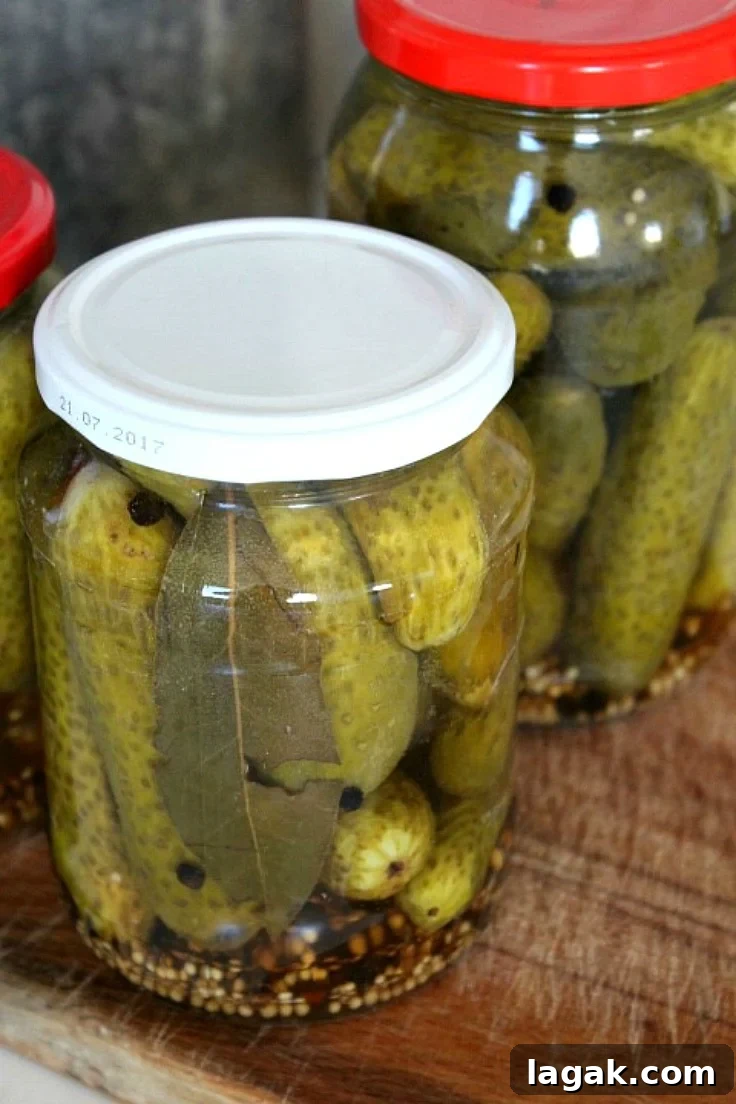
Ingredients you’ll need
- Fresh pickling cucumbers: Choose firm, unblemished cucumbers such as dill cucumbers, Kirby, or gherkins.
- Sugar: Granulated white sugar is traditional; brown or raw sugar can be used for a different flavor profile.
- Table salt: Use non-iodized salt to avoid discoloring the brine.
- Black peppercorns: For a mild peppery note.
- Mustard seeds: Add a light, tangy spice.
- Vinegar: White wine vinegar is recommended here; other vinegars will change the flavor.
- Garlic cloves: Optional, for a subtle garlicky taste.
- Dry bay leaves: For an earthy background flavor.
- Water: Filtered or distilled water gives the cleanest result.
Notes: Fresh dill is a classic addition; if you don’t have it, use 1/4 teaspoon dill seed per jar. For spicy pickles, add red pepper flakes or sliced jalapeños. You can also pack small florets of cauliflower or carrot sticks into the jars for variety.
Equipment needed:
- Pickling jars
- Measuring spoons
- Large pot
- Oven
How to pickle cucumbers with vinegar and sugar — step-by-step
Preparations
- Wash cucumbers thoroughly and discard any that are soft or damaged. Trim the blossom end.
- Decide on the cut you prefer: leave whole, slice into coins, cut into spears, or spiralize. Whole cucumbers tend to stay crisp longer.
- Soak the cucumbers in ice water for 2 hours to help them remain firm. Drain and pack into sterilized jars, leaving about 1 inch (2.5 cm) headspace.
- Sterilize jars and lids thoroughly before use.
Pickling the cucumbers
- Pack cucumbers into jars without overcrowding.
- Pour a small amount of vinegar into the bottom of each jar (about two fingers’ depth).
- Add 1 teaspoon of sugar and 1 teaspoon of salt per jar. For sweeter pickles, increase sugar to 2–3 tablespoons per jar.
- Add spices: 2 large bay leaves (or 3 small), about 30 peppercorns, and 1 teaspoon mustard seeds per jar. Add 2–3 garlic cloves per jar if using.
- Fill each jar with water nearly to the rim so the cucumbers are completely submerged.
- Screw the lids on tightly.
- Place jars in a large pot, cover with water up to the lids, and bring to a rolling boil. Boil for 5 minutes; jars will begin to change color.
- Remove the pot from heat and let the jars cool in the water for 1 hour.
- Transfer jars to a baking sheet, place them bottoms up, and put them in a preheated oven set to low for 15 minutes — this helps seal the lids and finish the process.
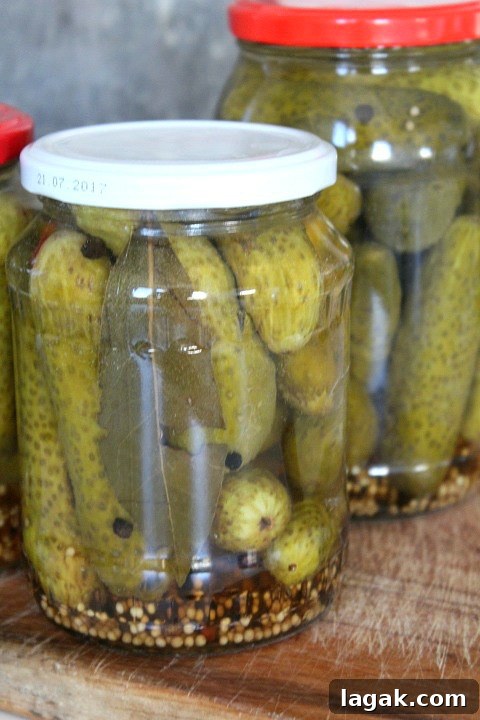
Tips for perfect pickled cucumbers
- Choose fresh, firm cucumbers. Avoid soft or bruised fruit.
- Soaking cucumbers in ice water before packing helps them stay crisp.
- If you want to experiment, try different vinegars like apple cider or rice vinegar for new flavor profiles.
- Add herbs and spices — dill, garlic, coriander seeds, or red pepper flakes — to customize the taste.
- Always sterilize jars and lids before canning to reduce the risk of spoilage.
Recipe variations
Adjust this base recipe to suit your taste. Here are a few easy variations:
- Make sweeter pickles by adding more sugar or substituting honey.
- Add different herbs such as rosemary, thyme, or coriander seeds for new flavor notes.
- Swap white wine vinegar for apple cider or rice vinegar for a different tang.
- For spicy pickles, include red pepper flakes or sliced jalapeños.
What to serve pickled cucumbers with
Pickled cucumbers pair well with grilled or roasted meats like steak and chicken, with stews, and as a bright, acidic contrast on burgers and sandwiches. They’re also an ideal side for BBQs, picnics, and cold salads.
Frequently Asked Questions
Can I pickle regular cucumbers?
Yes. Regular cucumbers can be pickled, but they usually have more seeds and thinner skin than pickling cucumbers, which can affect texture. Use the freshest, firmest regular cucumbers for the best results.
How do you know when pickles are ready?
Pickles can be eaten after 24 hours, but flavor and texture improve with time. Many recipes recommend waiting a few weeks; these pickles are often best after about one month. Taste a sample to decide when they suit your preference.
How long do homemade pickled cucumbers last?
Properly canned pickles can last several months in a cool, dry place. Once opened, store jars in the refrigerator and consume within a couple of weeks for best quality.
Storage tips
Store sealed jars upright in a cool, dark place. I recommend waiting about one month before serving for the fullest flavor. If you’re short on time, some people enjoy them after three weeks — check texture and taste, then refrigerate opened jars. Most home-canned pickles are used within two to three months for peak freshness.
More recipes you will enjoy
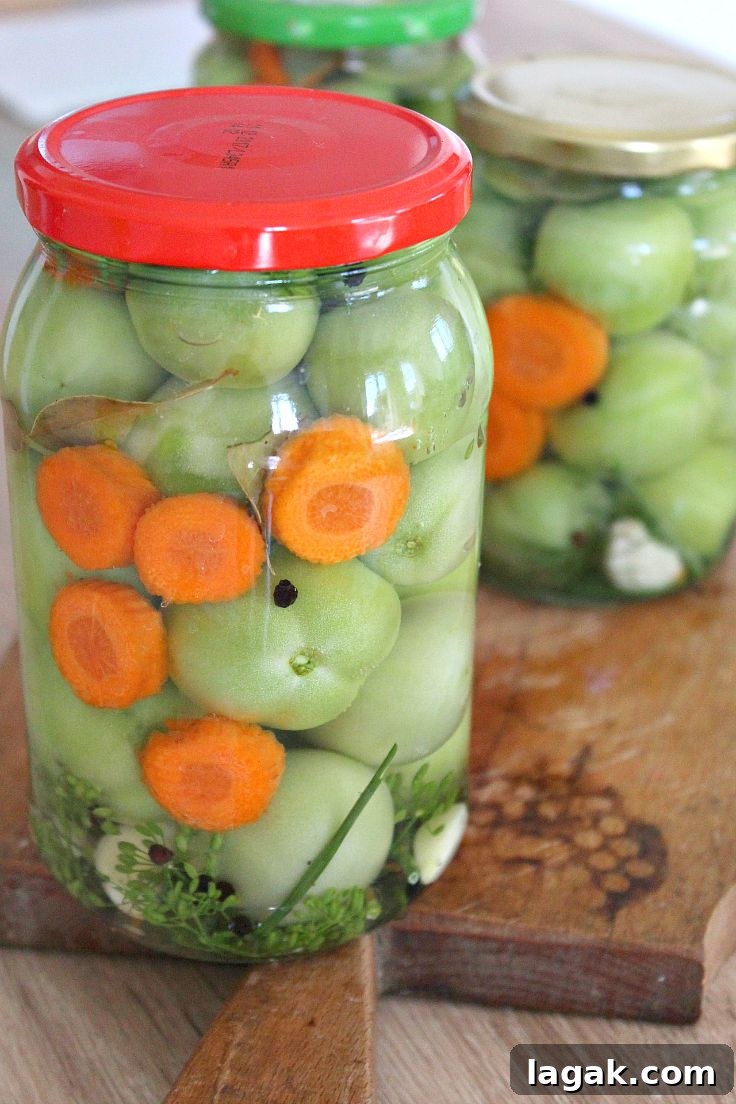
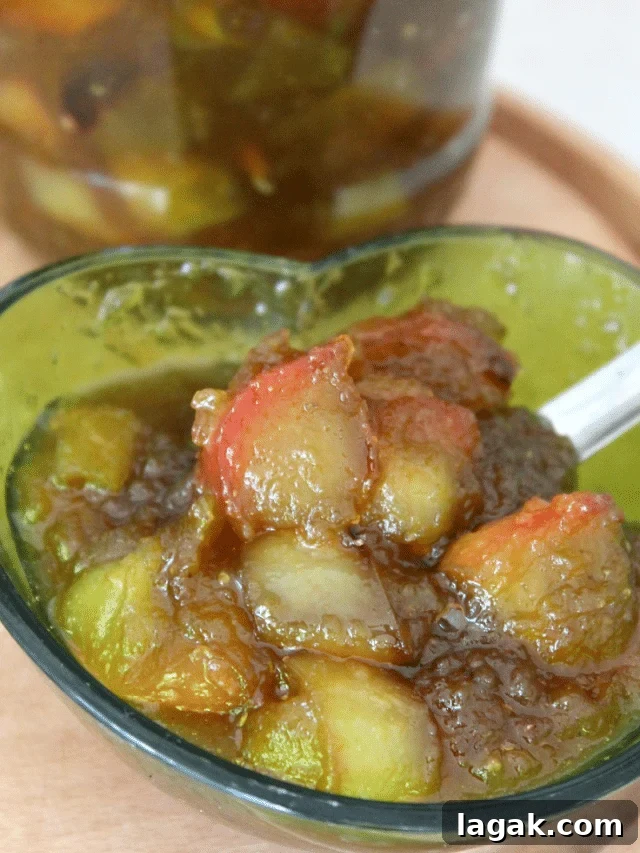
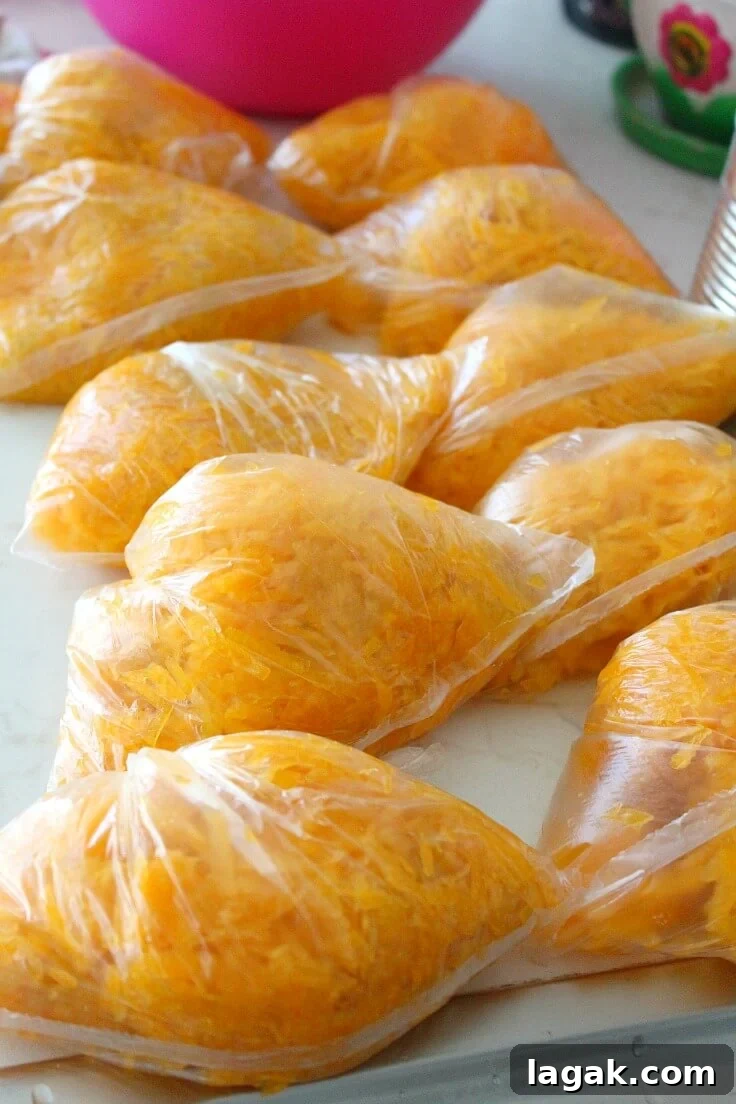
- How to make pickled green tomatoes
- Apple green tomatoes jam recipe
- How to prepare jars for canning
- How to preserve pumpkin flesh
That’s it — a straightforward, reliable method for pickling cucumbers with vinegar. Experiment with spices and vegetables to make the recipe your own. This vinegar-based process produces flavorful pickles without the heavier sodium load of some brine methods. Happy pickling!