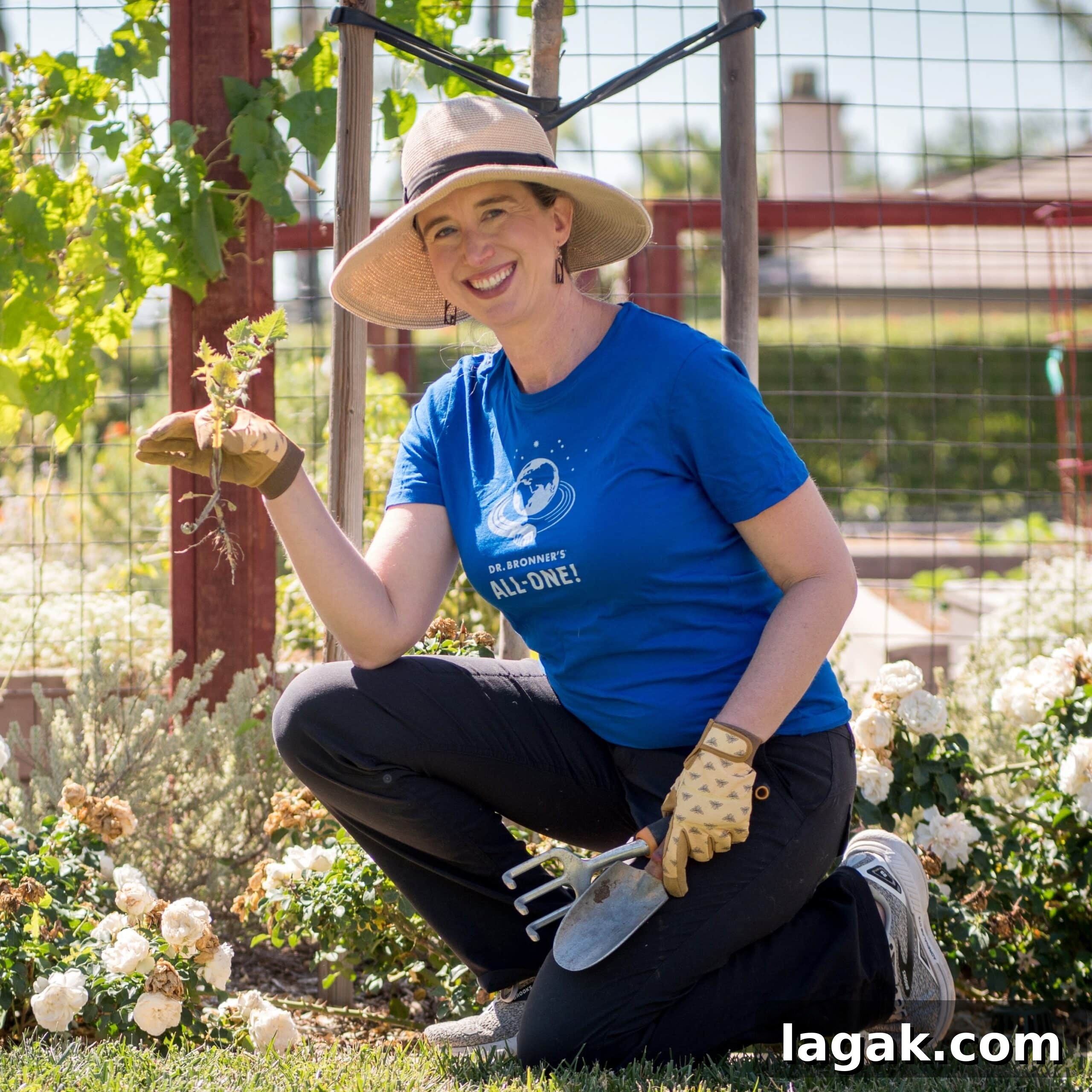
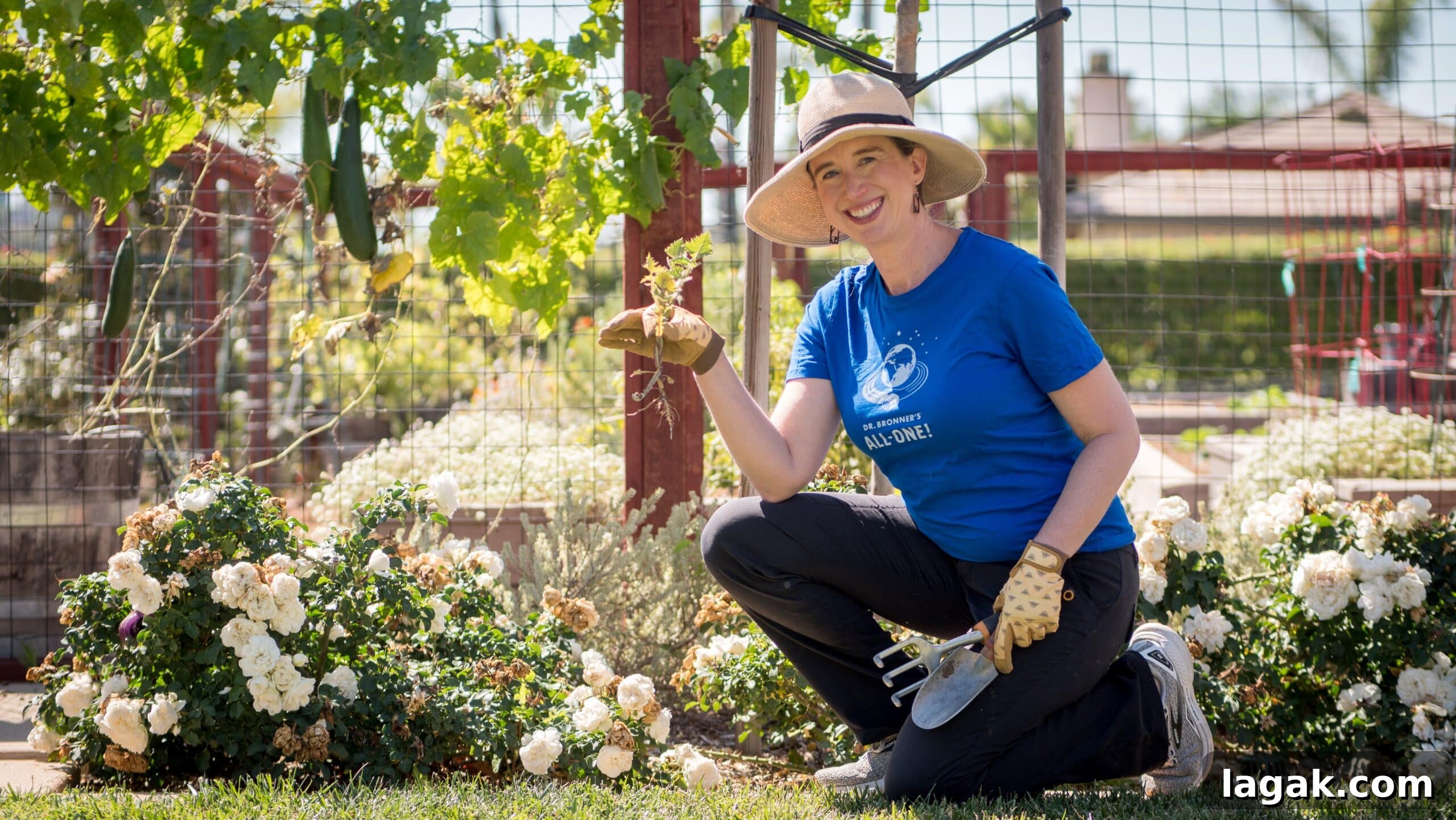
Even if your outdoor space is limited to a walkway, weeds are probably part of the picture. They’re resilient, resourceful, and adaptive—qualities we might admire in other contexts, but not when unwanted plants overtake paths, patios, and beds. For practical purposes in this article, a weed is simply a plant you don’t want.
I’ve lived on the same 2½ acres in rural San Diego County for more than 20 years. From the start, we decided to avoid conventional herbicides on our property. Even though avoiding chemical shortcuts takes more time and creativity, we preferred the trade-off: protecting our children, pets, soil, and air from the unintended effects of toxic sprays.
My approach to home and yard care favors long-term thinking over quick fixes. Advertising promises that a single spray or product will erase problems instantly. Sometimes that seems true in the short term, but the consequences can accumulate—persistent respiratory irritation, developing allergies, or skin sensitivities are all possible outcomes of repeated exposure to harsh chemicals. The good news is that you don’t have to choose between a clean, attractive space and good health. There are safe, effective strategies that require a bit more effort but avoid the risks of conventional herbicides.
Table of contents:
- Why ditch chemical weed killers?
- Non-toxic weed control methods that work
- Stopping weeds before they start: prevention strategies
- Physical removal: the most targeted control
- Other natural weed control methods
- Unexpected natural approaches
- Natural weed killer FAQs
Why ditch chemical weed killers? The case against glyphosate & 2,4-D
Herbicides like glyphosate and 2,4-D dominate many garden stores because they are convenient and fast-acting. They do what they promise: clear weeds quickly and save time. But convenience carries risks. Authorities disagree on the degree of hazard, and real-world exposure is rarely limited to the person spraying. Drift on the breeze, transfer to children or pets who run and roll on treated lawns, accidental spills, and misuse are real possibilities. Given those exposure pathways, many people prefer to avoid these products when alternatives exist.
Other common herbicides, such as dicamba, also pose problems—especially drift that can harm neighboring plants and ecosystems. Choosing alternatives comes down to weighing short-term speed against longer-term health and environmental considerations.
The best method for controlling weeds depends on what the weeds are, where they are, and how large they are.
Safe alternatives for home gardeners
Avoiding commercial herbicides doesn’t mean accepting a permanent weed problem. There are many effective, non-toxic methods. The right choice depends on the weed species, the site, and the size of the infestation. Below are practical options I’ve used and tested over years of gardening.
Non-toxic weed control methods that actually work
Why I use boiling water to kill weeds in my patio
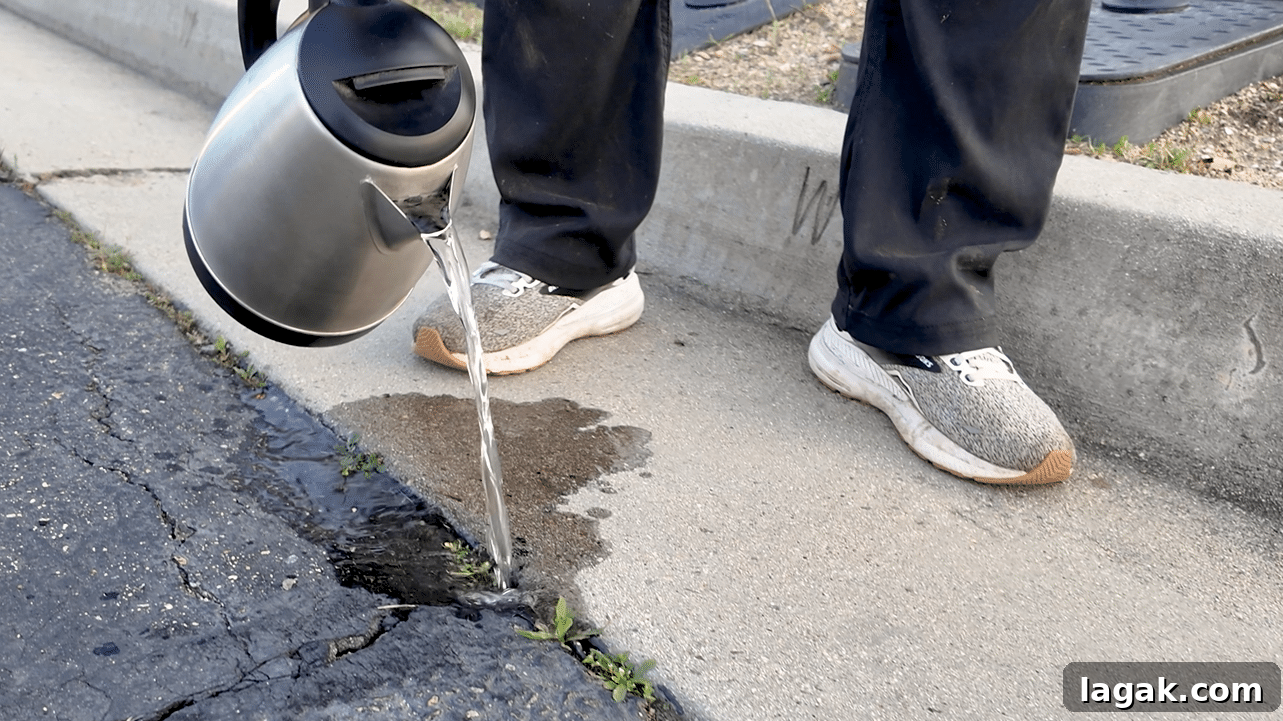
For weeds emerging through cracks in paved areas, boiling water is my go-to. It’s simple, free of chemicals, and effective on plants under about 8 inches tall. Boil water in a kettle or use surplus water from cooking, then carefully pour it over the weeds. The plants wilt within a day and usually dry out and die over the next couple of days. In my experience, this desiccates many weeds so they don’t immediately rebound.
Important caveats: boiling water will kill any plant it contacts and can harm beneficial soil creatures, so use it only on hardscaping, not in beds or lawns. It’s also impractical for large fields of tall weeds.
Why I don’t recommend many popular DIY recipes
I’ve tested many homemade remedies and found several common problems: they damage desirable plants and surfaces, they alter soil chemistry, or they require protective gear similar to commercial herbicides. Below are quick notes on common DIY approaches.
Vinegar
Household vinegar (4–5% acidity) may take multiple applications and is less effective on established weeds. Horticultural vinegar (much stronger) will kill plants but can also corrode stone and cement, harm soil life, and require protective gear. It’s best used only on hard surfaces you want to keep plant-free.
Baking soda
Applied to foliage, baking soda can dry some plants, but its salts can change soil chemistry and inhibit future plantings. Use cautiously and avoid applying where you plan to grow desirable plants.
Hydrogen peroxide
Hydrogen peroxide will kill plants and can bleach or etch stone surfaces. Like other aggressive treatments, it belongs only on areas without desirable plants and where surface damage is not a concern.
The vinegar, salt, and dish soap mix
This widely circulated recipe can leave salt residues that damage soil and make future planting difficult. It can also leave unsightly residues on hard surfaces and rarely proves reliably effective on established weeds.
Castile soap plus vinegar
Combining true soap with vinegar causes a chemical reaction that reduces the effectiveness of both, often leaving an oily residue. It’s not a dependable weed-control method.
Stopping weeds before they start: prevention strategies
Prevention is the most efficient form of weed control. Investing a little effort up front dramatically reduces the work later. Techniques that work well include dense planting, ground covers, targeted watering, and mulching.
Plant thickly
Planting desirable species close together deprives weeds of light and space. When desirable plants form a continuous canopy, weed seedlings struggle to establish.
Use ground cover
Ground covers crowd out weeds and protect soil from erosion and nutrient loss. Choose species suited to your climate and soil—legumes are especially helpful for building nitrogen. Consult local growers for the best options in your area.
Water wisely
Targeted irrigation like drip lines and soaker hoses delivers water to desired plants and reduces the moist bare soil where weeds thrive. Avoid wide-area sprinklers that encourage weed growth between plantings.
Mulching
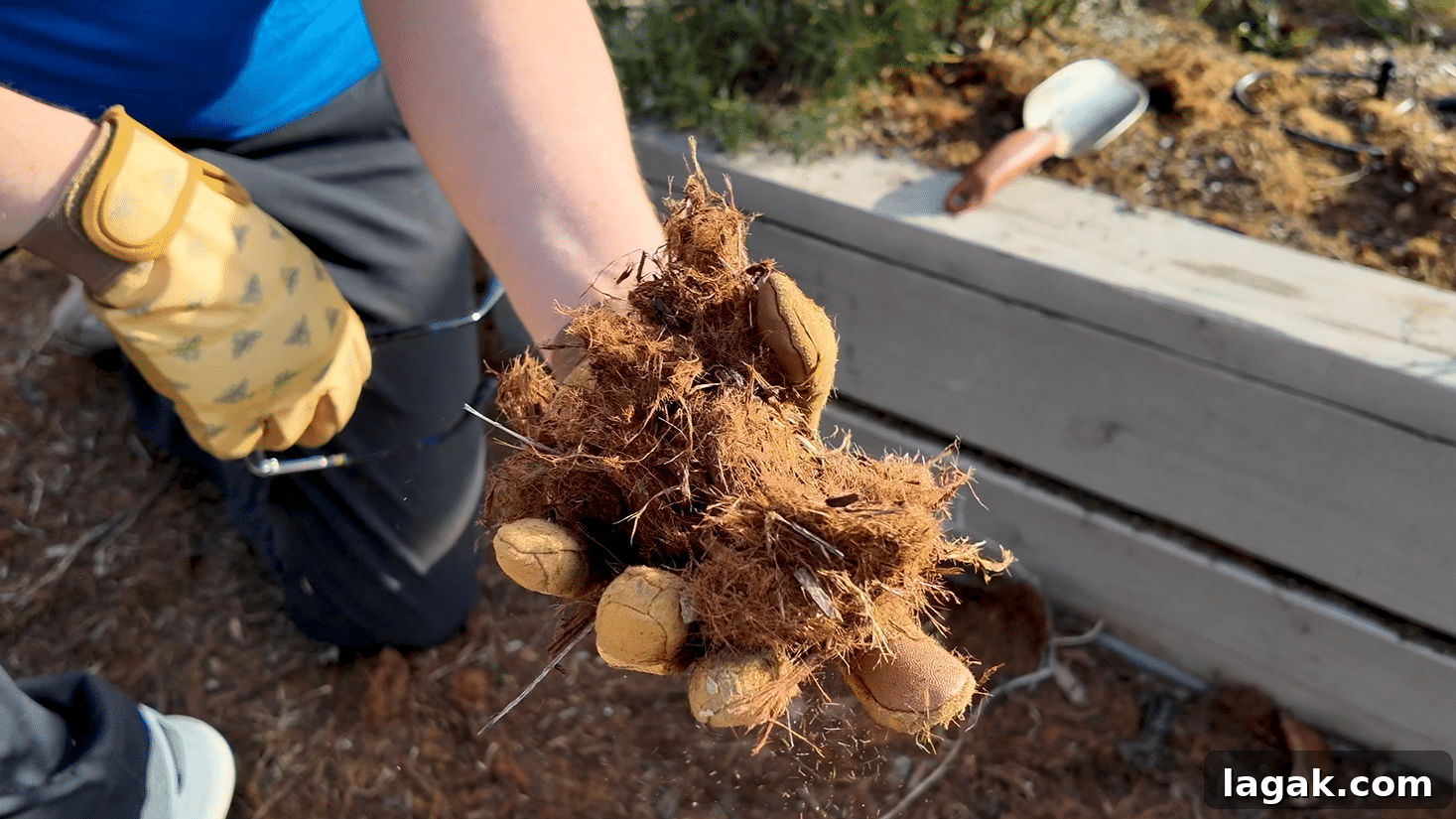
A generous layer of organic mulch suppresses weeds, conserves moisture, and adds fertility as it decomposes. Aim for 3–4 inches of organic material and replenish as it breaks down. I favor organic mulches that form a dense mat and improve soil over time.
Landscape fabric
When used under mulch or gravel, landscape fabric can slow weed growth by blocking direct shoots from the soil. It’s not a perfect barrier—weed seedlings can sprout in the mulch above it—but those weeds tend to have shallow roots and pull out easily. Used thoughtfully, fabric under several inches of organic mulch is a useful component of a weed-management plan.
The most targeted weed control of all: physical removal
Nothing beats hands-on removal for precision and safety. Hand pulling, hoes, and targeted tools remove plants without chemicals. These methods take time, but they’re effective and protect surrounding plants and soil life.
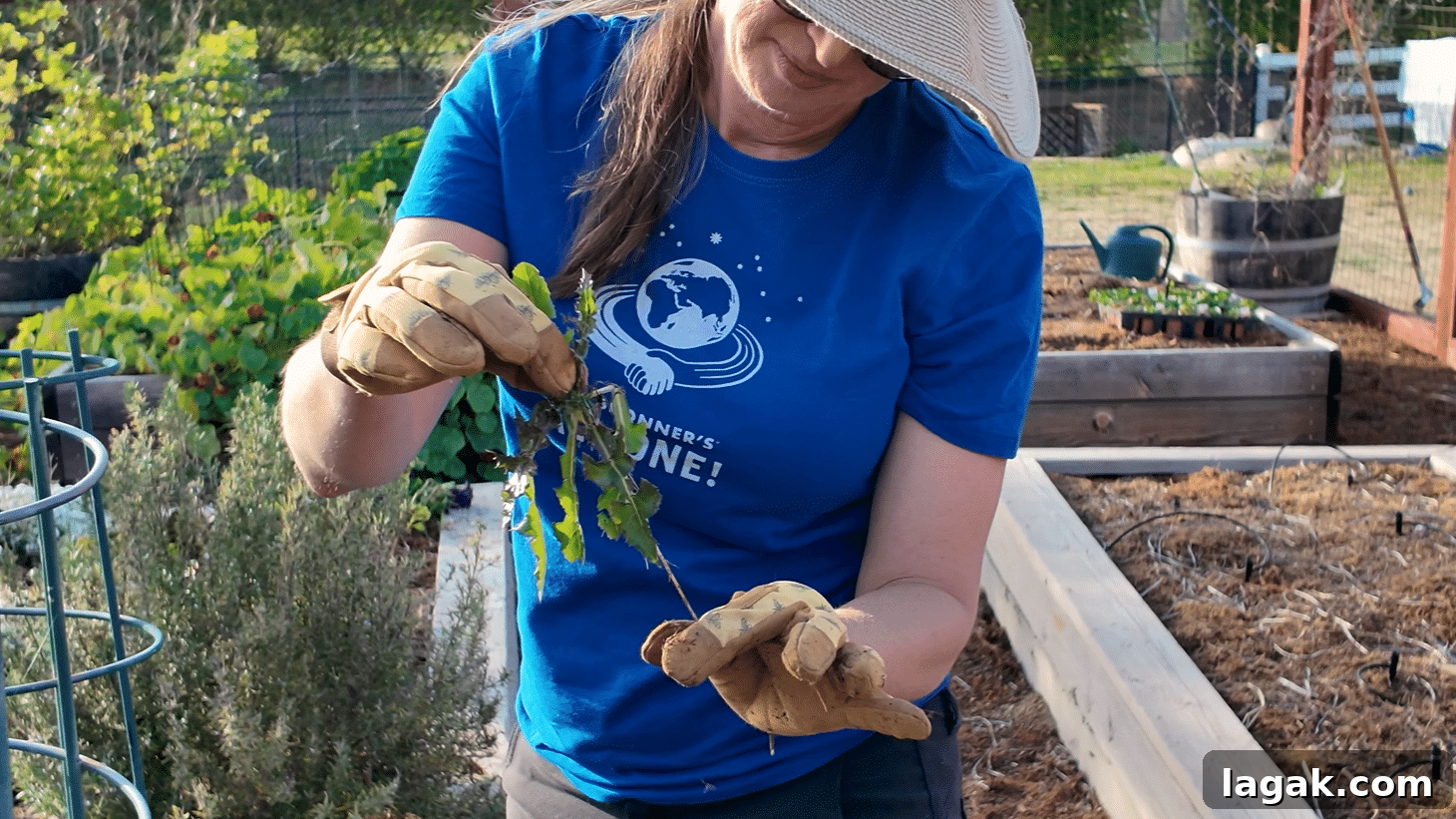
Hand pulling
Hand pulling checks every box for safe, low-cost weed control. The key is to remove the entire root so the plant won’t regrow. It’s easiest after rain when soil is loose. Use a trowel or cultivator to loosen the soil around the root, pull small weeds before they enlarge, and practice regular vigilance to keep work manageable.
Hoes: work faster
A sharp hoe is one of the most efficient tools for clearing weeds from compacted soil. The hula or stirrup hoe is ideal for shallow weeding and is excellent for larger areas where you want to chop off seedlings at the surface. Use good posture and a sharp blade for best results.
Rototilling — pros and cons
Rototilling quickly chops and buries weeds, but it can bring weed seeds to the surface and disrupt soil structure and microbiology. It can be useful for incorporating cover crops or preparing a new bed, but shallow tilling is preferable to preserve soil health.
Other natural weed control methods
Sheet mulching (lasagna gardening)
Sheet mulching layers organic materials to smother weeds and build soil. Typical steps: cut plants low, add soil amendments, cover with cardboard or thick newspaper, wet the layer, add alternating layers of moist nitrogen-rich compost and dry carbon-rich materials until 12–18 inches thick, then wet thoroughly. Allow several months for decomposition before planting; this both suppresses weeds and improves soil.
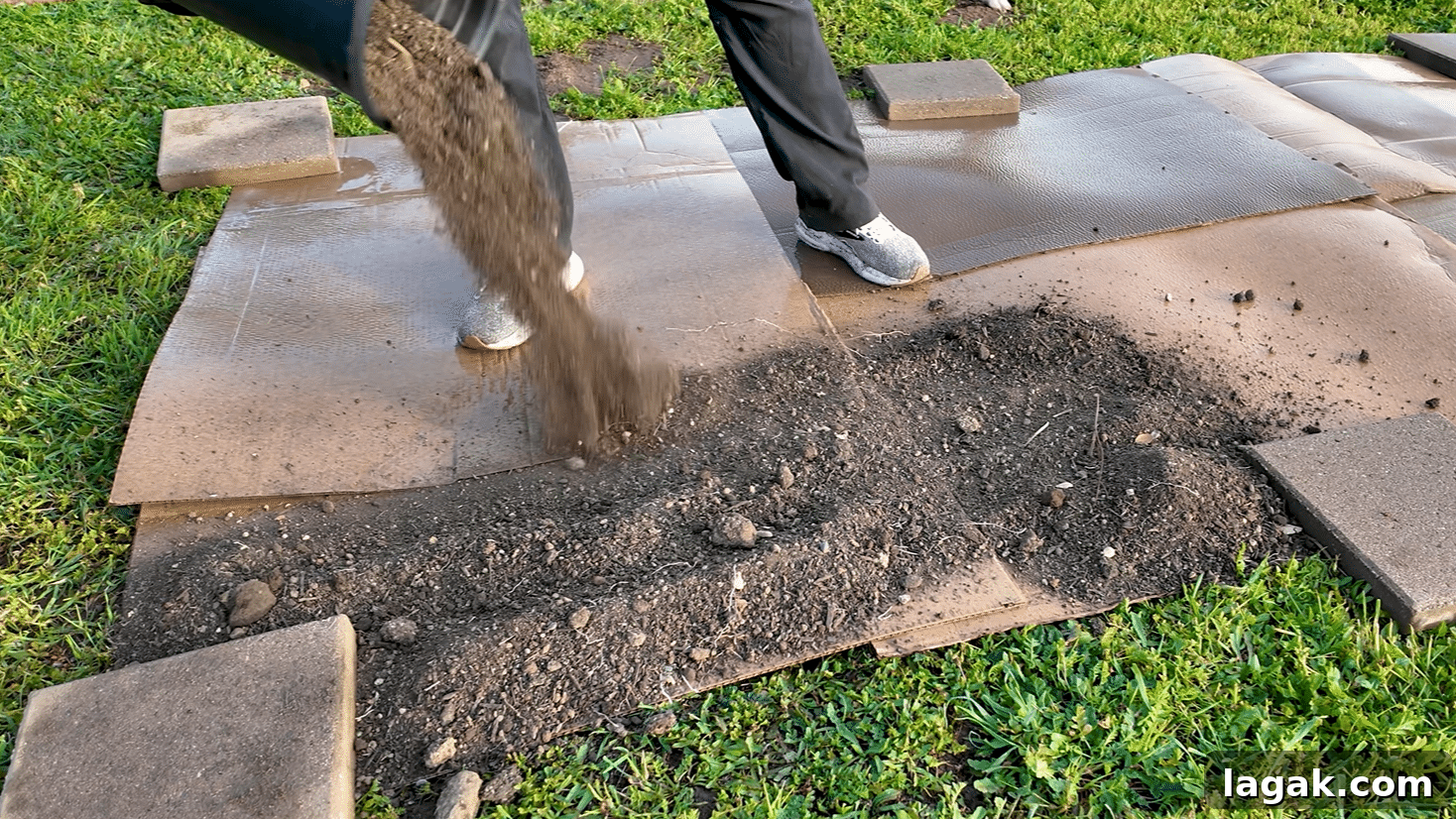
Tarping and solarizing
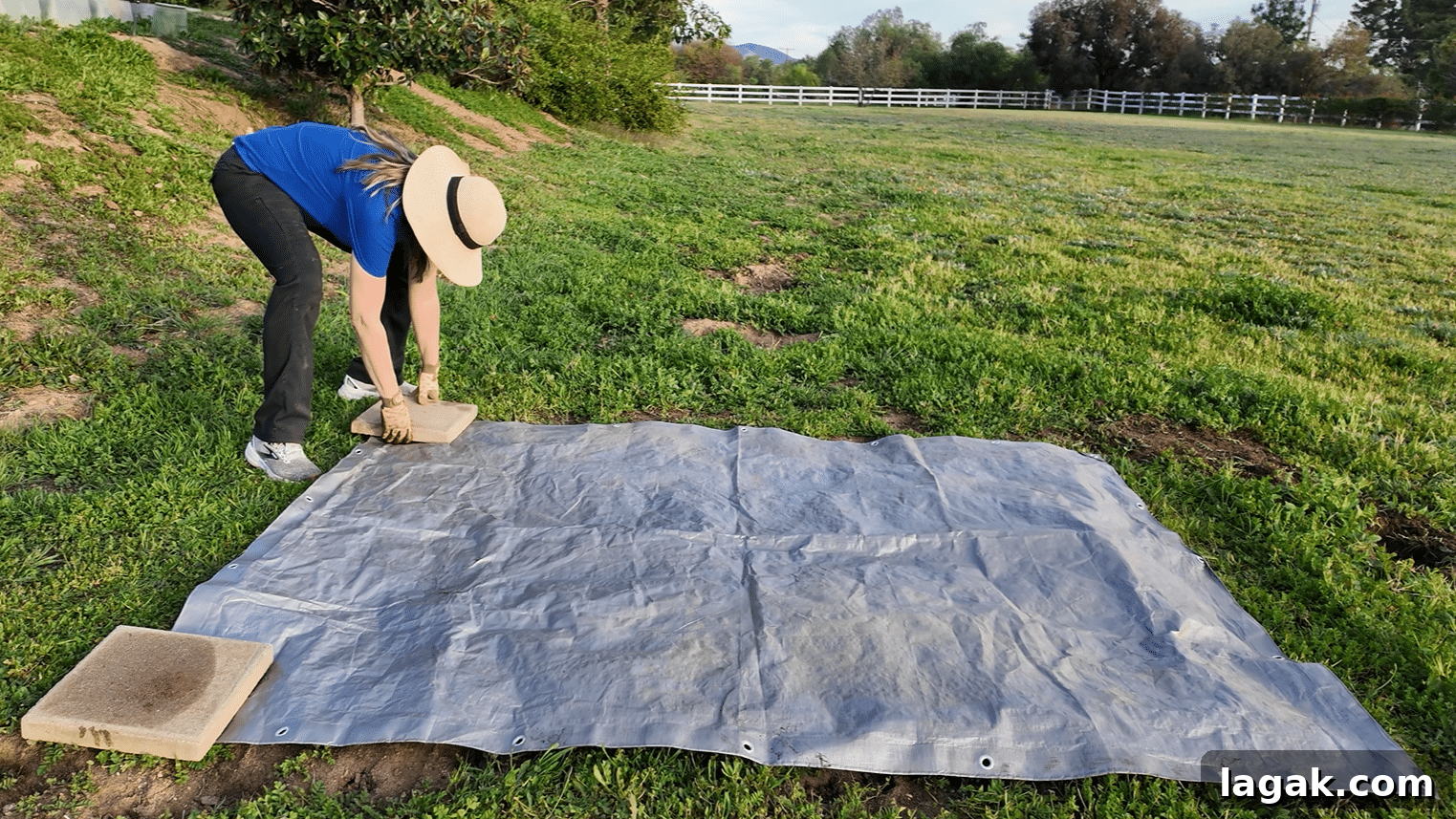
Covering an area with a tarp, cardboard, or thick newspapers and weighing down the edges will kill weeds in a couple of weeks by combining heat and darkness. This method is faster than sheet mulching but does not improve soil structure. Don’t leave tarps on longer than needed to avoid harming soil life or breaking down synthetic materials.
Flame weeding
Flame weeders kill weeds by brief exposure to high heat. They’re chemical-free and targeted but carry fire risk and should only be used where safe and legal. Learn proper techniques before trying this method.
Mowing for weed control
Mowing unmanaged fields or large grassy areas regularly prevents seed set, reduces fire fuel, and retains nutrients when clippings are left in place. Monthly mowing can keep a field tidy and reduce troublesome seed-bearing plants without intensive inputs.
Unexpected natural weed control methods
Using chickens and goats
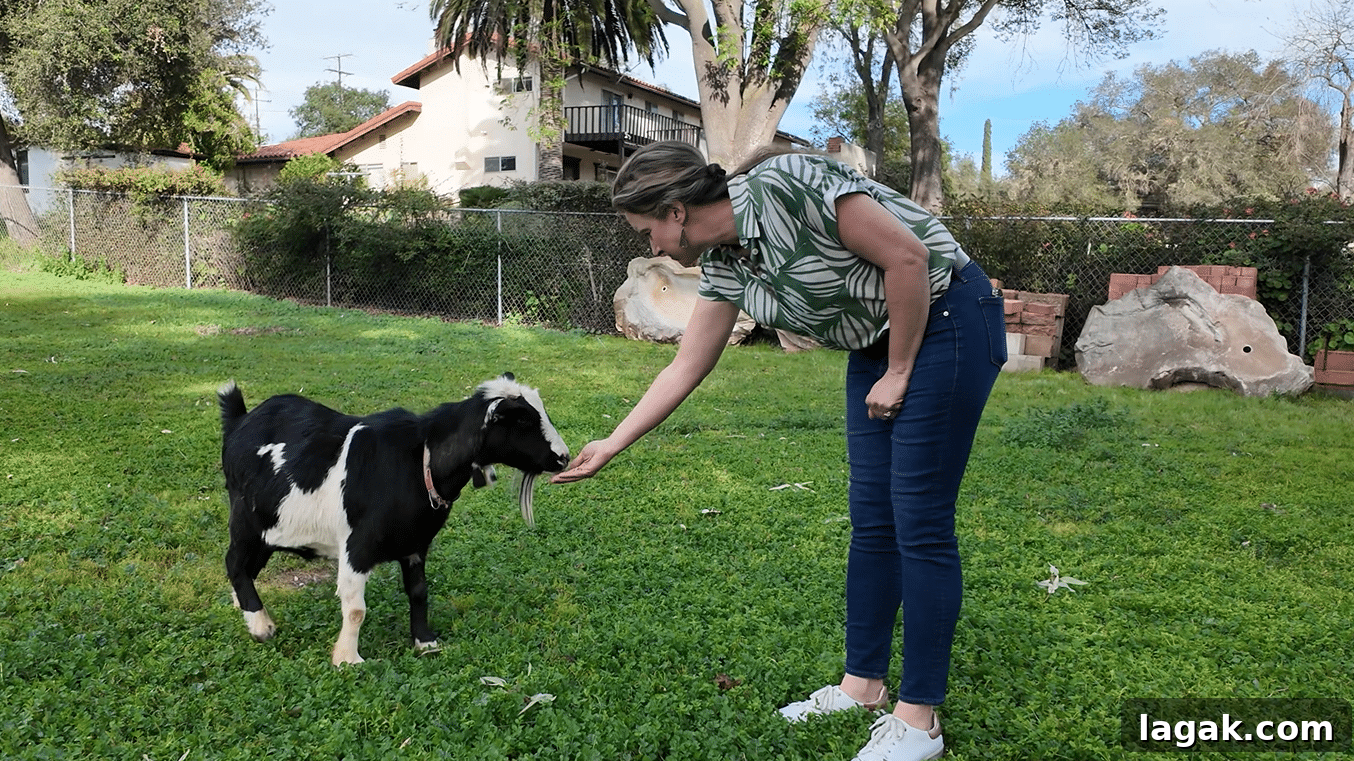
Livestock like goats and birds like chickens will eagerly eat many weeds. Renting a herd of goats for targeted weed removal is increasingly common. They are indiscriminate eaters, and their droppings add fertility, so this can be an effective option in appropriate settings.
Edible weeds
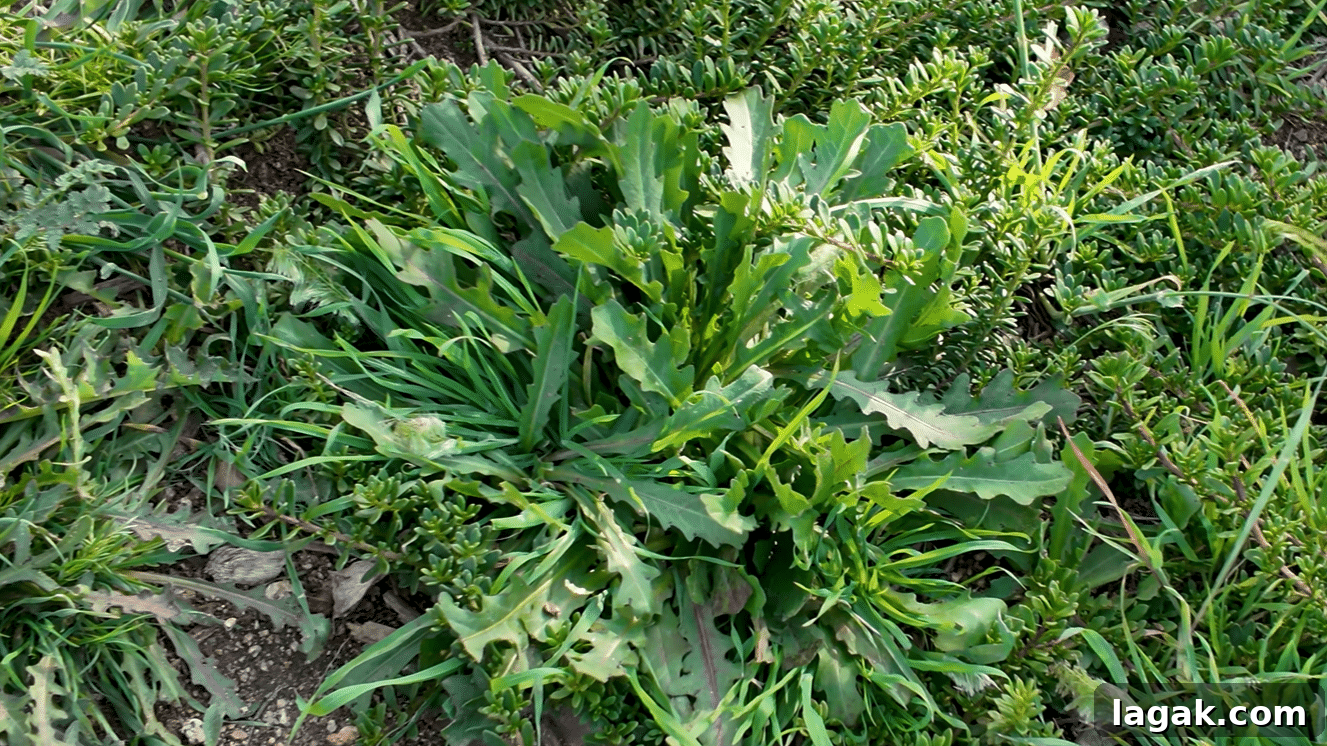
Many plants labeled as weeds are edible and nutritious—dandelion greens, purslane, and sorrel are common examples. If you’re confident wild greens haven’t been sprayed, they can become part of your salad or cooked greens. Learning to identify edible weeds can turn a nuisance into a resource.
Beneficial weeds
Some so-called weeds offer benefits: clover fixes nitrogen, retains moisture, and attracts pollinators. Recognizing which plants provide ecosystem services can help you tolerate or even encourage certain species in parts of your landscape.
Natural weed killer FAQs
Is homemade weed killer safe for pets?
Safety depends on the method. Boiling water is harmless once cooled but keep pets away during application. Many homemade mixes (salt, soap, baking soda) can cause distress if ingested and may harm soil and plants, so use them cautiously.
How do you stop weeds from growing?
The best prevention methods are dense plantings, ground covers, thick mulch, landscape fabric beneath mulch, and targeted irrigation. These strategies reduce the available space and resources that weeds need to thrive.
What is sheet mulching?
Sheet mulching layers organic materials and cardboard or newspaper to smother weeds and build soil. It requires patience—several months—but yields weed suppression and improved soil structure.
Can I use homemade weed killer in a vegetable garden?
It’s generally better to use mulch, hand-pulling, and hoeing in vegetable beds. Many homemade chemical approaches can harm crops and soil life.
Does boiling water kill weeds permanently?
Boiling water can kill small, tender weeds completely, but large plants with deep roots often require additional removal of the root system or different methods.
How do you stop weeds from growing through mulch?
Apply mulch generously—3 to 4 inches—to effectively block weed emergence. Thin layers allow light and seedlings to “laugh at” the mulch and push through.
Putting it all together
Weeds can be controlled without toxic herbicides, but success requires a toolkit of approaches: prevention with dense plantings and mulch, targeted watering, mechanical removal with tools and hands, and thoughtful use of barrier methods like landscape fabric or sheet mulching. There’s no single magic spray that solves everything, but combining these methods reduces effort over time and yields a healthier outdoor space for you, your family, and the environment.
Further reading:
- Castile soap garden spray (overview and uses)
- How to green clean outdoor spaces
- Gardening regeneratively at home
- Grow Something: getting started with plants