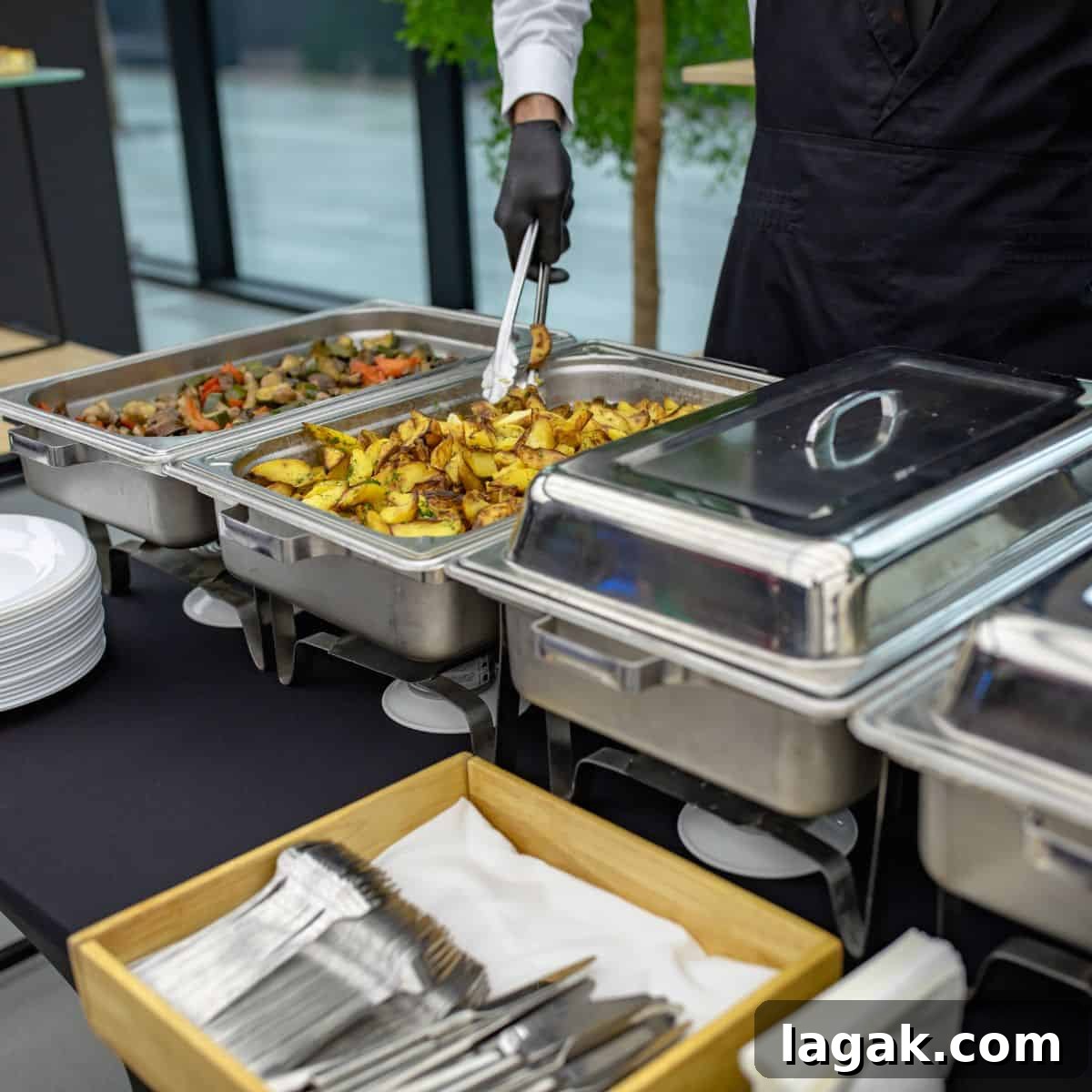
If you’re hosting a casual party, Thanksgiving or a holiday gathering with a crowd, the hardest part is keeping food warm. Below are practical, tested ways to keep dishes hot after cooking—some use electricity, some don’t. Plan ahead and use what you already have. If you often entertain, investing in reliable warmers can reduce stress and help you enjoy the event.
Does your buffet table need help? Check out tips for setting up a beautiful and practical buffet table for any event.
This post contains affiliate links. See disclosure for details.
FAQ’s
What is the cheapest way to keep food warm for a party?
- Use your oven:
- Set to a low/warm temperature (about 170–200°F / 77–93°C).
- Place food in oven-safe containers and cover with aluminum foil.
- Crock-Pots/slow cookers:
- Transfer to a slow cooker and use the “warm” setting.
- Chafing dishes:
- Rent or buy chafing dishes with water pans and sternos for buffet serving.
- Electric warming trays:
- Place dishes on warming trays and adjust the temperature as needed.
- Insulated containers:
- Use insulated bags, coolers or thermal containers; wrap with towels or hot packs to boost insulation.
- Foil and towels:
- Wrap containers in foil and blankets or towels to trap heat during transport.
- Buffet arrangement:
- Group hot dishes together so they keep one another warm; use insulated servers.
- Boiling water method:
- Place hot dishes in a larger container and add boiling water around them to maintain temperature.
- Stovetop simmering:
- Keep dishes warm over very low heat with a diffuser to avoid burning.
- Frequent reheating:
- Reheat small portions as needed in the microwave or on the stove to ensure dishes are served warm.
10 Ways To Keep Appetizers Warm
Serving foods that should be hot but arrive lukewarm is a host’s worst fear. Keeping dishes warm for hours is challenging, especially when guests arrive at different times or when food must be transported. Food safety and texture are key: avoid the temperature “danger zone” (40–140°F) and prevent drying out.
Below are techniques used by caterers and home hosts to reheat and maintain food temperature, with and without electricity. Choose the approaches that match your event, space and budget.
1. Chafing Dishes
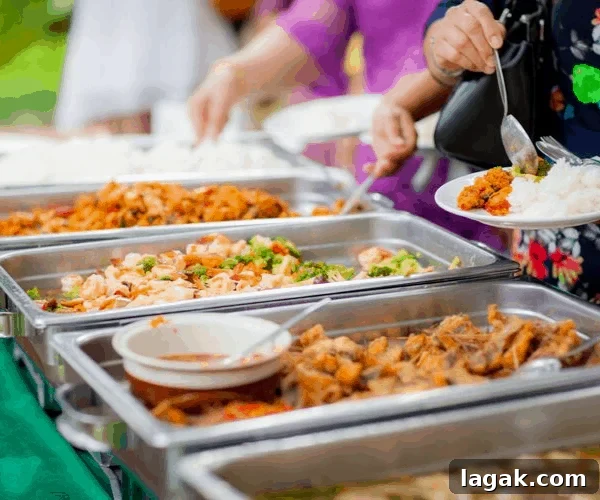
Chafing dishes are the classic catering solution. A water pan sits under the food pans and sternos or fuel cans heat the water, creating a gentle, even heat. They work well for buffet-style service. Inexpensive disposable aluminum chafers are fine for occasional events; higher-quality stainless steel options are a long-term investment for frequent hosts.
2. Electric Food Warmers
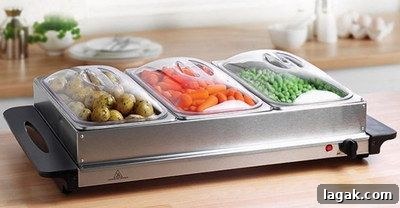
Electric warmers are simple to set up and don’t require open flames. They do need access to power, so consider cord length and outlet locations before placing units. Warming trays or buffet servers are ideal for sides and appetizers. A triple slow-cooker or multi-well electric server works well for toppings, dips and small sides.
Important: Check cord length and plan extension cords if needed.
3. Thermal Cookers
Thermal cookers (large insulated pots or vacuum pots) keep food hot for hours without electricity. Preheat the inner pot with boiling water, empty it, add very hot food, seal and place inside the outer insulated pot. They work great for soups, stews and sauces and are handy for transport because they pour easily and retain heat for several hours.
4. Coolers
Coolers are excellent insulators for both hot and cold items. Professionals use insulated boxes (Cambros) to maintain food temperature. To make a hot-box cooler: heat water and pour into the empty cooler to warm the interior, let it sit, then pour it out. Line the cooler with foil and towels, wrap hot dishes in foil and towels, and pack snugly so heat is retained. Keep the lid closed until serving.
How to use a cooler to keep food warm for hours
- Pre-warm the cooler with hot water to raise its internal temperature.
- Line with heavy-duty foil and towels for extra insulation.
- Wrap food in foil and towels, and pack bottles or heated bricks around dishes for added heat.
- Keep the lid closed until serving time to maintain heat.
*Keeping the lid closed until ready to serve will preserve heat longest.
5. Use Thermal Insulated Bags
Smaller insulated bags are convenient for transporting casseroles and sides. Wrap dishes in foil, stack in oven-safe containers and place inside the bag to keep everything hot during travel. They’re easier to carry than large coolers and do a good job insulating food for several hours.
6. Heat Lamps
Heat lamps are common in restaurants because they keep food warm while maintaining crisp texture. They’re particularly useful for fried or crispy appetizers, helping to preserve appearance and mouthfeel until serving.
7. Slow Cooker / Crock Pot
Most households have slow cookers. Use the “warm” setting to keep food above 140°F. Add already-warmed food to prevent the appliance from spending extra energy bringing dishes up to temperature. Triple mini-crock units are excellent for multiple dips, sides or toppings at a small station.
8. Use a Thermal Cooker (Vacuum Pot)
- Prepare and fully heat the food to serving temperature.
- Preheat the inner pot with boiling water, then empty it.
- Transfer hot food into the inner pot and seal the lid tightly.
- Insert the inner pot into the insulated outer pot and leave it undisturbed; do not open until ready to serve.
- Thermal cookers can keep food hot for 4–8 hours depending on model and initial temperature.
9. Aluminum Tins
Disposable aluminum tins are inexpensive and effective when used properly. Fill them with hot food, seal tightly with foil, then wrap in towels or blankets. These are convenient for transport and for temporary buffet service when combined with insulated containers or warmers.
10. Your Home Appliances
The Oven
The oven is one of the most popular ways to keep food warm. Use the “warm” setting or set to about 200°F (93°C). Wrap dishes in aluminum foil to reduce drying. Avoid high temperatures and extended time, which will dry food out.
The Toaster Oven
Toaster ovens heat up quickly and are ideal for keeping bread, small appetizers and dips warm. Use the lowest bake setting to avoid overcooking.
Plan When Food Will Be Served
Time and temperature management are crucial. Food must stay above 140°F until serving to remain safe. If food drops into the danger zone (40–140°F), bacteria can grow quickly—two hours is a typical safety cutoff. For sit-down dinners, serve directly from the oven when possible. For buffets, keep dishes heated and monitor temperatures so food stays safe and appetizing throughout the event.
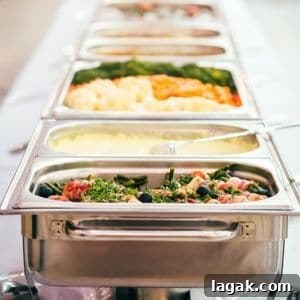
TIP Start with hot water under chafing dishes and use larger sternos to get warmers up to temperature faster. Always have backup sternos ready.
Invest in a quick-read thermometer. If keeping food warm for more than 2–3 hours, a digital thermometer helps you monitor safe temperatures and take corrective action if something drops too low.
Looking for more party appetizer ideas? Consider a mix of hot and cold dishes to reduce warming demands.
Foods That Reheat Well
Some dishes tolerate extended warming better than others. Examples that reheat and hold up well include meatball-based appetizers, baked pasta or casseroles in covered dishes, sauced shrimp, and many bacon-wrapped or robust savory finger foods. Using covered oven-safe casserole dishes helps maintain moisture and makes stacking or transport easier.
Final Tips For Keeping Food Warm
Choose the warming methods that fit your event and budget, and mix hot and cold items to reduce strain. Many purchases—chafers, electric servers, thermal cookers—are long-term investments that save time and reduce stress. Above all, prioritize food safety: keep hot food above 140°F, monitor temps, and plan serving times so dishes reach the table at their best.
If you have other ways to keep food warm at parties, please share them in the comments!
- How To Host The Ultimate World Cup Final Party + Free Cookbook Giveaway
- Brazilian Hot Dogs
- Quick Restaurant-Quality Italian Marinara Sauce
- Air Fryer Zucchini Fries (Crispy Every Time!)