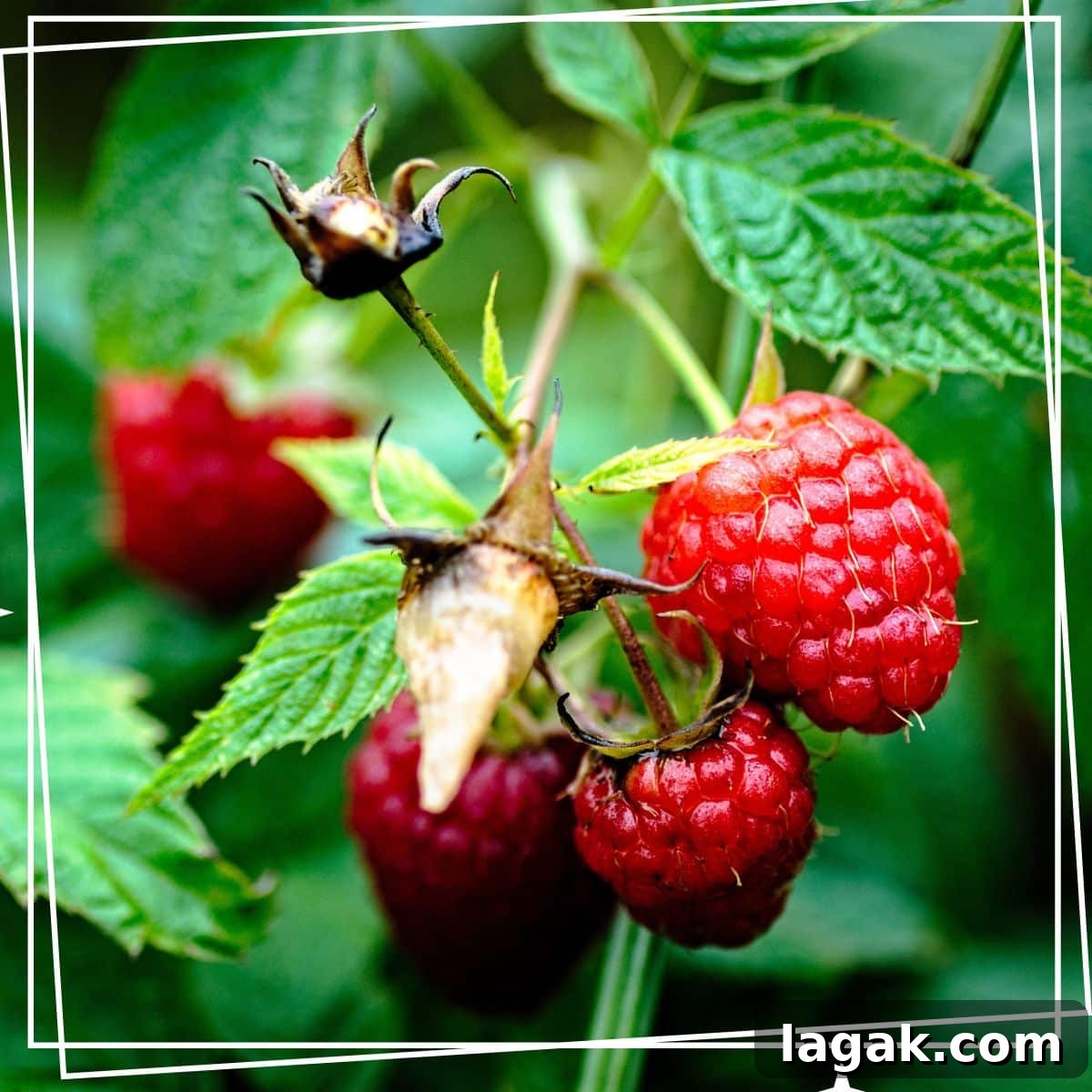
There are a few simple secrets to growing raspberries the best and easiest way that you may not know. Can you ever have too many raspberries? Not here — we love raspberry freezer jam, warm raspberry cobbler, and bags of frozen raspberries for smoothies and oatmeal all year long. Eating raspberries in winter is like a mouthful of summer on a cold day.
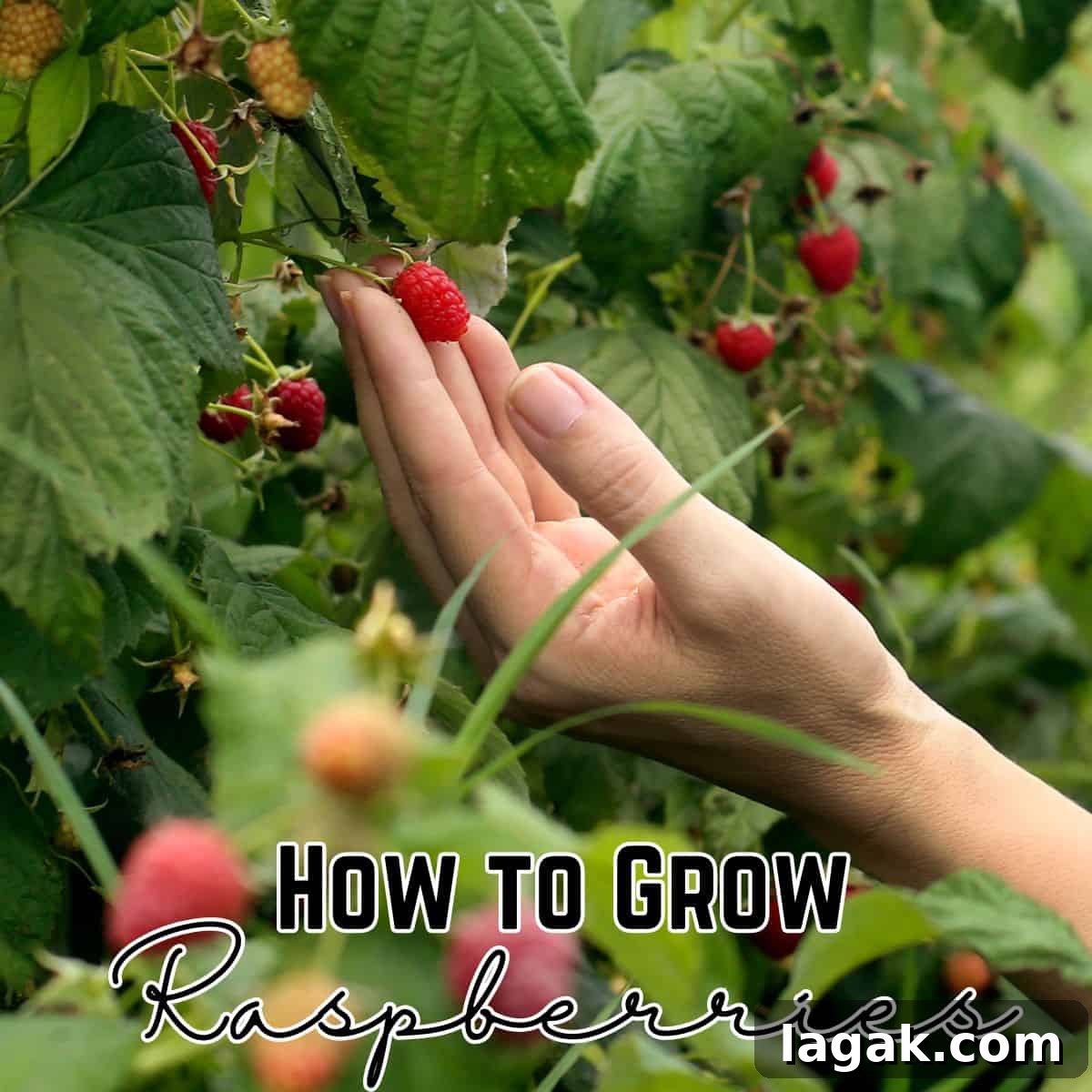
Raspberries are incredibly rewarding to grow and, with a few straightforward practices, you can produce gallons of fruit nearly for free. Focus on quality starts, weed control, proper watering, timely feeding, and good support and your raspberry patch will thrive year after year.
Raspberries Growing Secrets
Raspberries are a delicious treat that will make your taste buds dance. Learn how to grow raspberries by the gallon the easy way and almost for free with practical, proven tips.
Grow Raspberries For Free With Starts
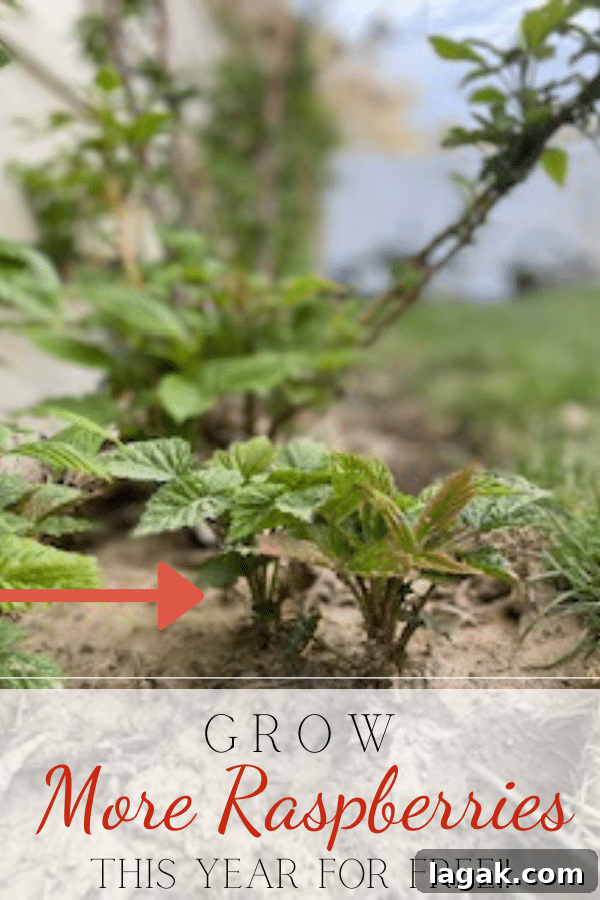
If you want more raspberries, use the starts the plants produce. Raspberries spread through their roots and send up new shoots—called starts—throughout the season. Rather than treating these as weeds, transplant them into rows to expand your patch at no cost.
Avoid spraying herbicides in and around your raspberry patch; chemical weed control will also kill your starts. Hand-pull weeds and lift healthy raspberry starts to transplant. Finding a neighbor with an established patch and taking a few starts in spring is a great way to begin a new planting without buying pricey nursery stock.
Save Money!
Fertilize Raspberries for a Bigger Harvest
Feed raspberry canes in early spring with a balanced fertilizer or rich organic amendments. Homemade compost, well-composted cow manure, or fully composted chicken manure are excellent, low-cost options.
Incorporate compost or manure into the planting area and mix it with soil to avoid hot spots that can burn roots. A guideline for cow manure is roughly 75 pounds per 100 feet of row, but adjust based on soil tests and local recommendations.
If you are establishing a new patch, work organic matter deep into the soil before planting starts to ensure healthy root development and higher yields.
Mulch & Weed To Grow Raspberries
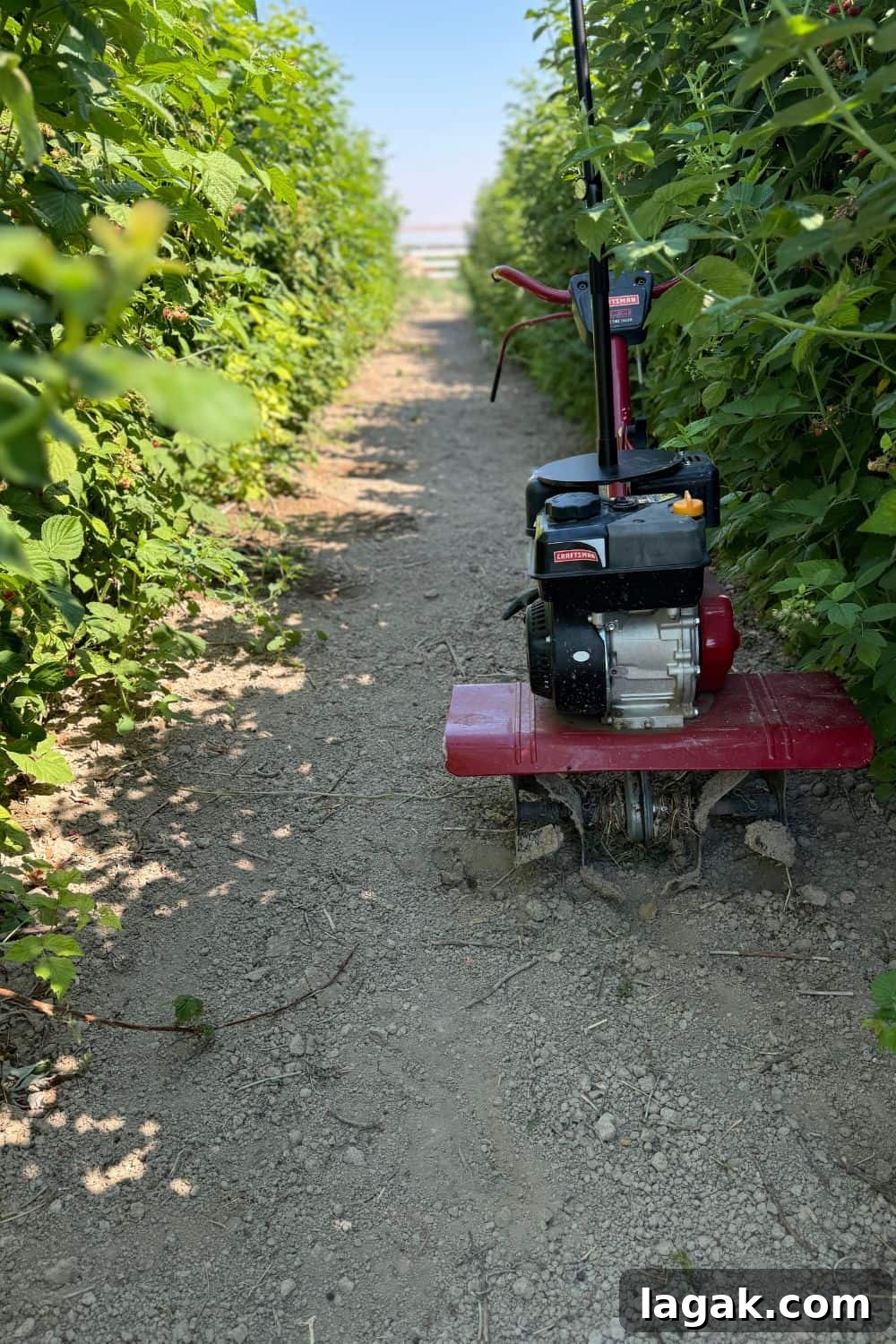
Weed control matters more than many gardeners expect. Weeds compete with raspberries for water and nutrients and can significantly reduce yields. Remove weeds regularly to keep plants vigorous.
Some weeds are particularly aggressive and can overtake a patch if left unchecked. Keep an eye out for root-spreading weeds like morning glory, which can smother canes and steal light.
Mulching between raspberry canes helps suppress weeds and retain soil moisture
Mulch with straw, wood chips, or other organic material between rows to keep weeds down and conserve moisture. Be careful not to bury new raspberry starts; keep mulch managed so shoots can emerge and be transplanted if desired.
Recognize raspberry starts so you don’t remove them by mistake. These young canes will produce fruit in the following year—transplant them into your rows rather than pulling them out.
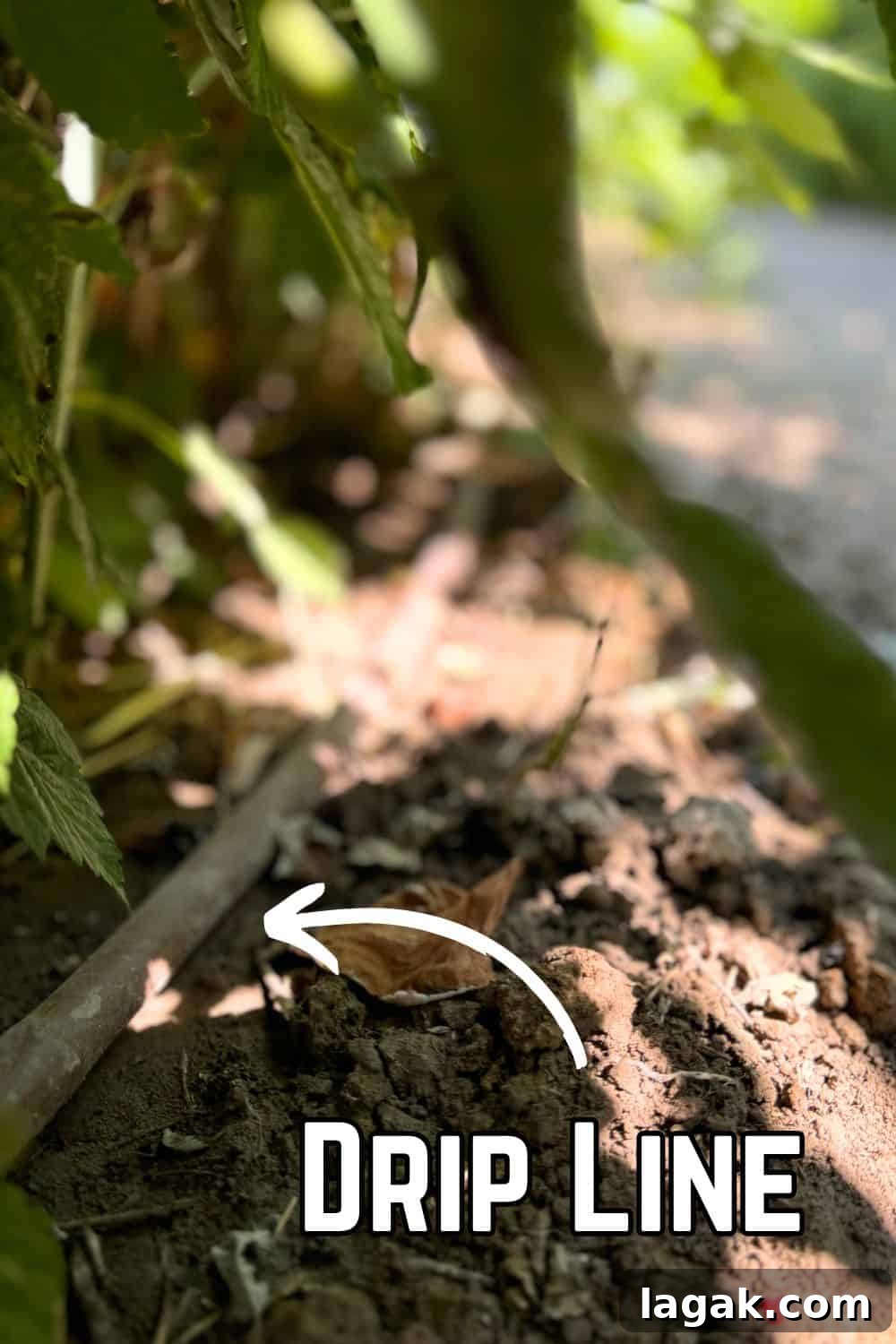
Watering For More Raspberries!
Water correctly to increase berry size and prevent disease. Avoid overhead sprinklers that wet foliage and can encourage fungal problems. Instead, water at soil level using a drip system or soaker hose to keep roots moist without wetting the canes.
Before fruiting begins, maintain consistent moisture so canes grow well and continue producing starts. Once flowers form and fruit develops, increase water to support juicy berries.
Avoid waterlogging; standing water can cause root and crown diseases. Aim for evenly moist soil, adjusting irrigation according to local climate and weather conditions to keep plants healthy and productive.
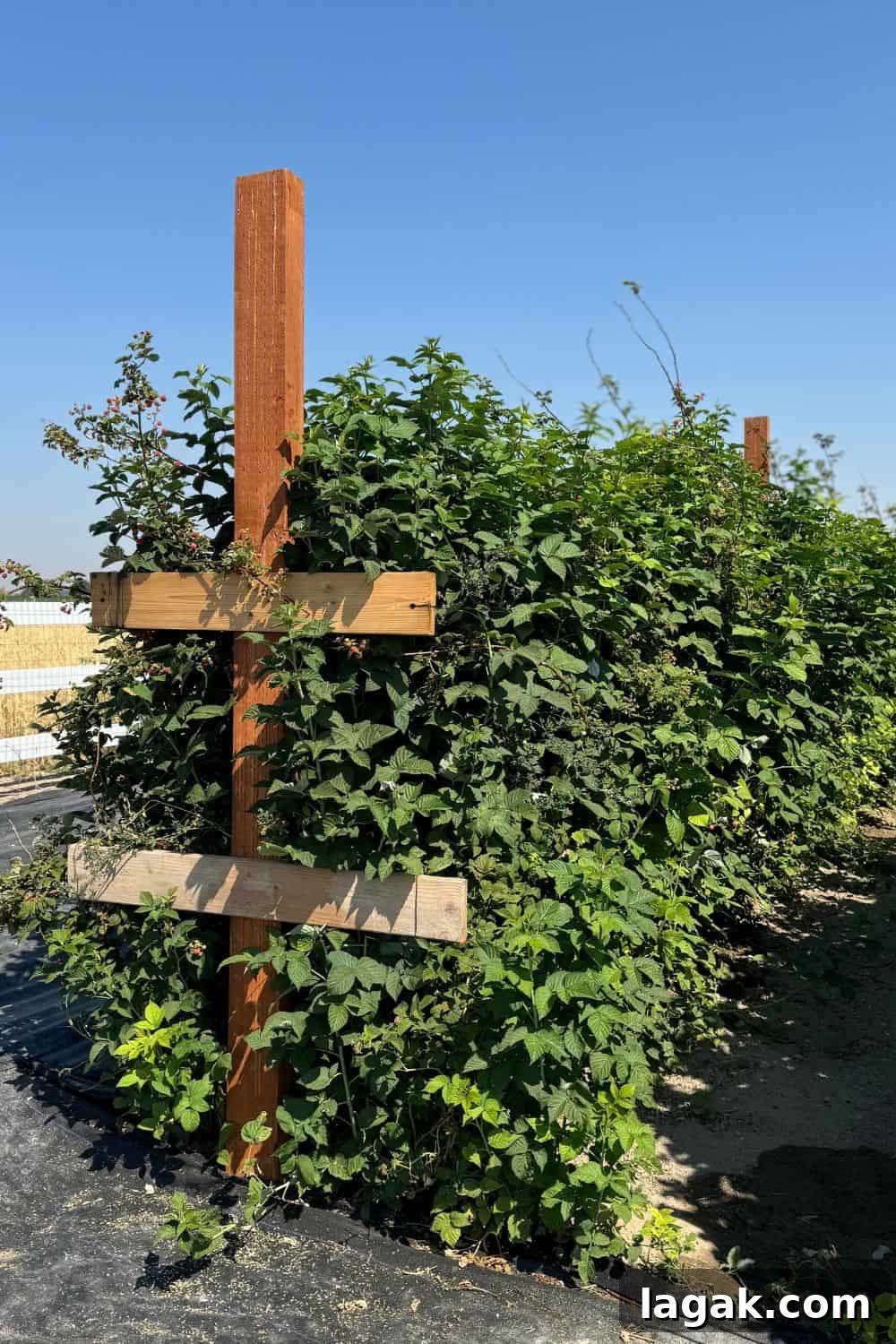
Build Raspberry Support for Better Pollination & Berries
If you grow summer-bearing raspberries, provide trellising or support for the canes. Fall-bearing varieties that are cut to the ground after harvest don’t require the same structure, but summer-fruiting canes can reach 8–10 feet and will droop under the weight of fruit if left unsupported.
Cross-post supports or simple trellis systems keep canes upright, improve air circulation and light penetration, and make it easier for pollinators to access flowers. Better pollination and healthier plants result in larger, tastier harvests.
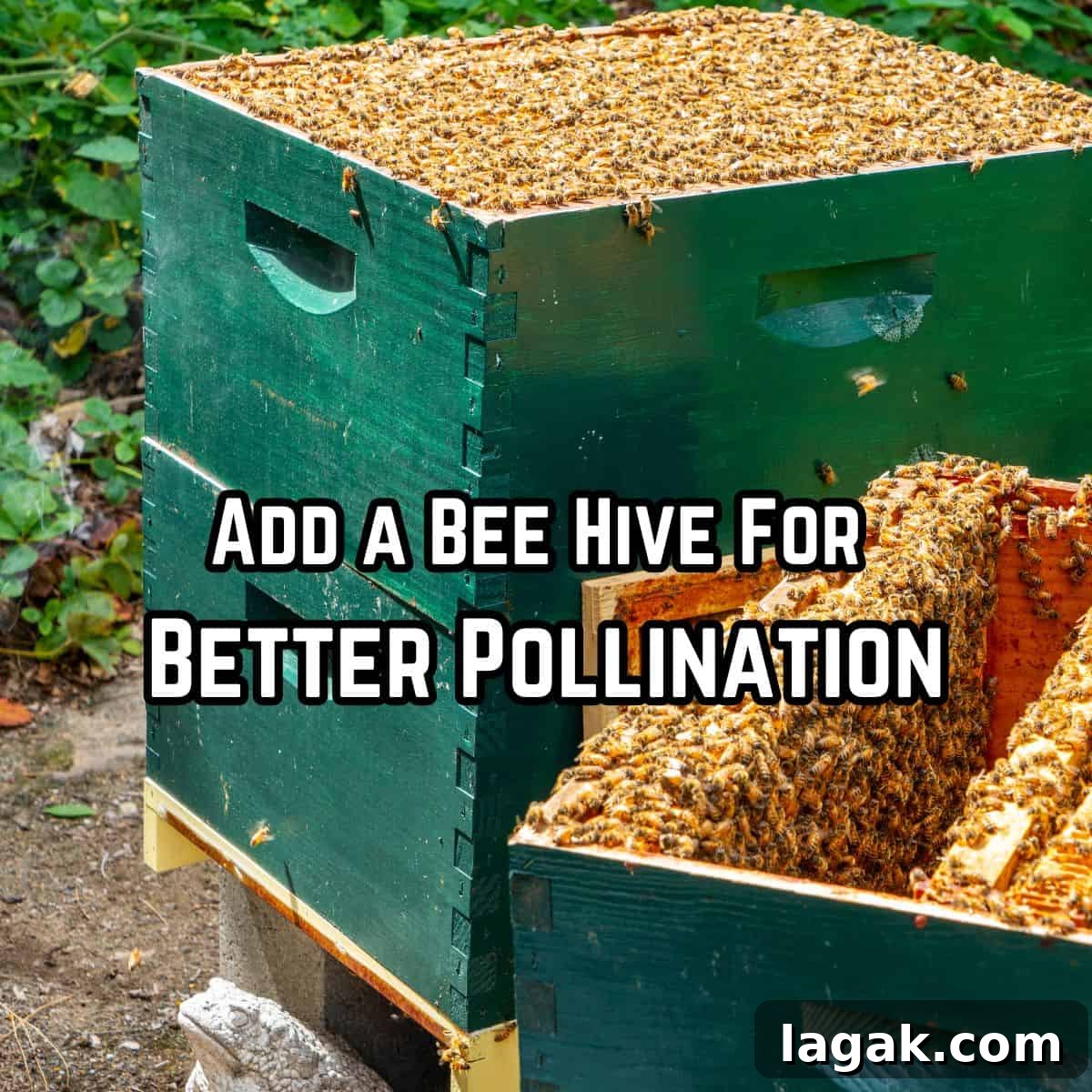
Get More Raspberries From Your Patch
Boost yields by encouraging pollinators. Each raspberry begins as a flower that must be pollinated to set fruit. Placing a beehive nearby or creating pollinator-friendly habitat with flowering plants will increase bee activity and improve fruit set.
Do You Cut Raspberry Plants Down Each Year?
Pruning depends on the type of raspberry. Summer-bearing varieties require spring pruning to remove old canes and tip-prune new growth. Fall-bearing varieties can be mowed or cut to the ground after harvest for a single fall crop, or managed like summer-bearing types to obtain two smaller crops. Regular pruning improves air flow, reduces disease risk, and helps maximize fruit production.
Harvest Right to get more Raspberries!
Harvesting correctly is essential to keep your patch productive. Raspberries should be picked frequently and removed before they overripen. If old or rotting berries remain on the cane, the plant will reduce effort on new fruit.
Pick ripe berries regularly—daily if possible—during peak season. Regular harvesting encourages plants to keep producing and helps you enjoy the maximum yield and best-quality fruit.

We like to harvest every morning during the season. Missing a day can reduce production, so stay diligent and you’ll be rewarded with more berries.
Raspberries Recipes
There are many delicious ways to use or sell your raspberries. Freezing berries for later use and making freezer jam are excellent preservation methods. Frozen raspberries are perfect for oatmeal, smoothies, and baking.
Raspberry jam shines at breakfast—try it on pancakes, waffles, biscuits, or folded into bread puddings. Fresh raspberries also make refreshing drinks like raspberry lemonade or chilled raspberry-filled desserts on hot days.
With a few thoughtful steps—good starts, consistent watering, weed control, feeding, support, pollination, and diligent harvesting—you can enjoy a bumper crop of raspberries this year.
Enjoy more raspberries this season!
This post contains affiliate links.