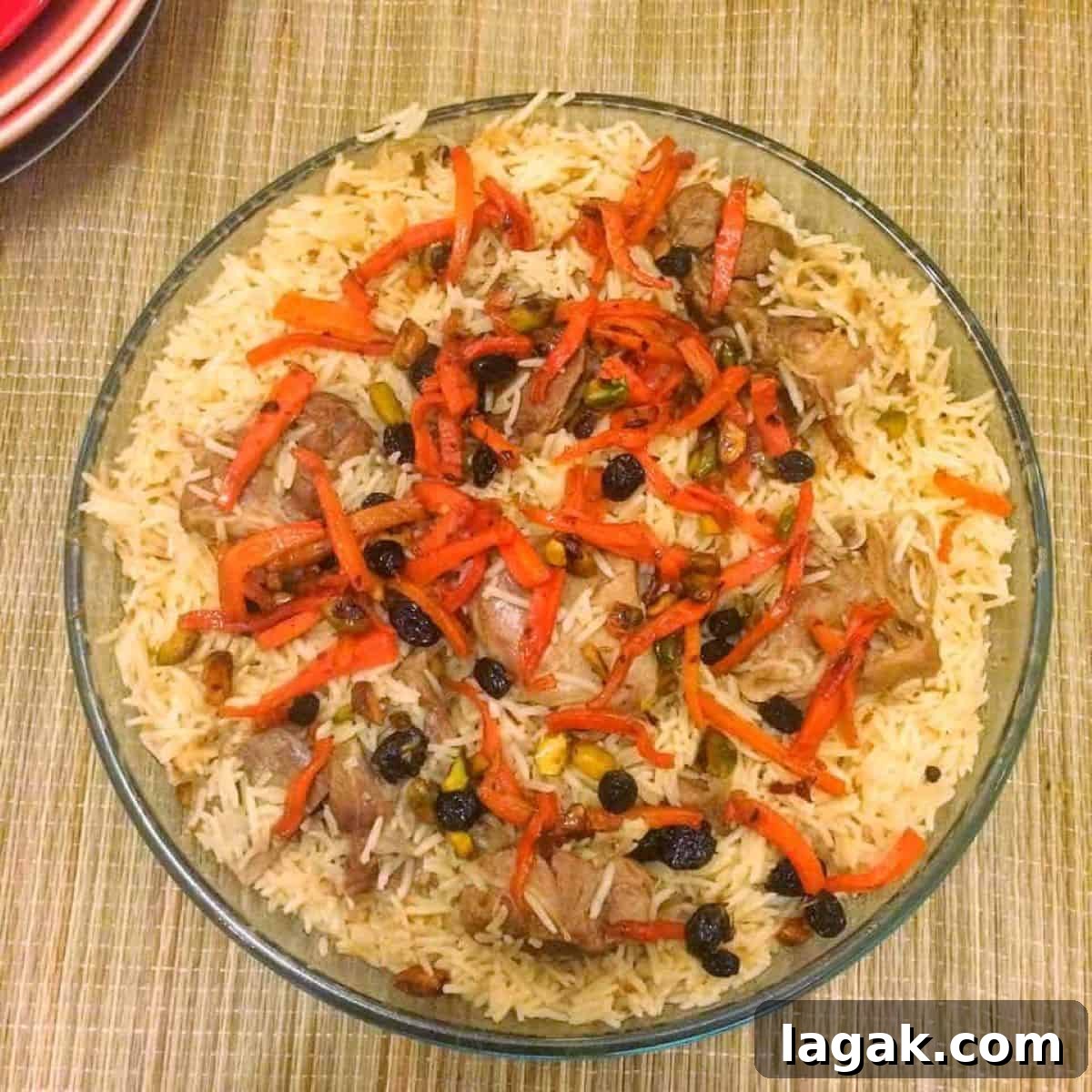
The first time I tasted Kabuli Pilau, also called Afghani Pulao, was during my first year of college at a neighbourhood restaurant with my family. I still remember the platter: lightly browned, fragrant rice dotted with glossy raisins and sweet carrots, laid over generous chunks of tender meat. At first glance I thought, “Well, I’m not eating tonight” — then I tasted it.
Before that evening I was firmly convinced that sweet and savoury shouldn’t mix. That dinner changed my mind.
That night taught me how magical a balanced sweet-and-savoury dish can be. Kabuli Pilau gets it just right: plump, juicy raisins and softened carrots enhance the rich savouriness of the meat and the gentle, aromatic flavours of the spiced rice. When every element is in harmony the result is irresistible.
I was hooked for life.
After that meal I stopped craving burgers and chips when dining out. I started seeking Afghani restaurants so I could enjoy that sweet-and-savoury flavour combo again. Eventually I tried making it myself, refining the method over many attempts until I developed a reliable recipe I’m happy to share.
Today this dish is a firm favourite at home. It’s my go-to for dawat-style dinners, Eid celebrations and other special occasions. I’ve prepared it for intimate gatherings and large groups — it consistently delivers. This recipe feels reassuring to me because I know it will work when I need it to.
There are a few essentials to a great Kabuli Pilau, and it took time to learn them. I’m not Afghanistani and I don’t claim to represent an authentic, traditional technique; instead I learned from friends, online research and many restaurant meals. From that learning process I settled on the elements below that create a reliably delicious result.
Here is what I have concluded make a darned good Kabuli Pilau:
- The meat should be mutton, cut into large meaty chunks. Cook it until tender and easily pierced — just shy of falling completely off the bone.
- The stock (yakhni) should be mellow and aromatic, not overly spiced or intensely hot. Aim for depth without heat.
- Raisins and carrots should be tender: raisins plump and juicy, carrots cooked through with no rawness.
- Use sela (parboiled) basmati rice if you can; it’s traditional and enhances texture and flavour. Regular basmati works too, but sela gives a better result.
- Always serve Kabuli Pilau with a fresh salad to cut through the richness.
Those are my essentials for what I fondly call “the rice from heaven.” This is a recipe my family requests often, and I appreciate it even more because it was hard-won — many imperfect trials led to the version I rely on today.
Disclaimer: My method is not the authoritative traditional technique for Kabuli Pilau/Afghani Pulao. I adapted familiar methods from my own yakhni and pilau recipes to recreate the flavours I love while keeping the process approachable. This recipe aims to deliver the classic restaurant-style flavours in a simpler way, not to claim a single “correct” preparation. ❤️
Enjoy, with love x
📋 Recipe
Aghani Kabuli Pulao (Easy Recipe)
Print
Rate
Ingredients
For the stock (yakhni)
- 1.7 lb (750 g) mutton bone in
- 8 cloves garlic
- 1 black cardamom pod
- 8 green cardamom pods
- 1 tablespoon coriander seeds
- 1 tablespoon whole black pepper corns
- 1 tablespoon cumin seeds
- 5 cloves
- 2 bay leaves
- 1 large cinnamon stick
- 2 tablespoon salt or to taste
For the rice
- 4-5 tablespoon (60 ml) oil
- 2 (300 g) medium onions sliced
- 3 cups (600 g) basmati rice ideally sela
- 1 tablespoon cumin seeds
- 4 cups/1l water (IMPORTANT: please read notes if you are changing the serving size)
For the carrot topping
- 2 (120 g) medium sized carrots julienne cut
- 1 large handful raisins or sultanas
- 1 large handful nuts lightly crushed (I used pistachios)
- 2 tablespoon (25 g) sugar
- 4 tablespoon (60 ml) oil for frying
Instructions
-
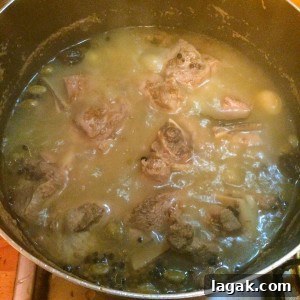
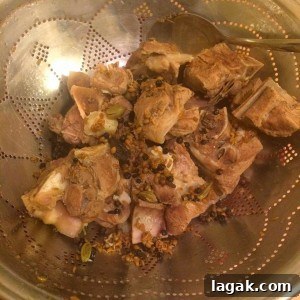
Combine all ingredients for the yakhni in a pot and add enough water to cover the meat. Bring to a boil, then reduce heat, cover and simmer for 1½–2 hours until the meat is tender but not falling off the bone. Check after 1½ hours to judge doneness.

-
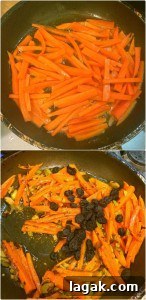
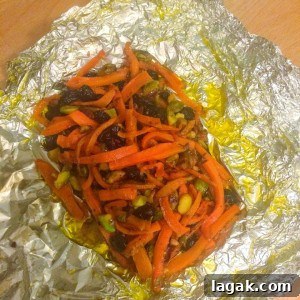
While the meat cooks, heat 3–4 tbsp oil in a pan and sauté the julienned carrots on medium heat for about 5 minutes until tender. Add the raisins and cook another 5 minutes until they swell. Stir in 2 tbsp sugar and the crushed nuts, cook for a minute more, then remove from heat.
-
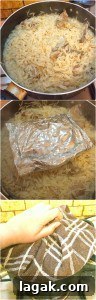
Transfer the carrot mixture, including its oil, onto a piece of aluminium foil. Fold the foil tightly into a parcel and set aside.
-
When the mutton is done, strain the stock through a colander and discard the whole spices. Reserve the clear stock for cooking the rice.
-
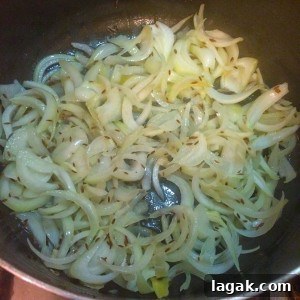
In a heavy-based pot heat 4–5 tbsp oil and add the thinly sliced onions. Sauté on medium-high until lightly browned; the darker you go, the deeper the rice colour will be. Add cumin seeds when the onions are just about at your desired colour so they fry for 1–2 minutes.
-
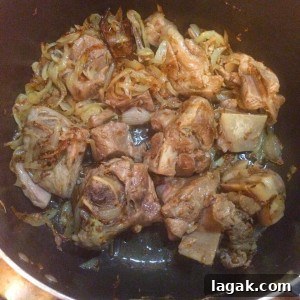
Add the cooked mutton to the pot and sauté for 5–8 minutes to develop flavour.
-
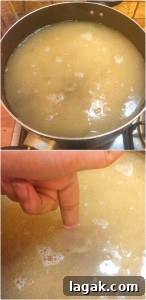
Pour in the reserved yakhni. If there isn’t enough stock to cover the rice, top up with water. Bring to a boil.
-
Add the basmati rice to the pot.
-
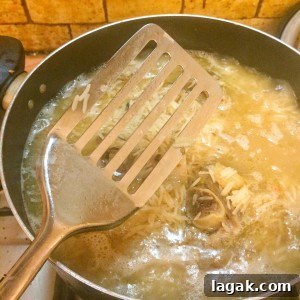
Cook on high heat until the stock comes to a rapid boil and begins to reduce. Continue until very little liquid remains. Stir once or twice gently with a flat spoon, taking care not to break the rice grains.
-
Reduce the heat to the lowest setting, place the foil parcel with the carrot mixture on top of the rice, then cover the pot with a lid wrapped in a tea towel to seal in steam. Let it steam for 10–15 minutes.
-
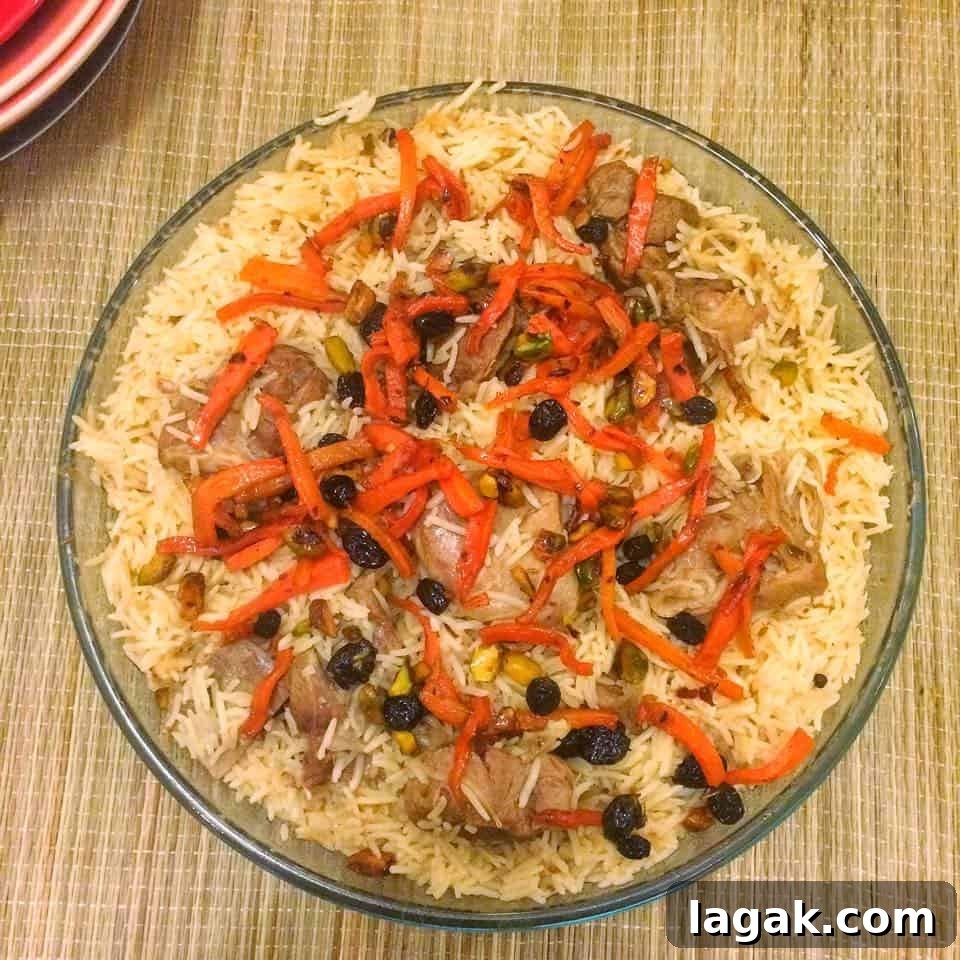
To serve, transfer the rice to a large platter and scatter the raisins, nuts and carrots from the foil parcel over the top. Serve immediately with a fresh salad.
Notes
📩 Want me to email this recipe to you?
Enter your email and I’ll send it right over. Plus, you’ll receive Pakistani food goodness like new recipe alerts and exclusive email-only recipes.