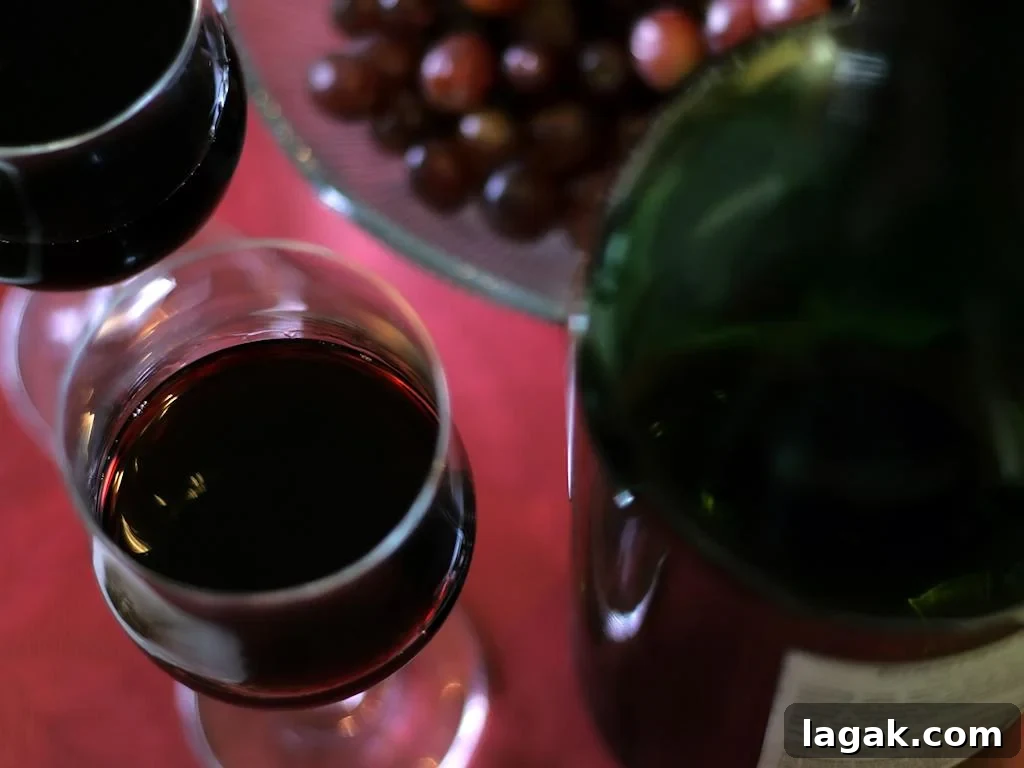
Wine still carries a lot of cultural baggage. By that I mean many people treat it with a degree of snobbishness that puts others off exploring and expanding their tastes. With so much selection now available in supermarkets and specialist shops, choosing a bottle can feel intimidating. Should you buy the most expensive bottle? Choose the one with the traditional label and assume it’s better? These questions are common when deciding what wine to buy.
I remember trying wine for the first time at university: a cheap bottle of red that was barely drinkable. As a poor student, the alcohol was more important than the flavour. That experience can be enough to put someone off wine for life. Things have changed a lot in the past two decades. Quality has improved across the board, with many New World producers innovating in grape growing, winemaking and marketing. Cheap wine no longer automatically means bad wine—look at the popularity of inexpensive labels to see how value can coexist with quality. With a little knowledge about what you enjoy in wine, you can find excellent, everyday bottles in the $10–$15 (£7–£10) range.
One of the most off-putting habits among wine snobs is the tendency to use poetic descriptions—“this Chardonnay tastes like a newly cut lawn,” for example. Phrases like that, and labels such as “foodie,” can be alienating. People just starting out may not yet have developed their scent and taste vocabulary, and individual genetics means we all perceive aromas differently. Taste and smell are highly subjective senses, and it takes time to learn the language used to describe them.
If you’ve been kept from trying new wines because of intimidating talk, learning the basic vocabulary of wine aromas and flavours can help. With that vocabulary, you’ll be more confident stepping outside your comfort zone and discovering wines you genuinely enjoy.
How to begin. When you first learn about wine, forget about countries, regions, grape names, wineries, châteaux, vintages, terroir and the rest of the shorthand that often overwhelms beginners. Learning to enjoy wine starts with understanding aromas and flavours and discovering which qualities you personally prefer. Once you can describe what you like, selecting wine—even blind—becomes much easier and more successful.
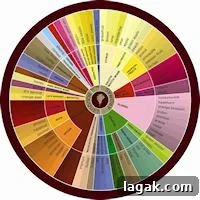
Wine Aroma Wheel
We can only taste five basic tastes—sweet, sour, bitter, salty and umami—so a practical tool for beginners is the Wine Aroma Wheel. Many versions are available to view or download, and they help you map general impressions to more specific notes as you explore a wine’s nose.
Note: serve wine at an appropriate temperature. Generally, white wines are chilled and red wines are served closer to room temperature, though there are exceptions.
How to learn about tasting wine
- Use a large-mouthed wine glass and pour a small amount.
- Swirl the wine gently to release its aromas.
- Place your nose into the glass and inhale deeply.
- Consult the centre of the Wine Aroma Wheel and pick out an aroma you can detect.
- Take another sniff and move outward on the wheel to narrow down the scent.
- Note whether you like that aroma.
- Taste the wine and see if the flavour matches or contrasts with the aroma. To enhance perception inside your mouth, draw a little air through your teeth. After you swallow or spit, notice any additional aromas that appear.
- If you’re tasting many wines without food, you may choose to spit to avoid intoxication, but rinsing your glass and mouth with water between samples is a sensible alternative.
Don’t worry about identifying every aroma in a wine. It takes practice, and that’s part of the pleasure. If you concentrate too long on a single wine, your nose will become desensitized and you’ll miss subtleties.
As your vocabulary grows, you’ll more easily recognise features in wines you enjoy. For example, you might realise you dislike oak-derived vanilla in some Chardonnays but appreciate the peppery notes in a Shiraz. Everyone’s nose is different; with time and practice you’ll learn the words that best describe what you smell and taste.