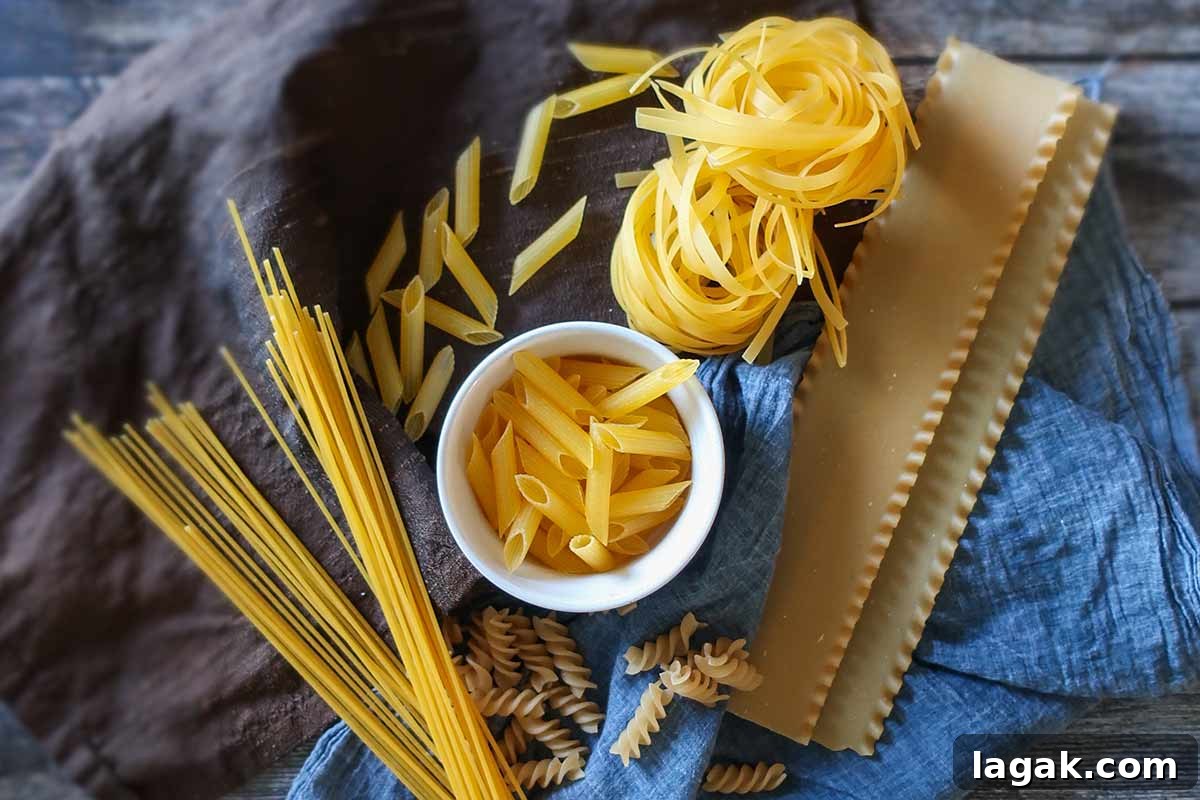
Cooking gluten-free pasta can feel unfamiliar if you’re used to traditional wheat pasta, but with a few adjustments it’s simple to get great results. This guide explains the best types of gluten-free pasta, where to buy them, practical cooking tips, common mistakes to avoid, storage advice, and a note on nutrition — all to help you cook gluten-free pasta that tastes and feels right.
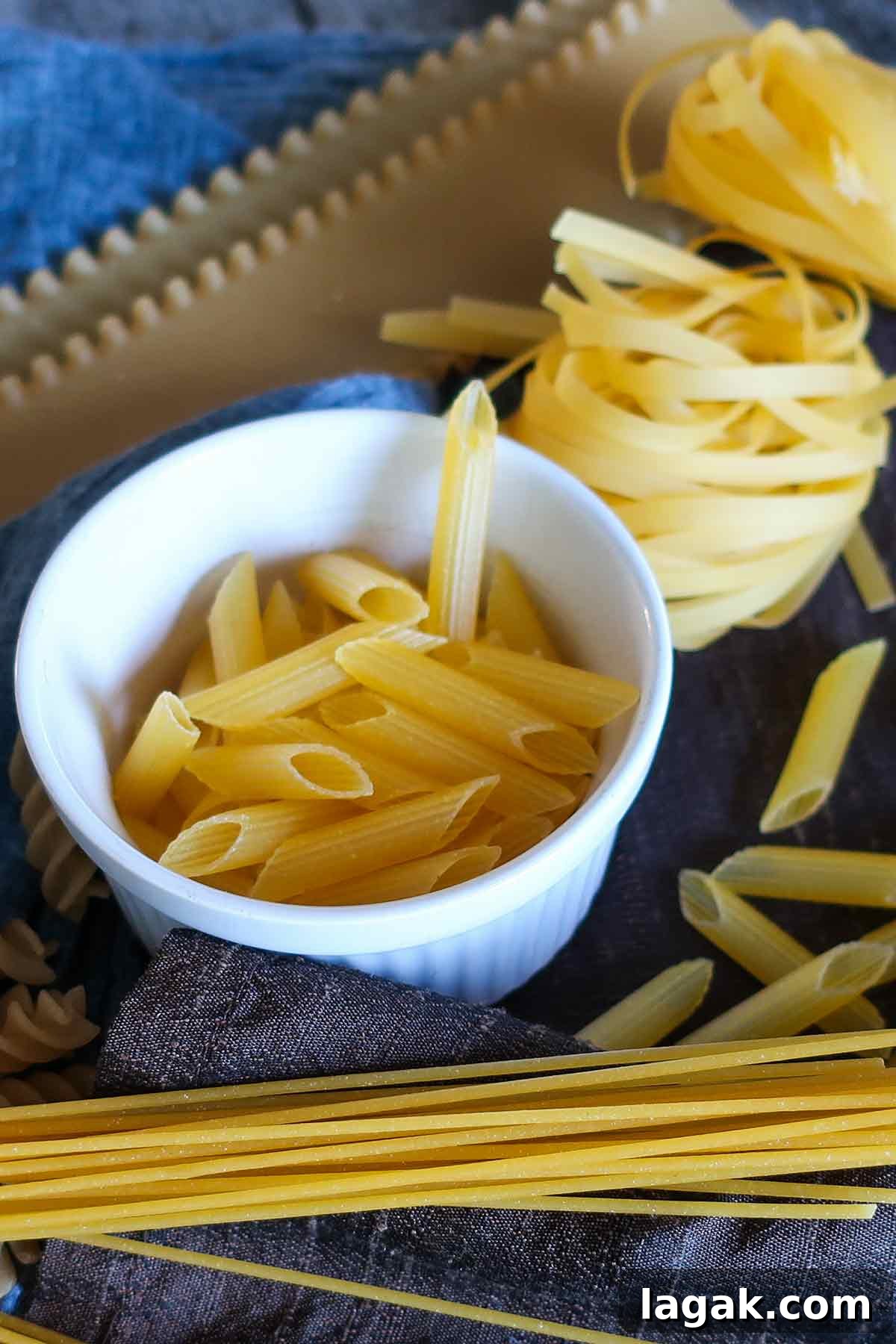
My Top Gluten-Free Pasta Picks
Not all gluten-free pastas behave the same in the pot. These five options consistently deliver good texture and flavor:
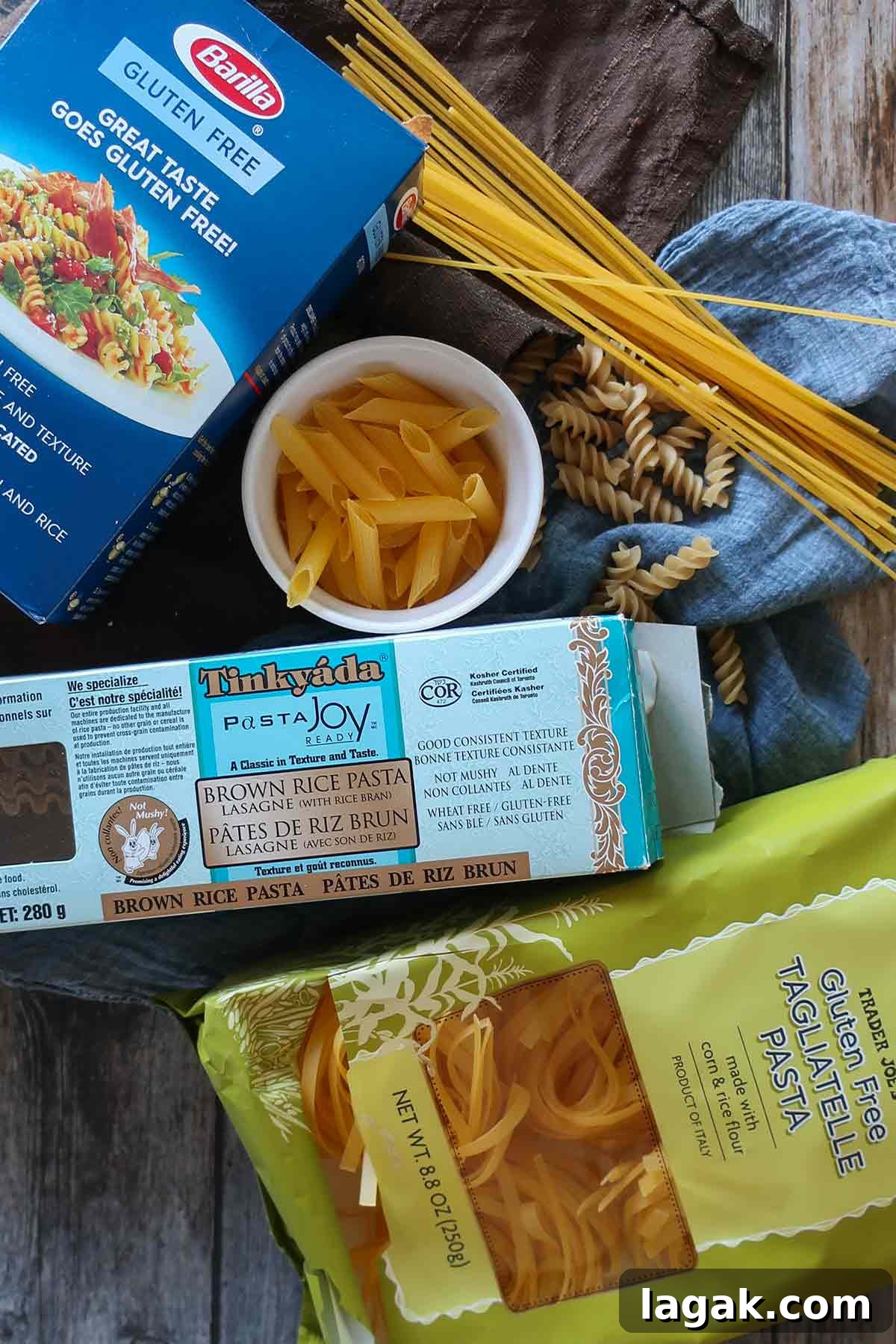
- Barilla Gluten-Free Pasta: A widely available corn-and-rice blend that mimics traditional pasta texture.
- Banza Chickpea Pasta: Made from chickpeas; higher in protein and fiber for a more filling dish.
- Jovial Gluten-Free Pasta: Organic brown rice pasta known for authentic taste and a pleasing bite.
- Tinkyada Brown Rice Pasta: Strong cooking performance and good texture retention.
- Ancient Harvest Gluten-Free Pasta: A blend of quinoa and corn offering extra protein and a firm bite.
What Makes Italian Gluten-Free Pasta Stand Out?
Italian gluten-free pasta often stands out because of attention to traditional pasta-making methods and high-quality ingredients. Brands such as Jovial, Garofalo, Rummo, and Le Veneziane emphasize texture and flavor that come close to wheat pasta, thanks to ingredient selection and production techniques aimed at preserving structure and bite.
Where to Shop for Gluten-Free Pasta: Online and In-Store
You can find high-quality gluten-free pasta both online and in many grocery stores. Online retailers and specialty marketplaces carry wide selections, and many supermarkets and natural-food stores stock several trusted brands. Many pasta brands also sell directly through their own websites.
5 Tips for Cooking Gluten-Free Pasta Perfectly Every Time
Follow these practical tips to avoid common issues and get a satisfying result:
- Use plenty of water: Gluten-free pasta releases more starch than wheat pasta. Use 4–6 quarts of water per pound of pasta to reduce clumping.
- Be generous with salt: Salt boosts flavor and helps the pasta maintain a good texture. Aim for 1–2 tablespoons per 4–6 quarts of water.
- Add salt before the pasta: Salting the boiling water before adding pasta helps distribute seasoning evenly.
- Stir frequently: Gentle, frequent stirring during the first few minutes prevents strands or shapes from sticking together.
- Don’t overcook: Many gluten-free pastas cook faster than wheat varieties. Start testing for doneness 3–5 minutes before the package time; aim for al dente — firm to the bite, not mushy.
- Rinse briefly with cold water if needed: For some preparations, rinsing right after draining can stop cooking and wash away excess starch. Use this intentionally, as rinsing also removes surface starch that helps sauces cling.
Tools That Help
A few basic tools make cooking easier: a large pot to ensure abundant boiling water, a pasta spoon or tongs for gentle stirring and serving, a reliable timer to avoid overcooking, and a strainer or colander for easy draining. A measuring tool for portions can also be handy for spaghetti and other long shapes.
3 Most Common Mistakes to Avoid
Avoid these pitfalls for better outcomes:
- Not using enough water — leads to sticky, clumped pasta.
- Overcooking — gluten-free varieties can go from al dente to mushy quickly.
- Under-salting the water — insufficient seasoning dulls flavor and can affect texture when using pasta water in sauces.
Storing Leftovers
Store leftover gluten-free pasta in an airtight container in the refrigerator and use within a couple of days. When reheating, add a splash of olive oil, butter, or water to restore moisture. Some gluten-free pastas lose firmness after refrigeration, so freshly cooked is often best.
Can Gluten-Free Pasta Be Frozen?
Freezing gluten-free pasta is possible but can affect texture. Dishes where pasta is baked into a sauce, such as lasagna, generally freeze better than plain cooked pasta. To reduce texture loss when freezing, slightly undercook the pasta before freezing and pack it tightly in airtight containers or freezer bags to minimize freezer burn. Still, for the best texture, refrigerate and eat within a few days when possible.
Is Gluten-Free Pasta Nutritious?
Nutritional value depends on the ingredients. Pasta made from legumes, quinoa, or buckwheat generally offers more protein, fiber, and micronutrients than refined rice or corn-based pastas. Legume-based pastas can help you feel fuller longer and contribute meaningful protein and fiber to a meal.
Considerations
- Some gluten-free pastas made from refined flours may lack nutrients found in enriched wheat pasta, such as certain B vitamins and iron.
- Check labels for added nutrients and for potential allergens like soy, eggs, or dairy if you have other sensitivities.
- For a balanced diet, pair gluten-free pasta with vegetables, lean proteins, and healthy fats to round out nutrition.
Recipe Ideas
If you’re looking for dish inspiration, many recipes adapt well to gluten-free pasta, from quick vegetable-based sautés to one-pot chicken dishes and baked pasta casseroles. Choose recipes that complement the pasta shape and ingredient profile — for example, legume-based pastas work well with robust sauces, while rice-based pastas pair nicely with lighter dressings and vegetables.
Final Thoughts
When cooked with attention to water, salt, and timing, gluten-free pasta can be delicious and satisfying. Choose a brand that matches your nutritional and texture preferences, use the right technique in the pot, and enjoy pasta dishes fresh whenever possible for the best experience. Happy cooking!